About Fig
Fig is a food discovery app that helps you find foods and recipes that fit your dietary needs. Whether you have food allergies, intolerances, or follow a specific diet, Fig makes it easy to eat with confidence.
Learn more →4 servings
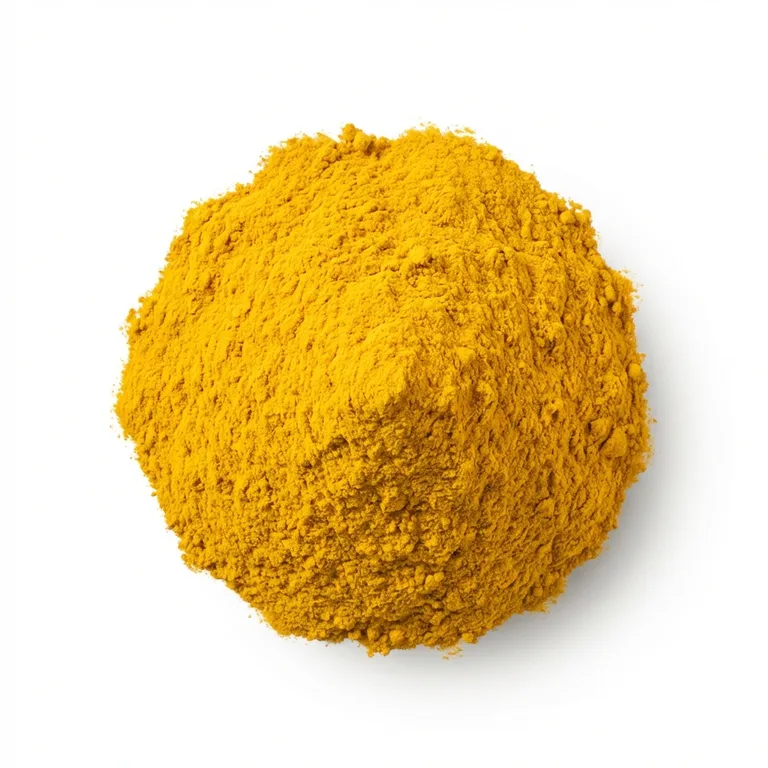
Turmeric can trigger interstitial cystitis symptoms in some people, but counting all uses, this recipe has about 3/8 teaspoon per serving and is likely tolerated by many. If you prefer to always avoid turmeric, please tap it and change its rating to Red.
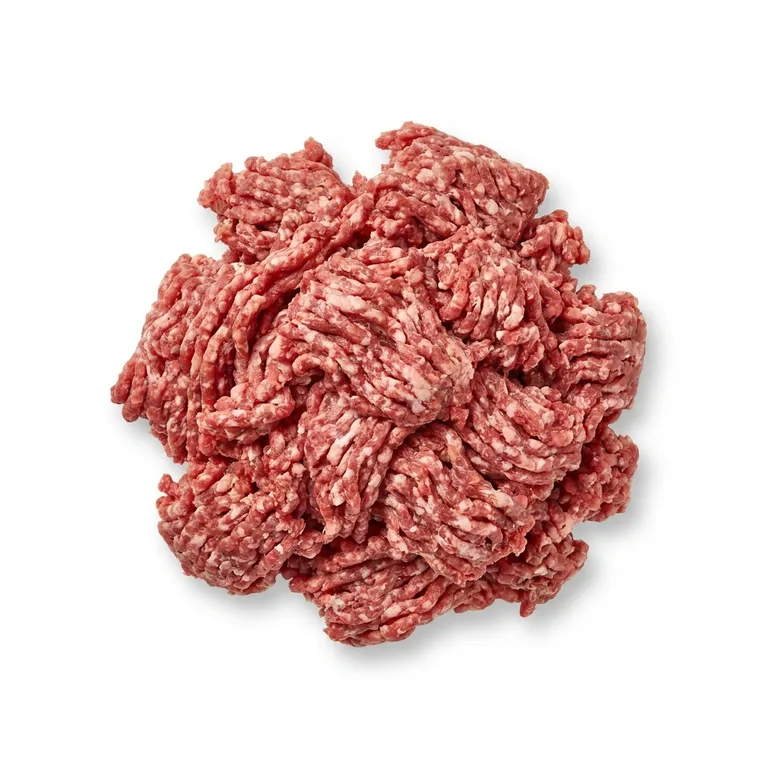
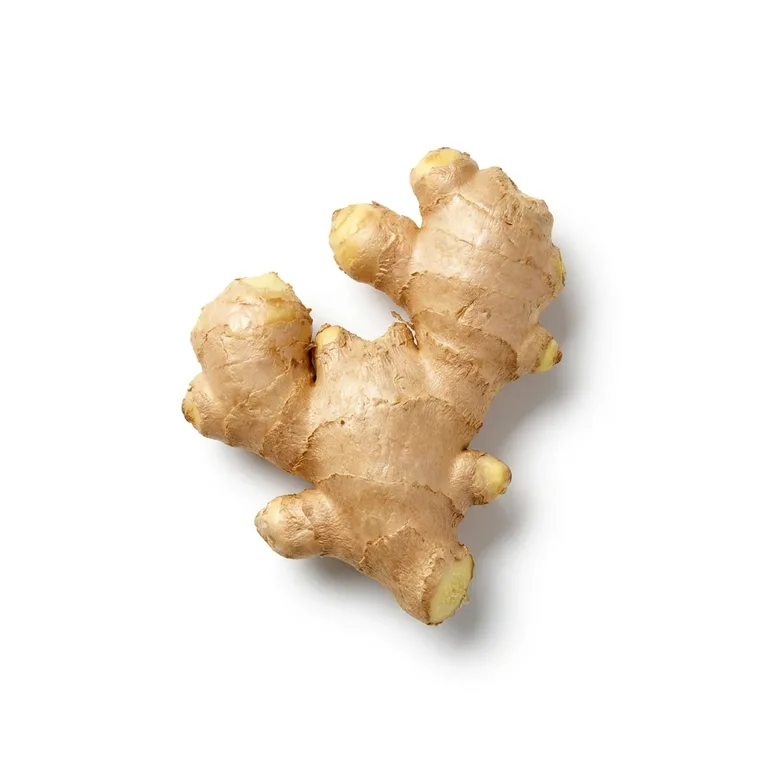
Interstitial cystitis treats warming spices like ginger as test-your-tolerance because they can irritate a sensitive bladder, but the small amount in this recipe (~3/4 tsp per serving) is likely tolerated by many. If you prefer to always avoid fresh ginger, please tap it and change its rating to Red.
Turmeric can trigger interstitial cystitis symptoms in some people, but counting all uses, this recipe has about 3/8 teaspoon per serving and is likely tolerated by many. If you prefer to always avoid turmeric, please tap it and change its rating to Red.
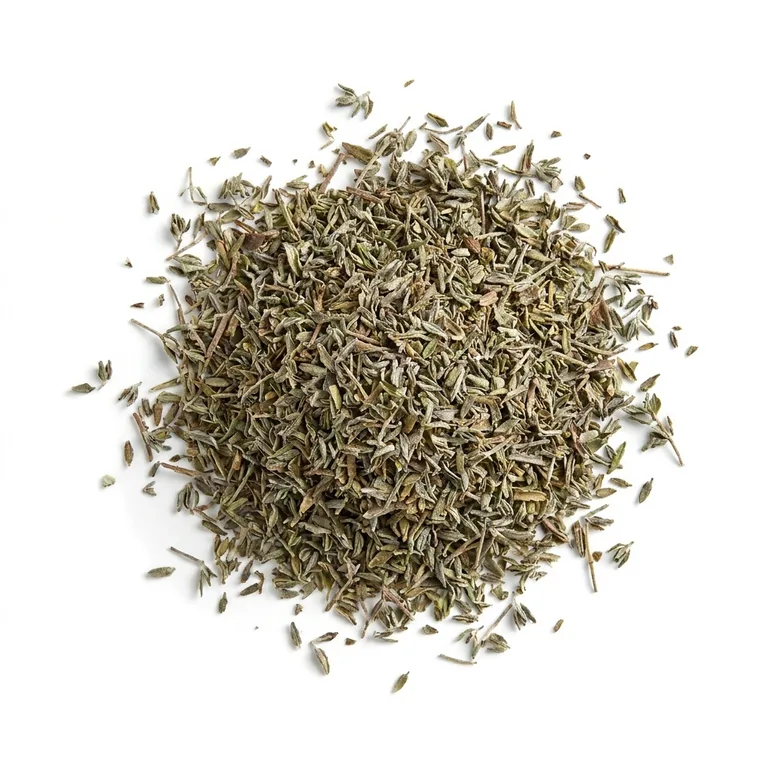
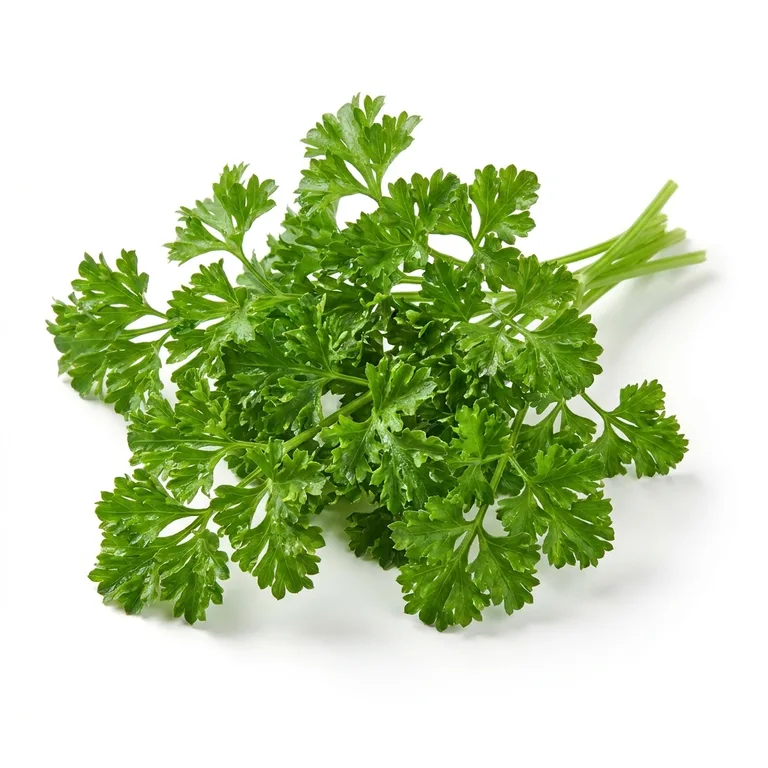
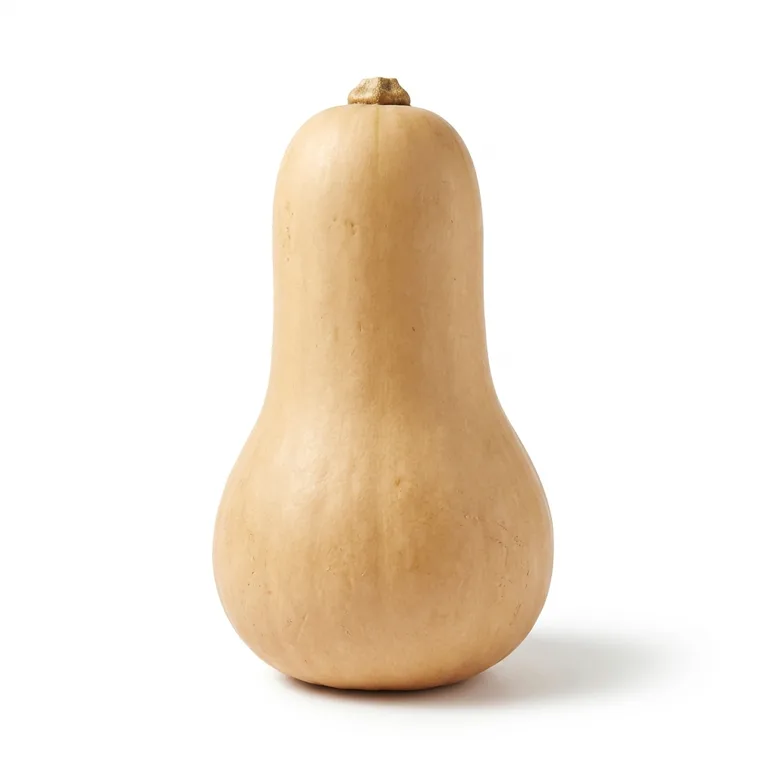
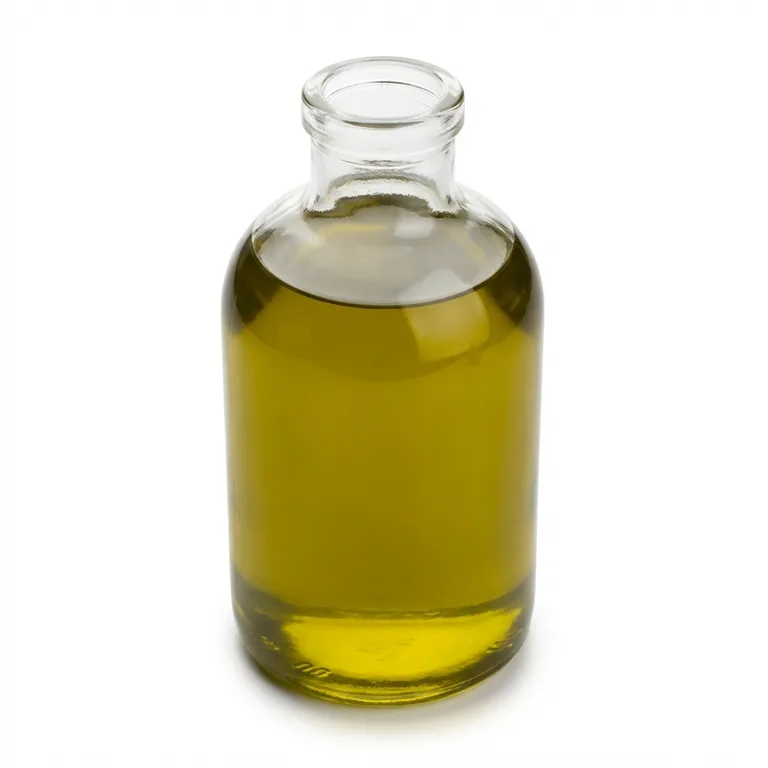
Preheat the oven to 425°F (220°C). Spread the butternut squash cubes in a single layer on a large baking sheet. Drizzle with 2 tbsp olive oil, sprinkle with 1/2 tsp turmeric and 1/2 tsp salt, and toss to coat evenly.
Roast the squash for 25–30 minutes, flipping once halfway through, until the cubes are tender when pierced with a fork and the cut edges are golden and caramelized.
Create a Fig account for step-by-step instructions, access to our full recipe library, and more!


 (16k)
(16k)