
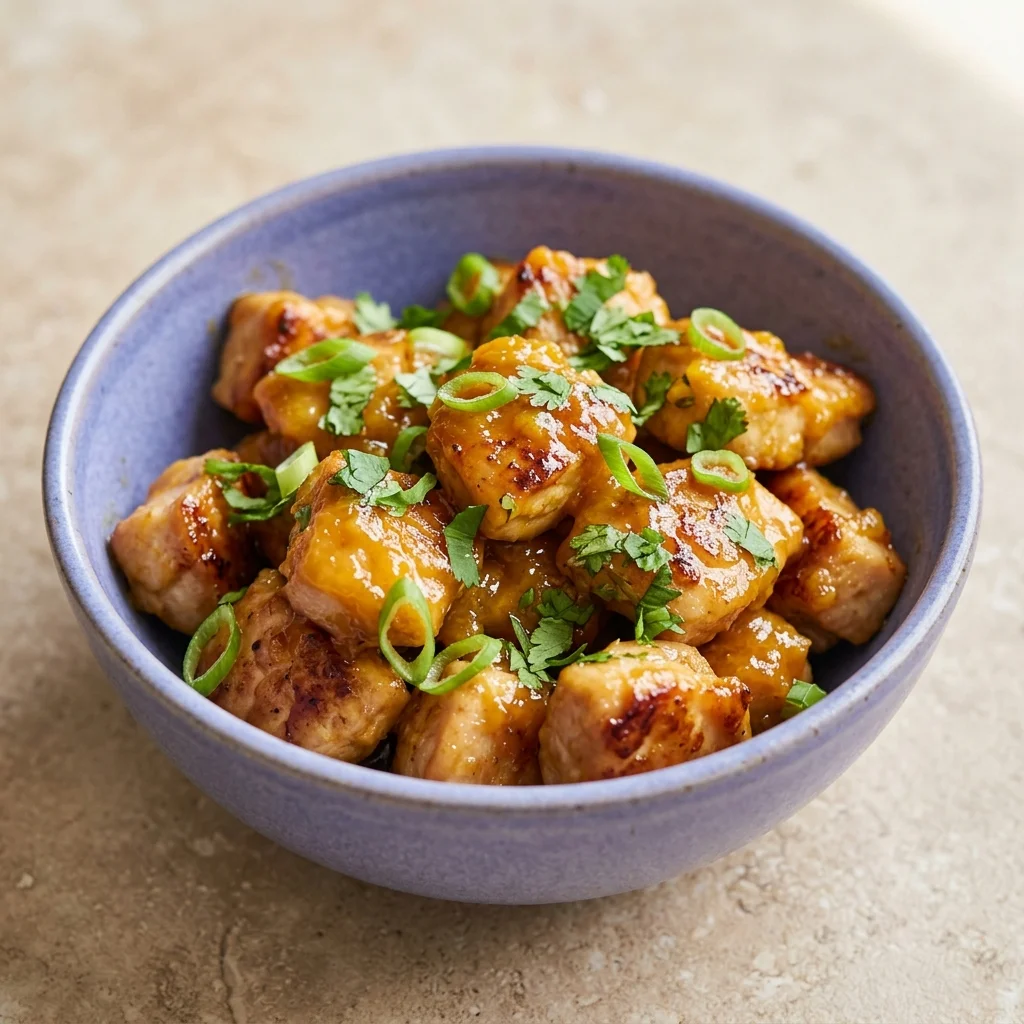
Interstitial Cystitis Friendly Ginger-Scallion Mango Chicken Bites
 About Fig
Fig is a food discovery app that helps you find foods and recipes that fit your dietary needs. Whether you have food allergies, intolerances, or follow a specific diet, Fig makes it easy to eat with confidence.
Learn more →Ingredients
4 servings
For the chicken
- 1.5 lb boneless, skinless chicken thighs, cut into 1-inch pieces

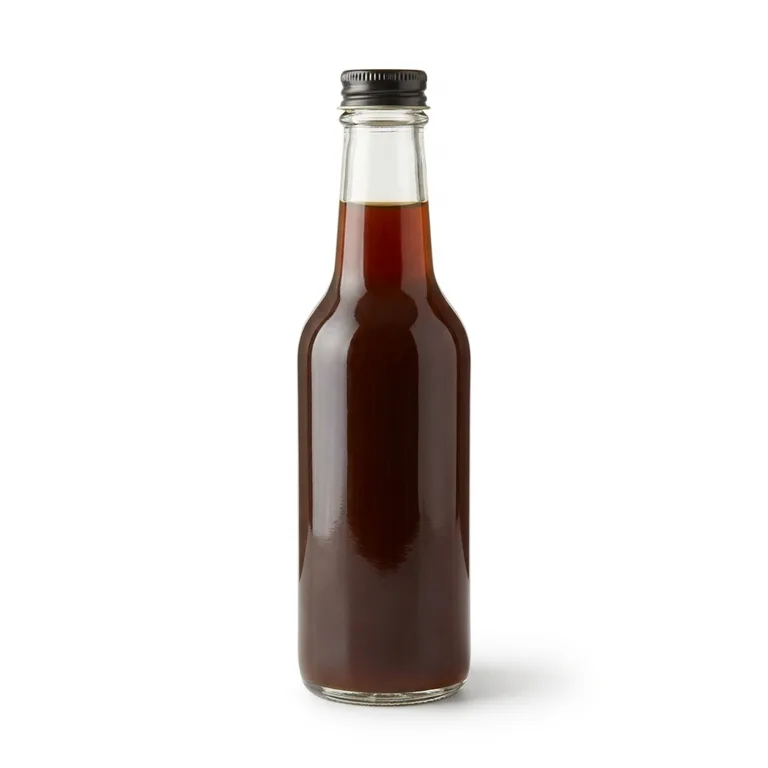
- 3 tbsp coconut aminos
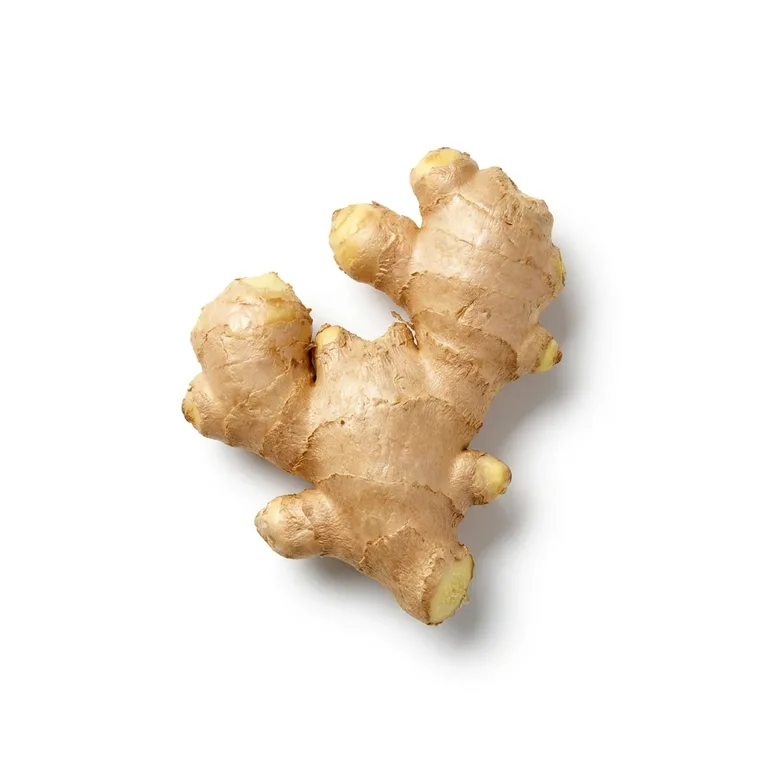
- 1 tbsp fresh ginger, finely grated
 Ingredient notes
Fresh ginger is generally considered bladder-friendly, and the small amount in this recipe (~1/4 tsp per serving) is likely fine for many people with interstitial cystitis. If you prefer to always avoid fresh ginger, please tap it and change its rating to Red.
Interstitial cystitis treats warming spices like ginger as test-your-tolerance because they can irritate a sensitive bladder, but the small amount in this recipe (~3/4 tsp per serving) is likely tolerated by many. If you prefer to always avoid fresh ginger, please tap it and change its rating to Red.
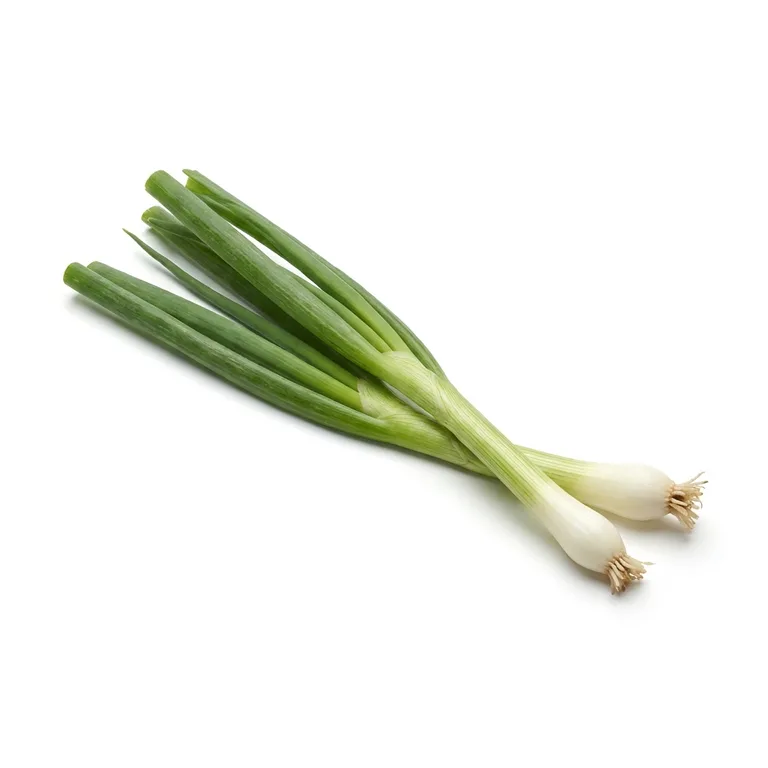
- 3 scallions, thinly sliced, white and green parts separated
 Ingredient note
Interstitial cystitis flags onions and the allium family as common bladder irritants, especially raw, but scallions are milder and are used cooked or in small amounts here, so they are likely tolerated by many with interstitial cystitis. If you prefer to always avoid scallions, please tap it and change its rating to Red.
- ½ tsp fine sea salt
- 1 tbsp arrowroot starch
- 1 tbsp coconut oil
For the mango glaze
- 1 cup fresh or frozen mango, diced (about 1 medium mango)
- 2 tbsp coconut aminos
- 1 tbsp apple cider vinegar
- 1 tsp fresh ginger, finely gratedIngredient notes
Fresh ginger is generally considered bladder-friendly, and the small amount in this recipe (~1/4 tsp per serving) is likely fine for many people with interstitial cystitis. If you prefer to always avoid fresh ginger, please tap it and change its rating to Red.
Interstitial cystitis treats warming spices like ginger as test-your-tolerance because they can irritate a sensitive bladder, but the small amount in this recipe (~3/4 tsp per serving) is likely tolerated by many. If you prefer to always avoid fresh ginger, please tap it and change its rating to Red.
- 1 tsp honey
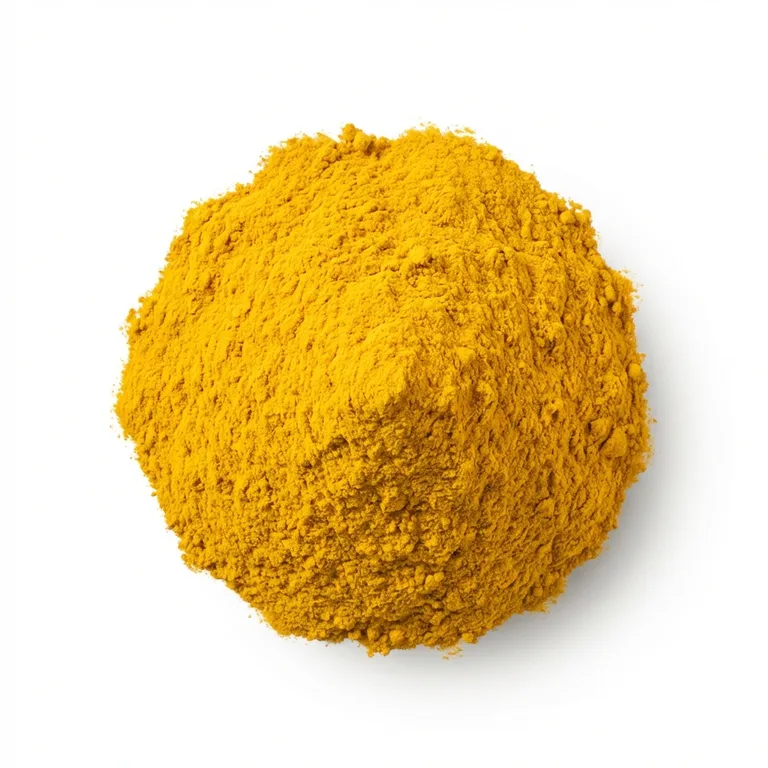
- ¼ tsp ground turmeric
 Ingredient note
Turmeric can trigger interstitial cystitis symptoms in some people, but the small amount in this recipe (~1/16 tsp per serving) is likely tolerated by many. If you prefer to always avoid turmeric, please tap it and change its rating to Red.
For serving
- 2 scallions, thinly sliced (green parts only), for serving (optional)Ingredient note
Interstitial cystitis flags onions and the allium family as common bladder irritants, especially raw, but scallions are milder and are used cooked or in small amounts here, so they are likely tolerated by many with interstitial cystitis. If you prefer to always avoid scallions, please tap it and change its rating to Red.
- 1 tbsp fresh cilantro, roughly chopped, for serving (optional)Can be omitted
fresh cilantro
Instructions
- 1
In a medium bowl, combine the chicken pieces with 3 tbsp coconut aminos, 1 tbsp grated ginger, the white parts of the 3 sliced scallions, and the salt. Toss well, then sprinkle the arrowroot starch over the chicken and toss again until each piece is lightly coated. Cover and refrigerate for 30 minutes.
- 2
While the chicken marinates, make the mango glaze: combine the mango, 2 tbsp coconut aminos, apple cider vinegar, 1 tsp grated ginger, honey, and turmeric in a small saucepan over medium heat. Cook, stirring occasionally, until the mango softens and breaks down, about 6–8 minutes. Use the back of a spoon to mash any remaining chunks into a smooth, thick sauce that coats the spoon. Remove from heat and set aside.
Want the full recipe?
Create a Fig account for step-by-step instructions, access to our full recipe library, and more!