
Interstitial Cystitis Friendly Ginger-Scallion Beef Hash Bowl

 About Fig
Fig is a food discovery app that helps you find foods and recipes that fit your dietary needs. Whether you have food allergies, intolerances, or follow a specific diet, Fig makes it easy to eat with confidence.
Learn more →Ingredients
4 servings
For the hash
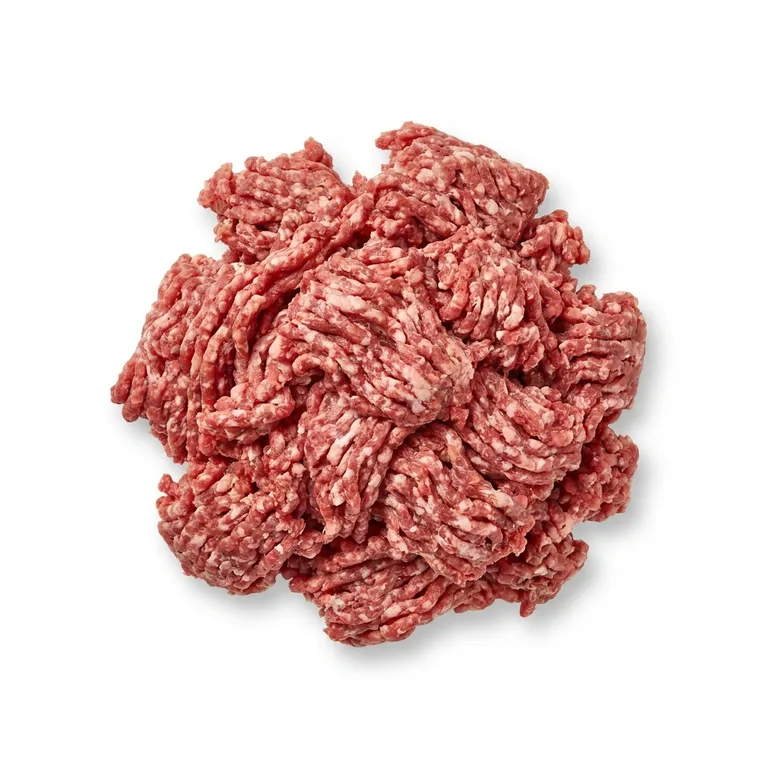
- 1 lb ground beef (80/20)
- 1 lb sweet potato (about 1 large), peeled and cut into ½-inch dice

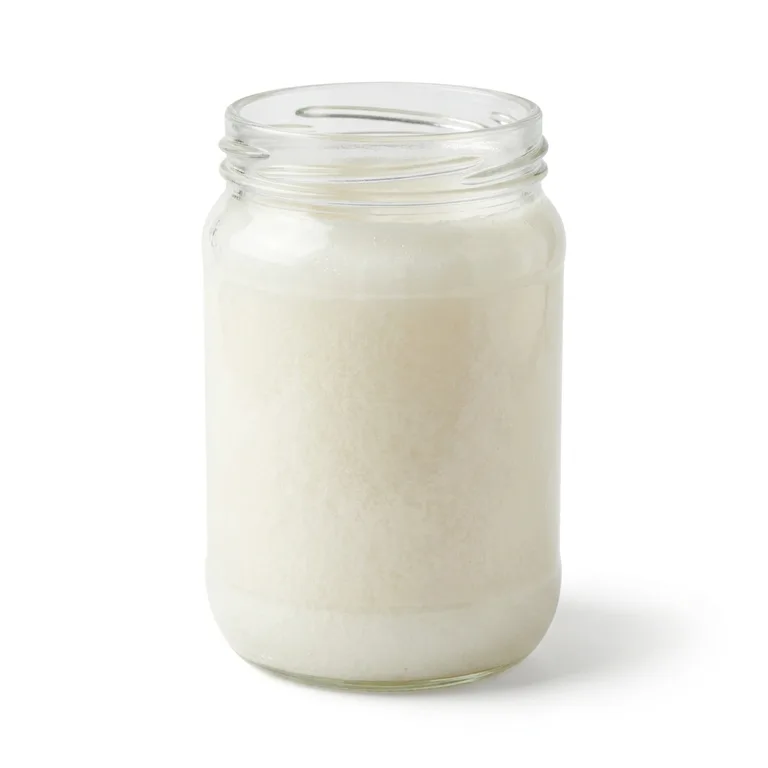
- 3 tbsp coconut oil, divided
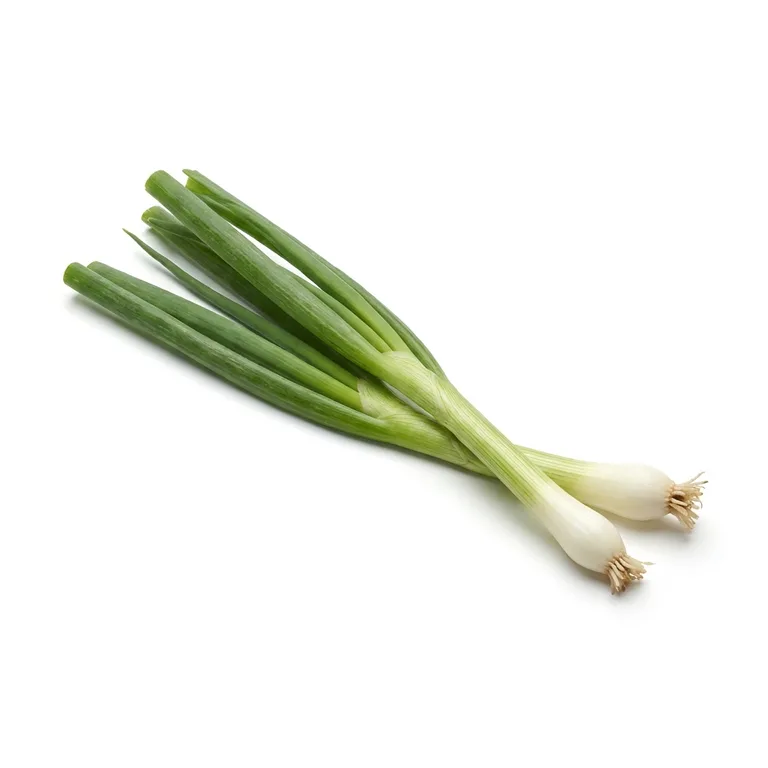
- 4 scallions, white and green parts separated, thinly sliced
 Ingredient note
Interstitial cystitis flags onions and the allium family as common bladder irritants, especially raw, but scallions are milder and are used cooked or in small amounts here, so they are likely tolerated by many with interstitial cystitis. If you prefer to always avoid scallions, please tap it and change its rating to Red.
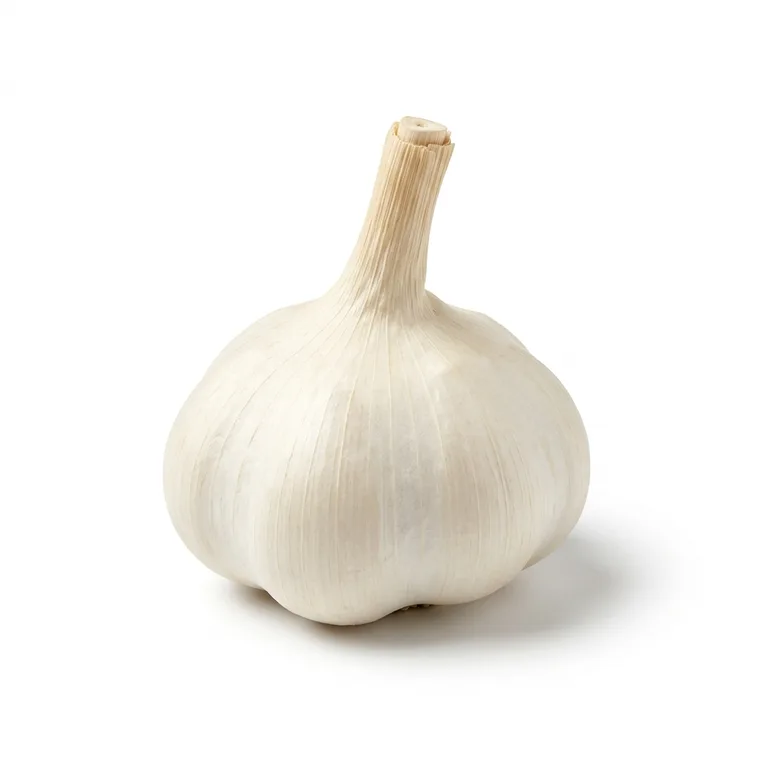
- 4 cloves garlic, minced
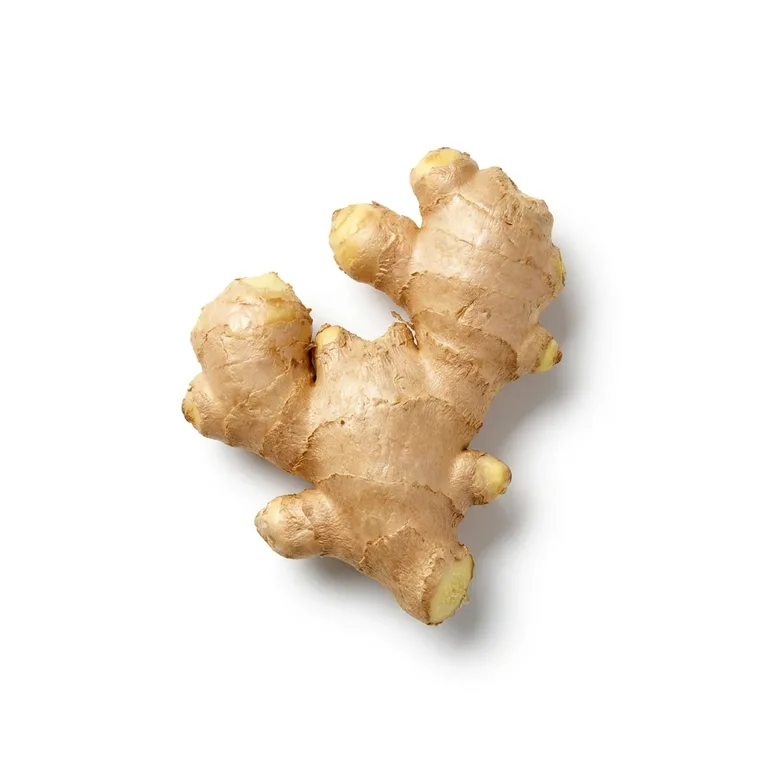
- 1 tbsp fresh ginger, peeled and finely grated
 Ingredient note
Interstitial cystitis treats warming spices like ginger as test-your-tolerance because they can irritate a sensitive bladder, but the small amount in this recipe (~3/4 tsp per serving) is likely tolerated by many. If you prefer to always avoid fresh ginger, please tap it and change its rating to Red.
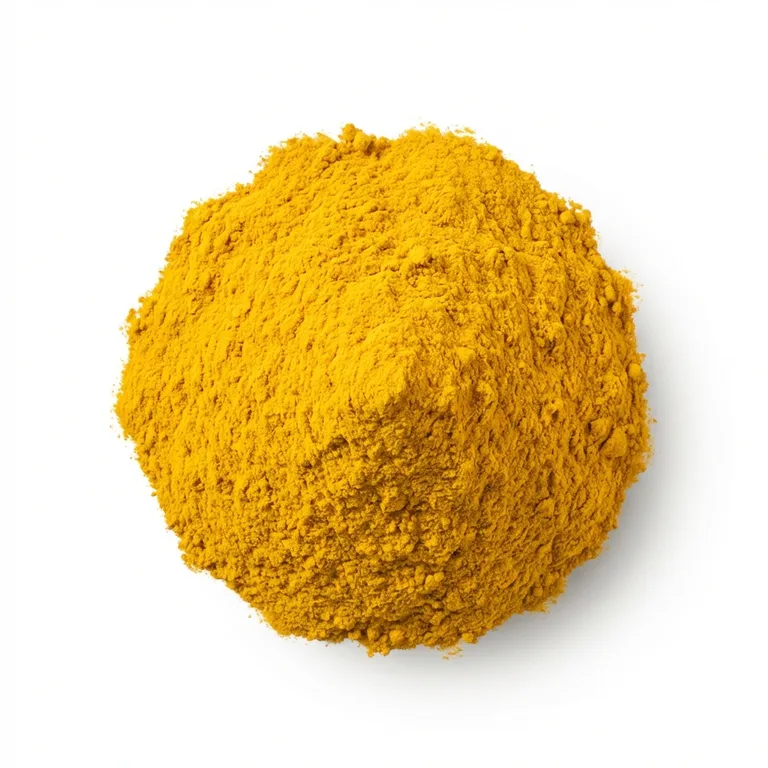
- ½ tsp ground turmeric
 Ingredient note
Turmeric can trigger interstitial cystitis symptoms in some people, but the small amount in this recipe (~1/8 tsp per serving) is likely tolerated by many. If you prefer to always avoid turmeric, please tap it and change its rating to Red.
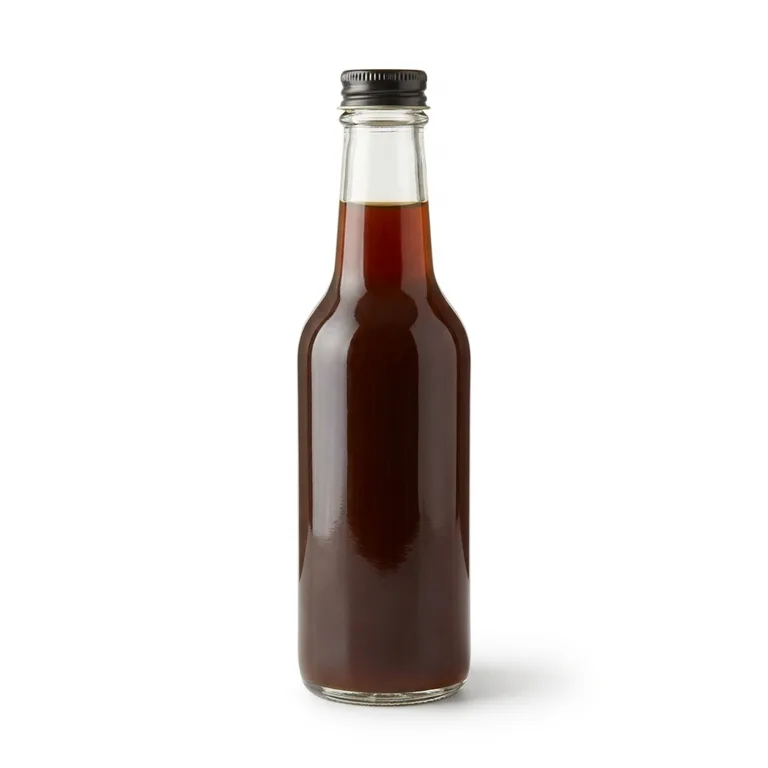
- 3 tbsp coconut aminos
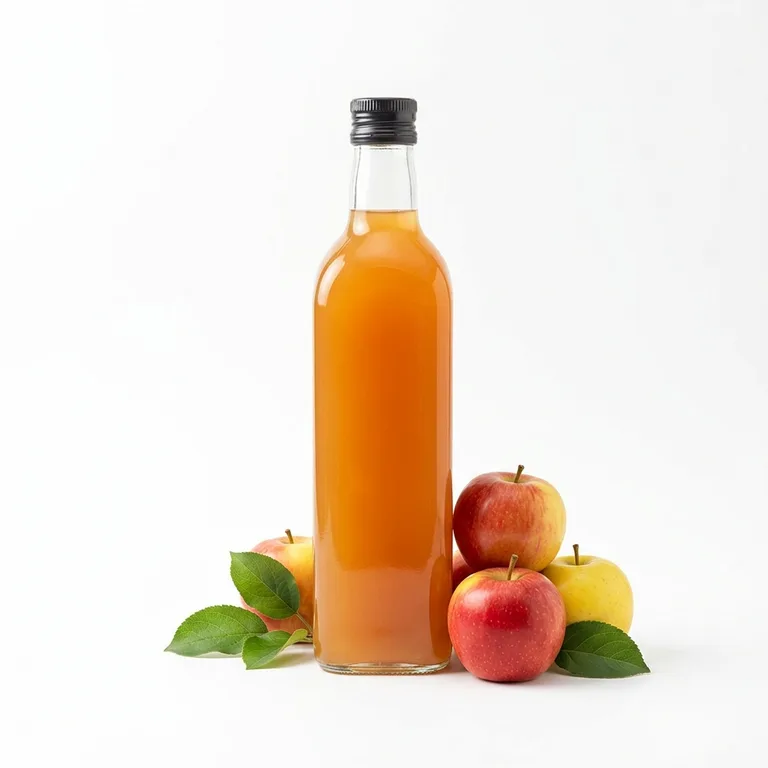
- 1 tbsp apple cider vinegar
- ½ tsp fine sea salt, plus more to taste
For the cauliflower rice
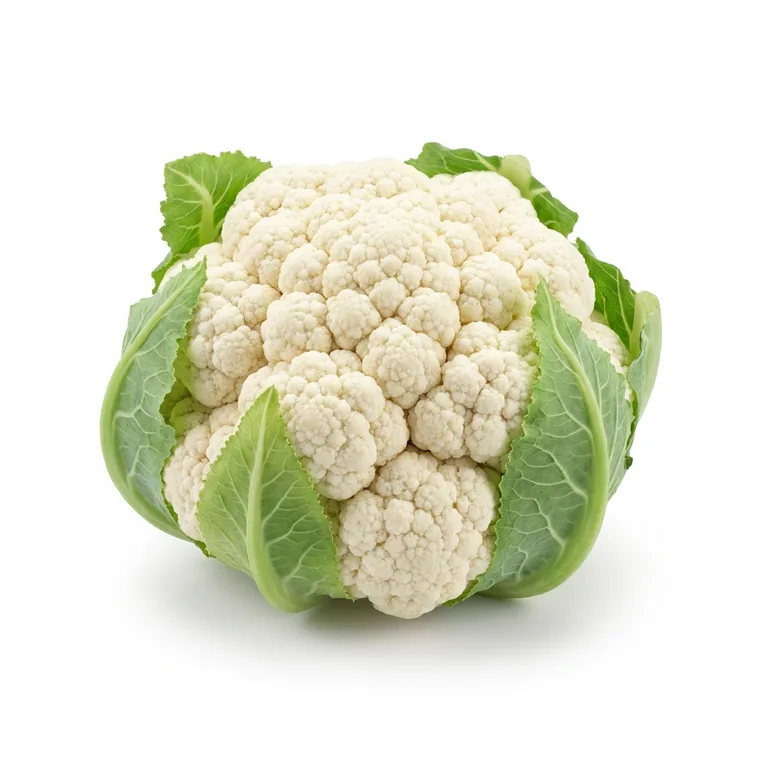
- 1 medium head cauliflower (about 1 ½ lb), cut into florets
- 1 tbsp coconut oil
- ¼ tsp fine sea salt
For serving
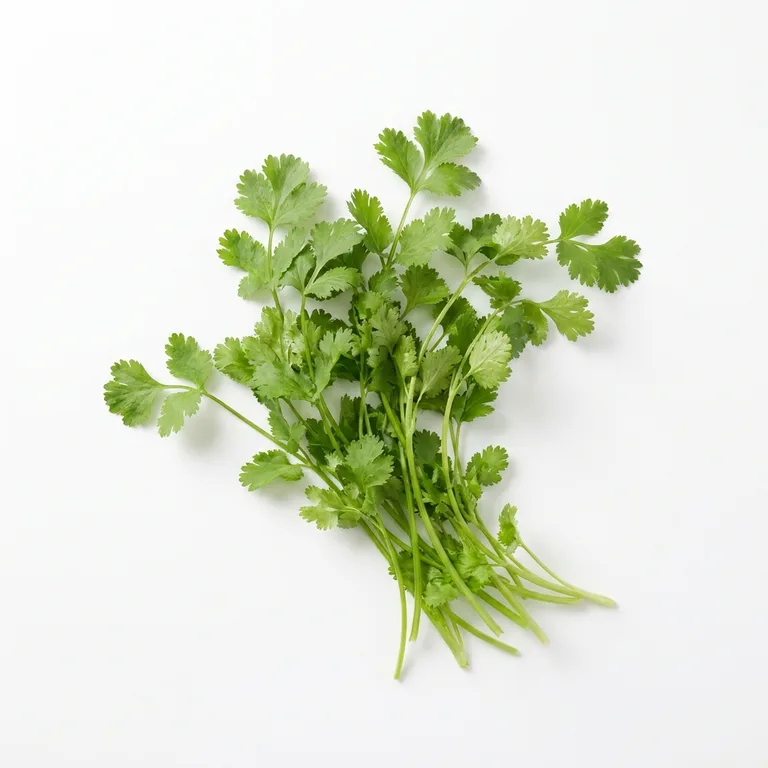
- 2 tbsp fresh cilantro, roughly chopped (optional)
 Can be omitted
fresh cilantro
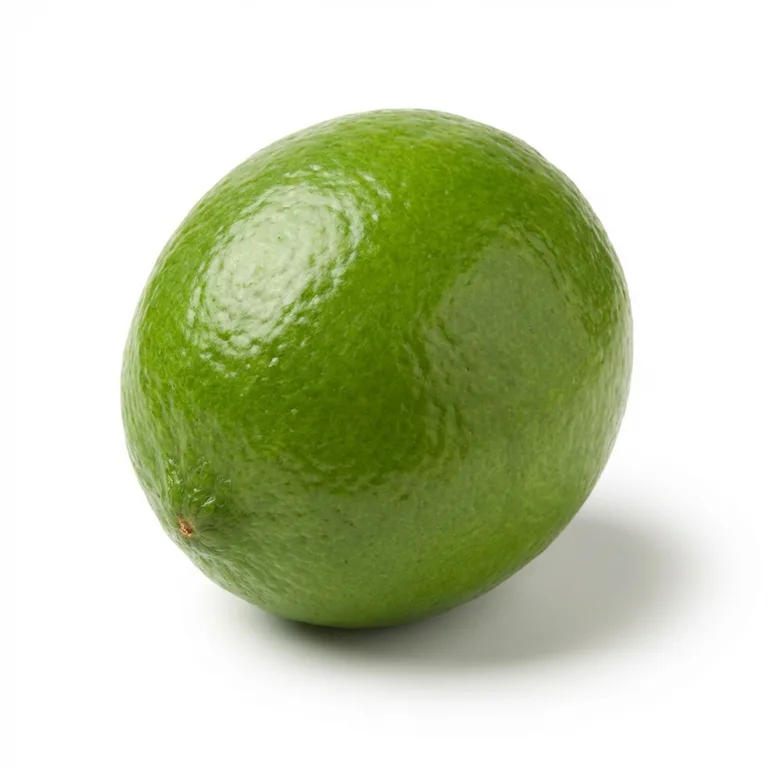
- 1 lime, cut into wedges (optional)
 Can be omitted
lime
Instructions
- 1
Pulse the cauliflower florets in a food processor in two batches until broken down into rice-sized pieces, about 8–10 pulses per batch. Do not over-process — the pieces should resemble coarse grains, not a paste.
- 2
Heat 1 tbsp coconut oil in a large saucepan or second skillet over medium-high heat until shimmering. Add the riced cauliflower and ¼ tsp salt, spread into an even layer, and cook undisturbed for 2 minutes, then stir and cook for another 3–4 minutes until the cauliflower is just tender and any excess moisture has evaporated. Remove from heat, cover to keep warm, and set aside.
Want the full recipe?
Create a Fig account for step-by-step instructions, access to our full recipe library, and more!