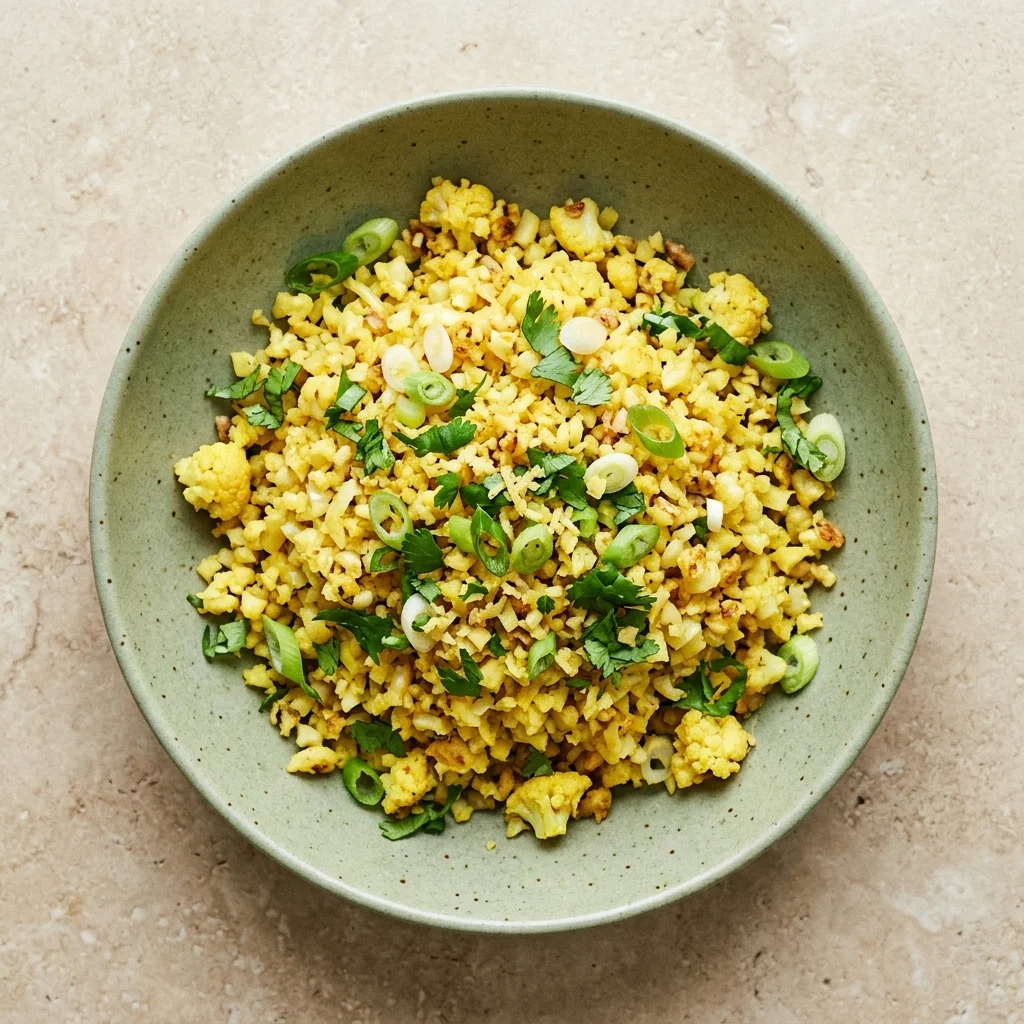
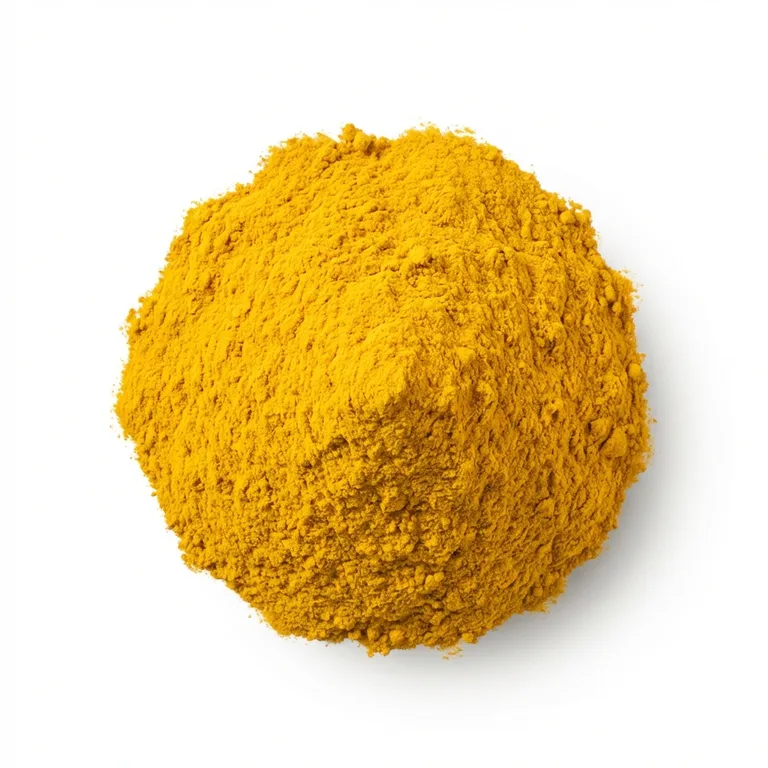
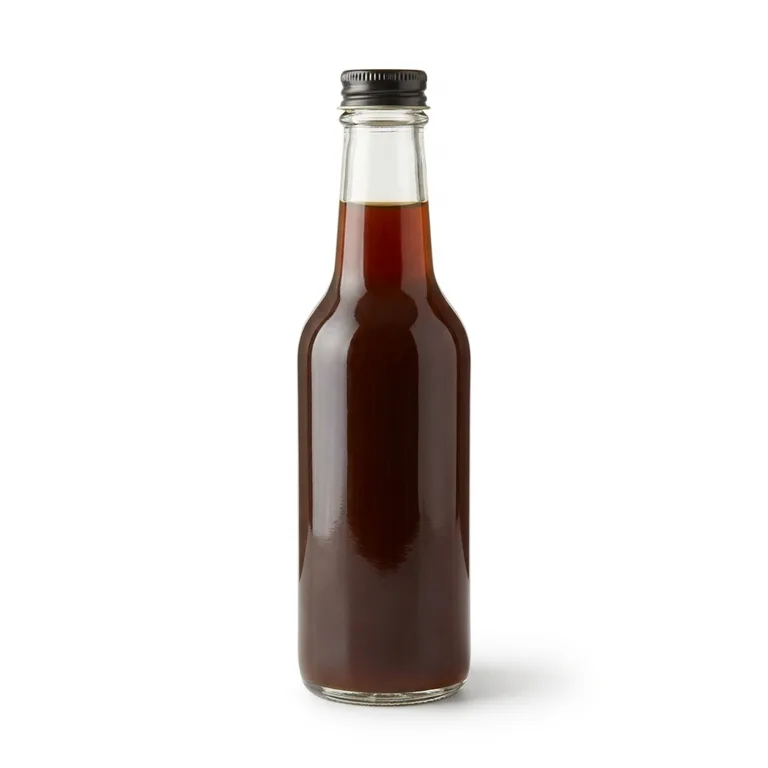
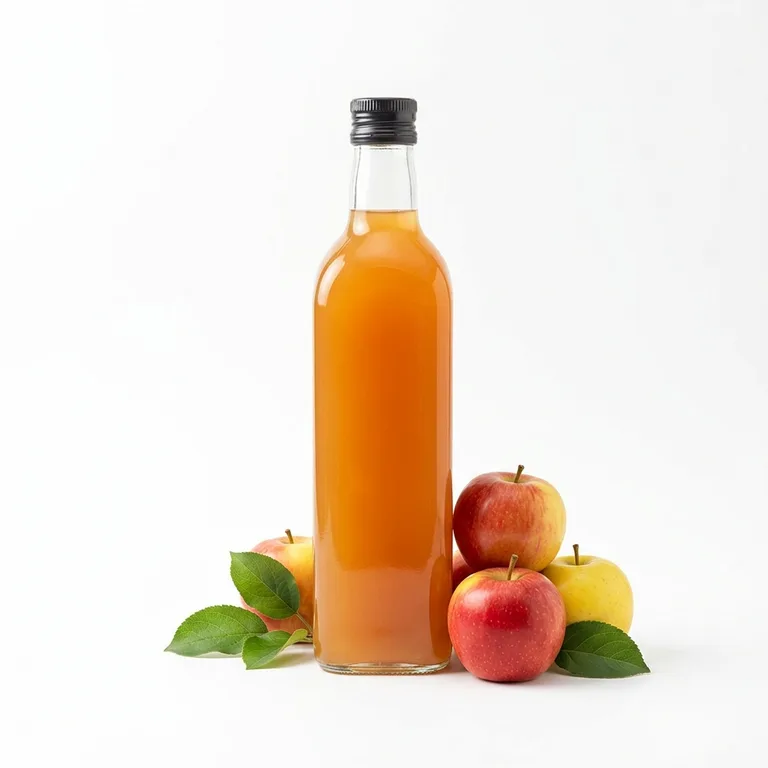
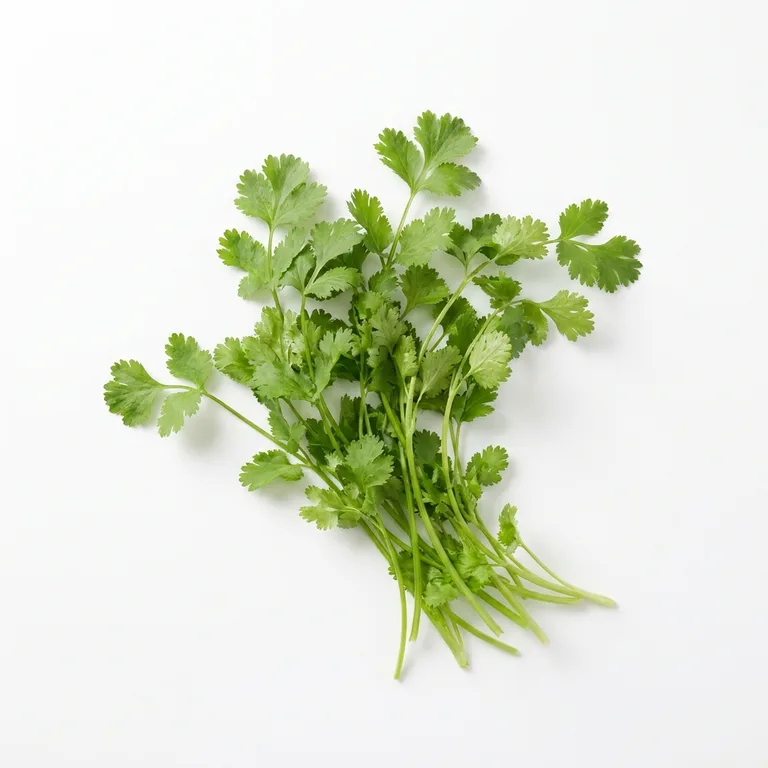
Cauliflower rice gets a serious glow-up here, built around bold aromatics like fresh ginger, garlic, and turmeric that make every bite feel warm and satisfying without relying on any warming spices that might cause a reaction. The technique matters too — pressing the riced cauliflower in a kitchen towel before cooking is the secret to getting those lightly golden, slightly crispy edges instead of a soggy pile. Coconut aminos and a splash of apple cider vinegar bring a savory, subtly tangy depth that ties everything together beautifully. Scallions go in at two stages, which layers in a gentle oniony flavor that feels more complex than the short ingredient list suggests. It comes together in one skillet or wok, making cleanup minimal and weeknight cooking genuinely doable. A scatter of fresh cilantro at the end adds a bright, herby finish if you're into it — totally optional, but it really does elevate the whole dish. This is the kind of side that quietly steals the show at the dinner table.
 About Fig
Fig is a food discovery app that helps you find foods and recipes that fit your dietary needs. Whether you have food allergies, intolerances, or follow a specific diet, Fig makes it easy to eat with confidence.
Learn more →4 servings
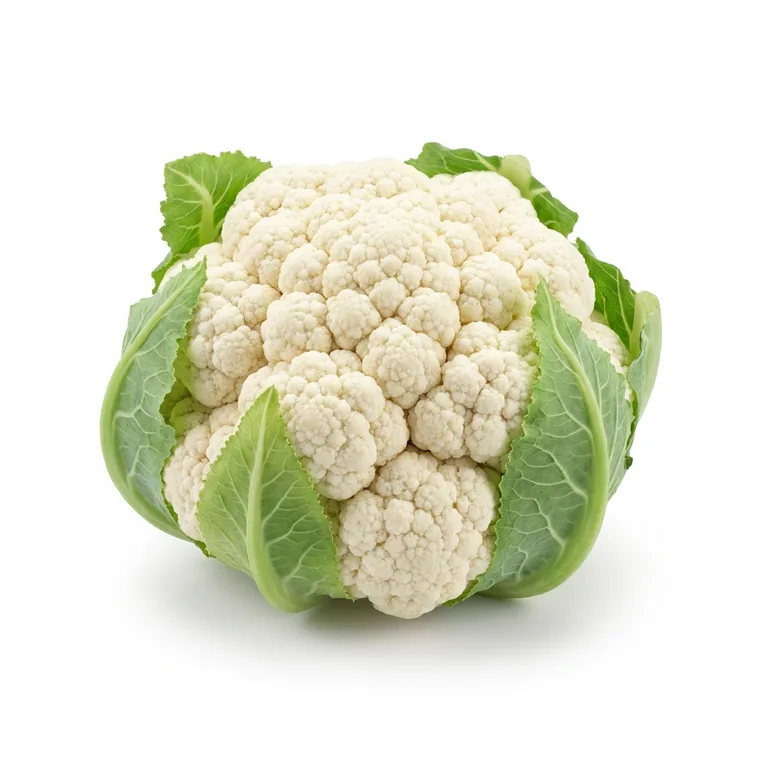
Working in two batches, pulse the cauliflower florets in a food processor 8–10 times until broken down into rice-sized pieces, about 3–4 cups total. Alternatively, grate the florets on the large holes of a box grater. Spread the riced cauliflower on a clean kitchen towel and press firmly to remove excess moisture.
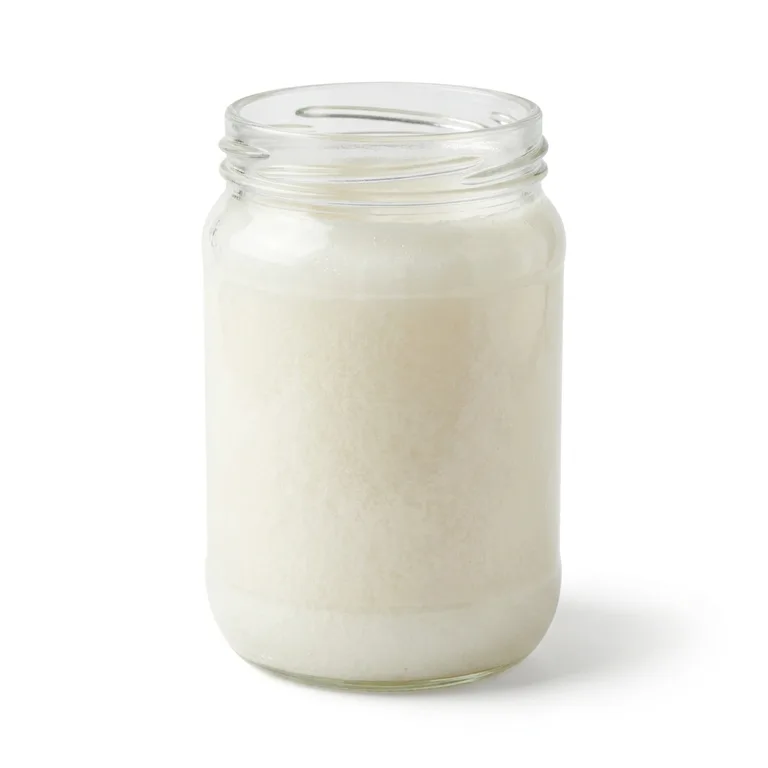
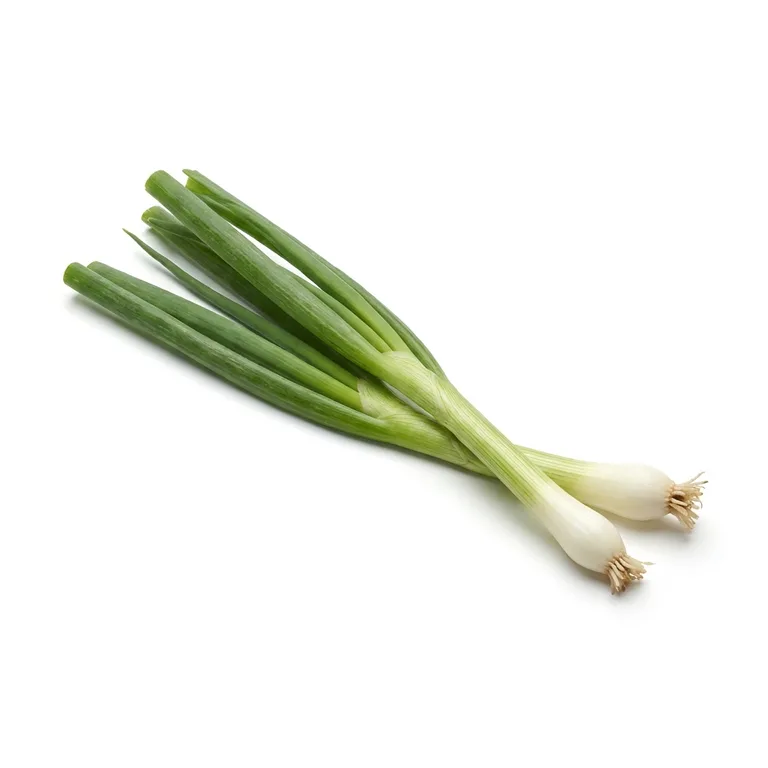
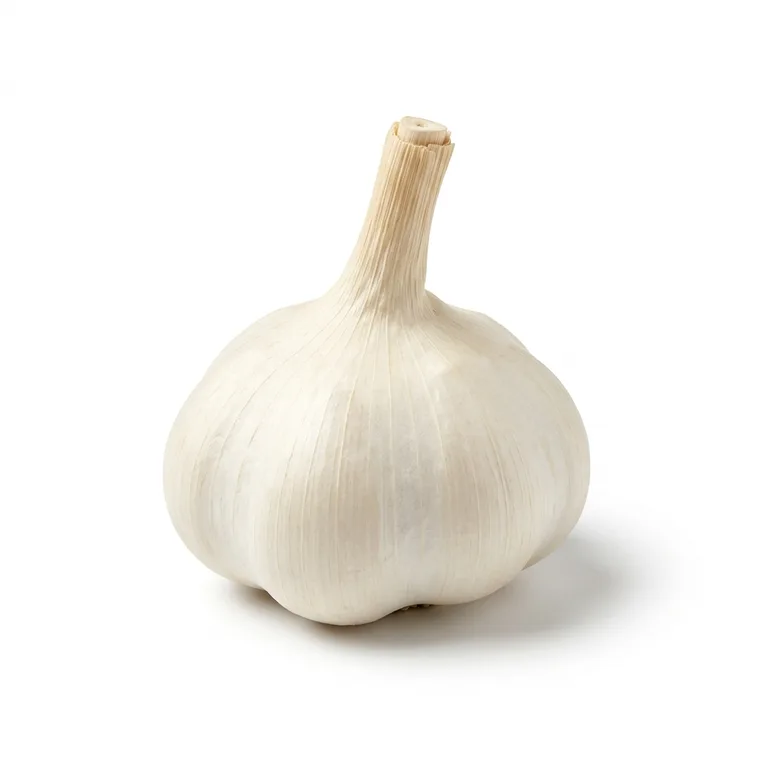
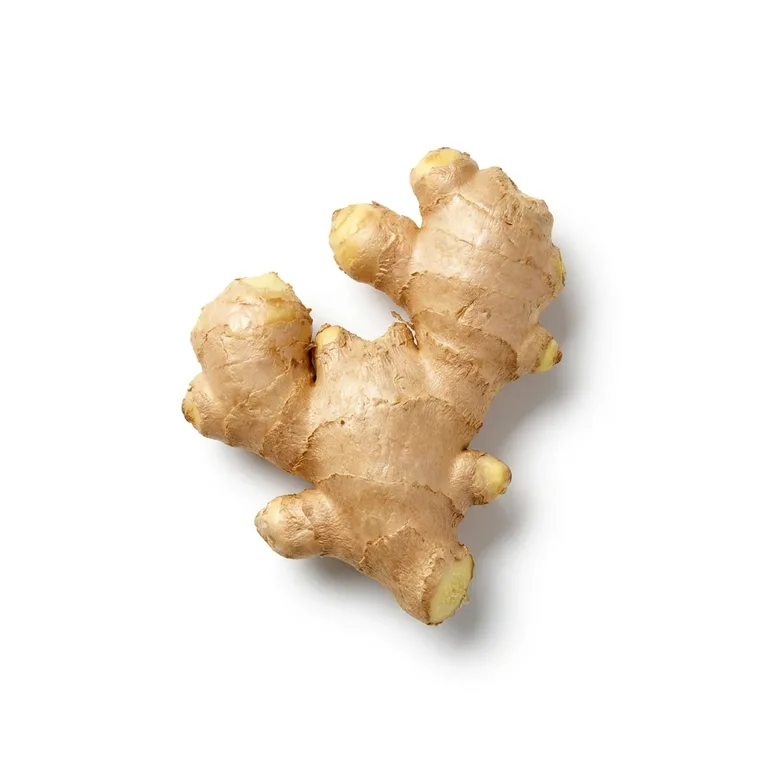
Heat the coconut oil in a large (12-inch) skillet or wok over medium-high heat until shimmering. Add the scallion whites, garlic, and ginger and cook, stirring constantly, until fragrant and softened, about 1–2 minutes. Watch closely, as the garlic can brown quickly.
Create a Fig account for step-by-step instructions, access to our full recipe library, and more!


 (16k)
(16k)