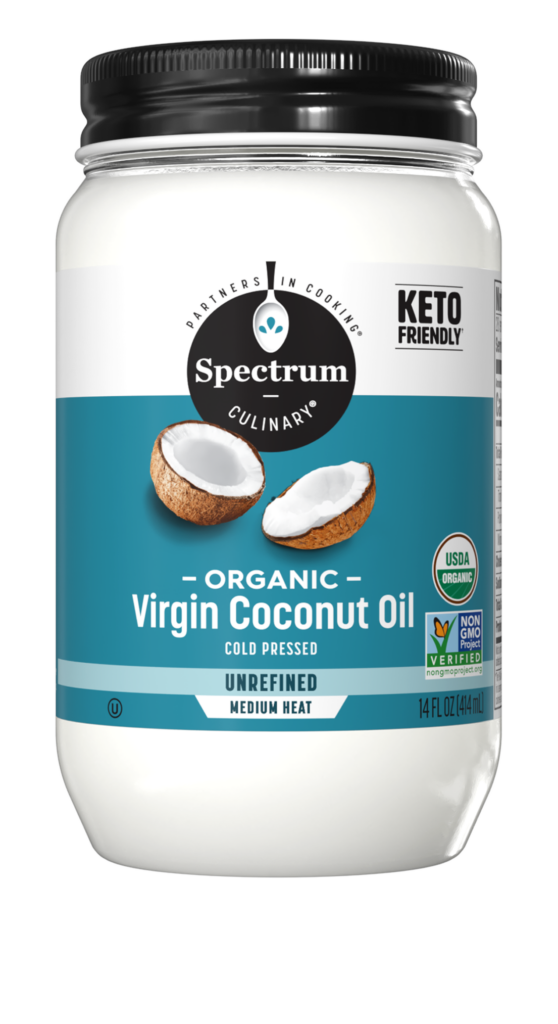
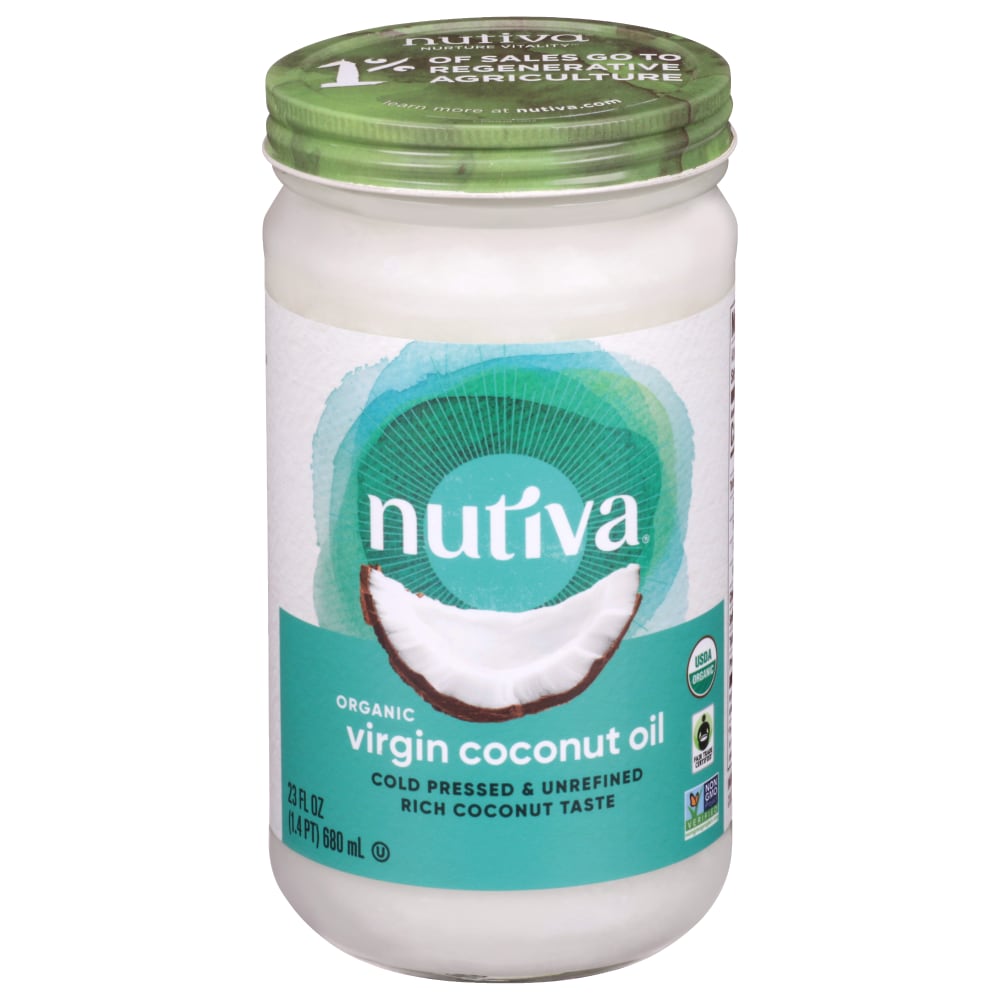
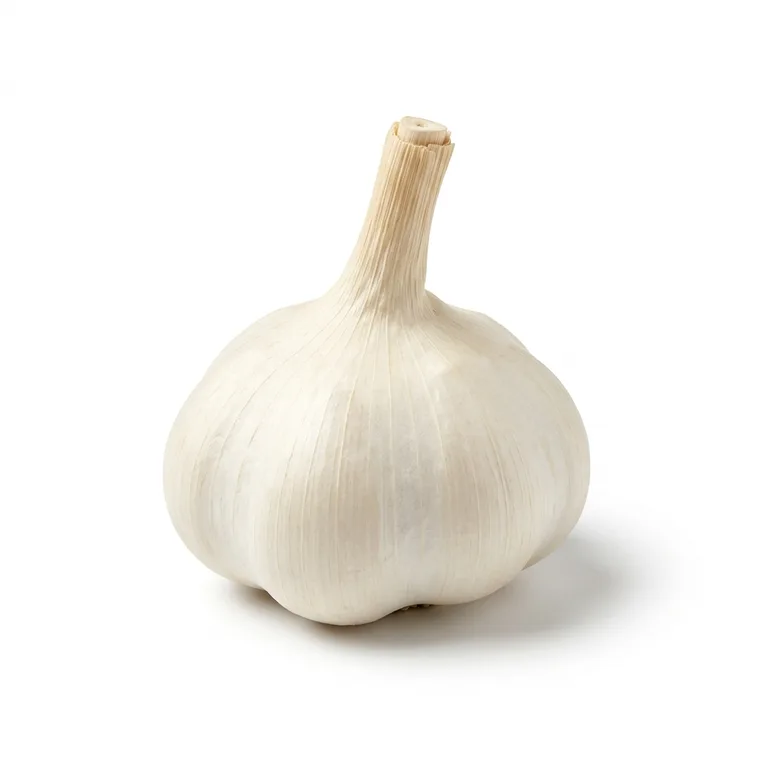
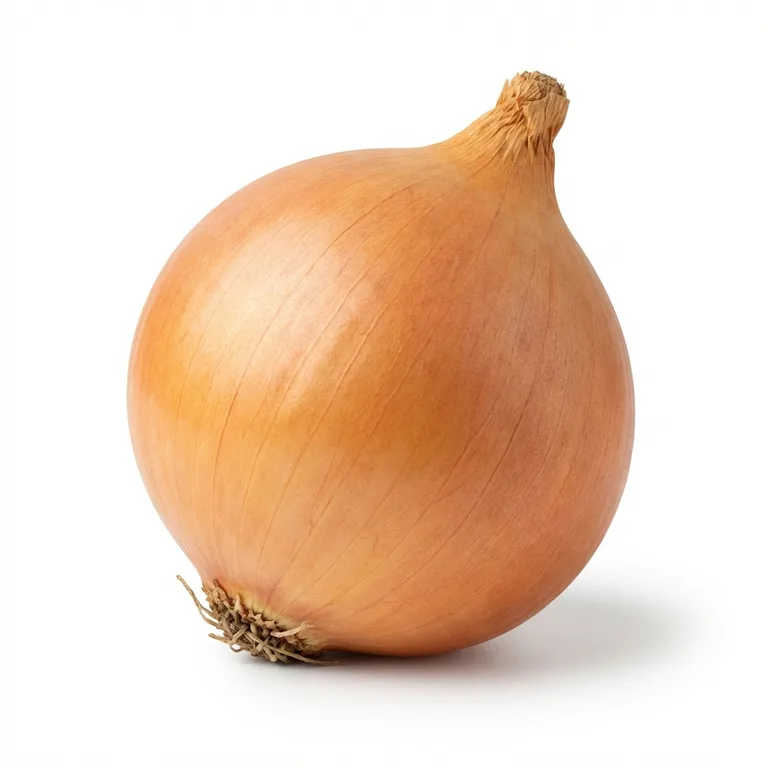
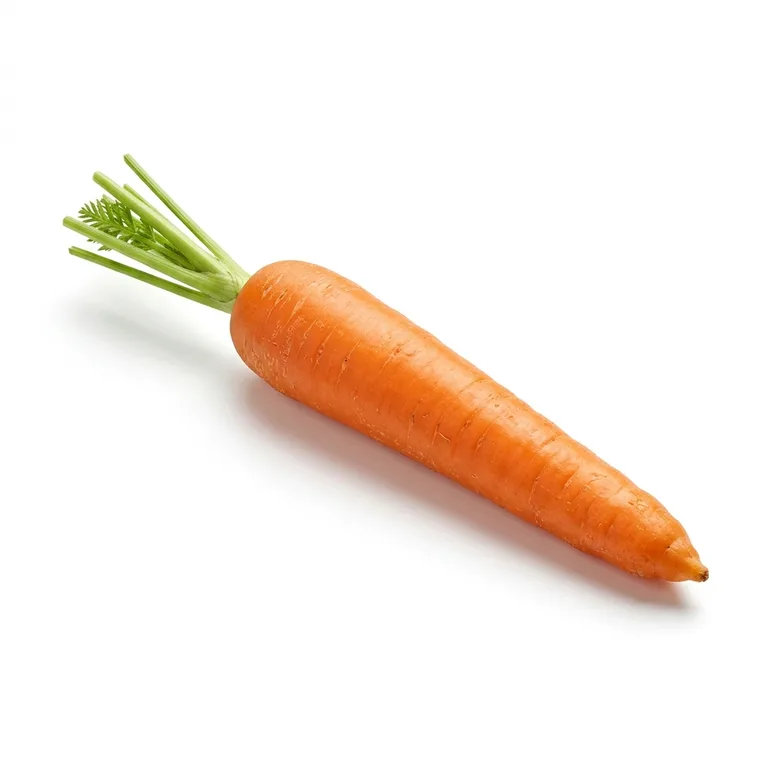
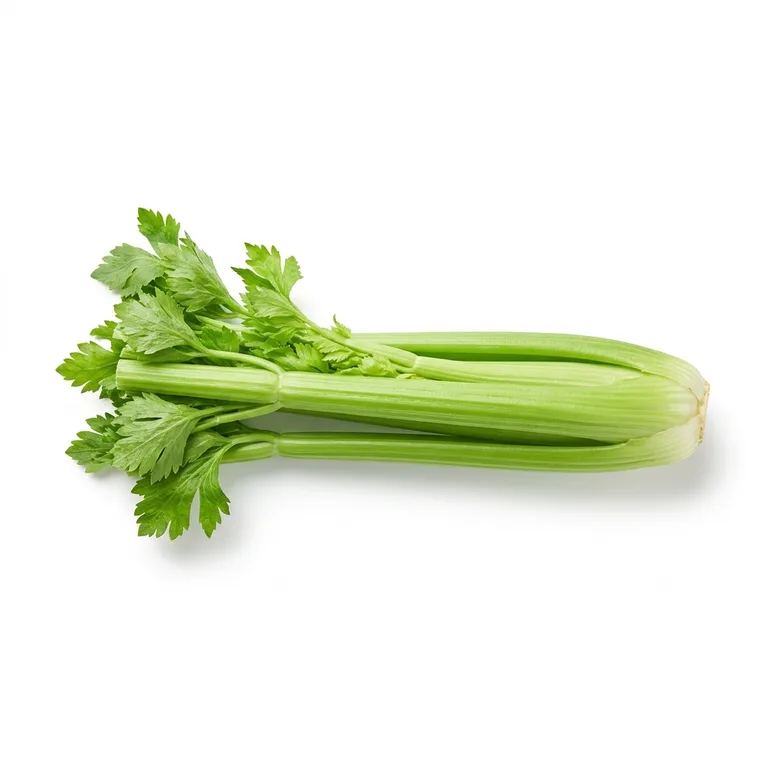
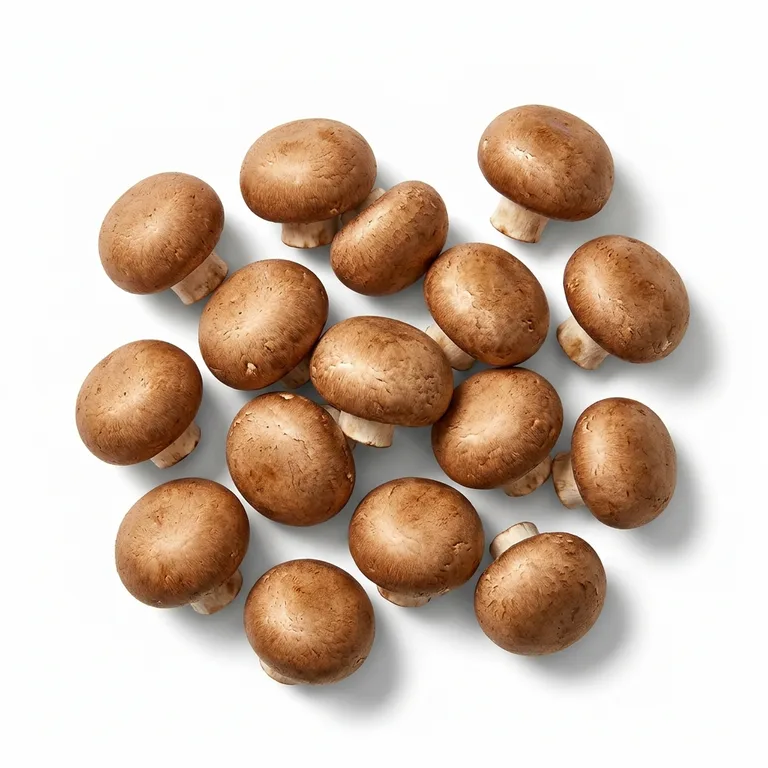
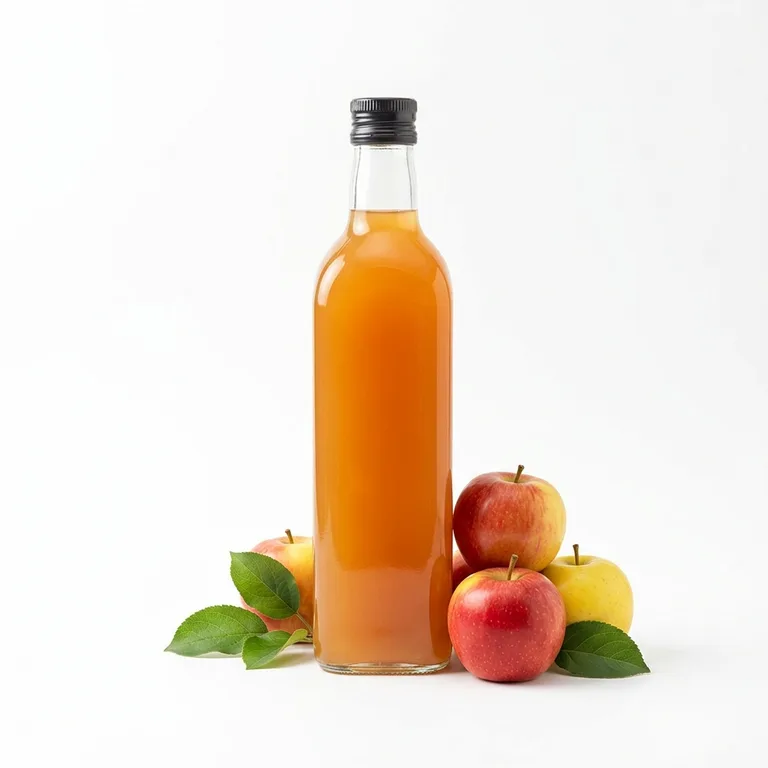
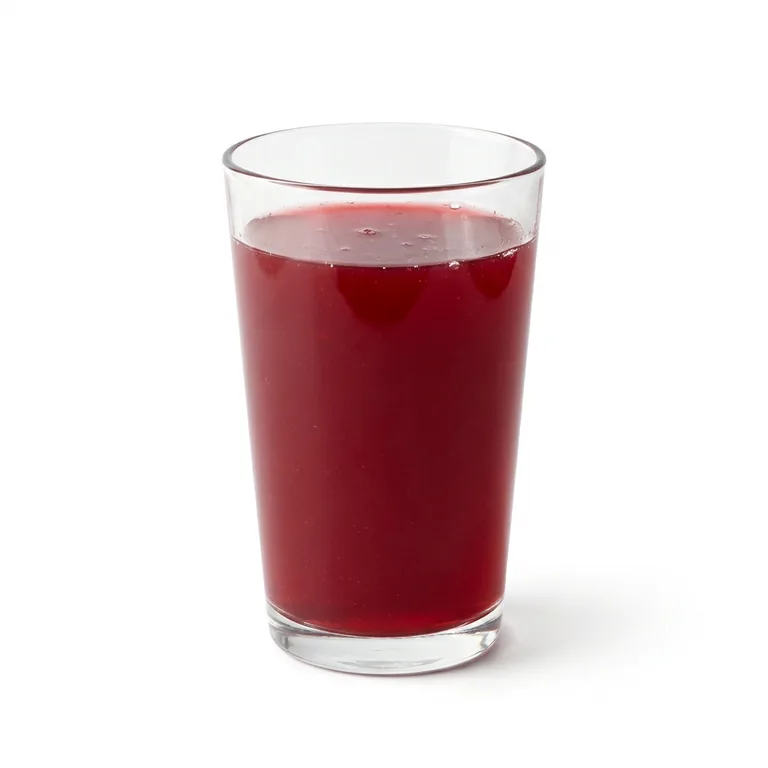
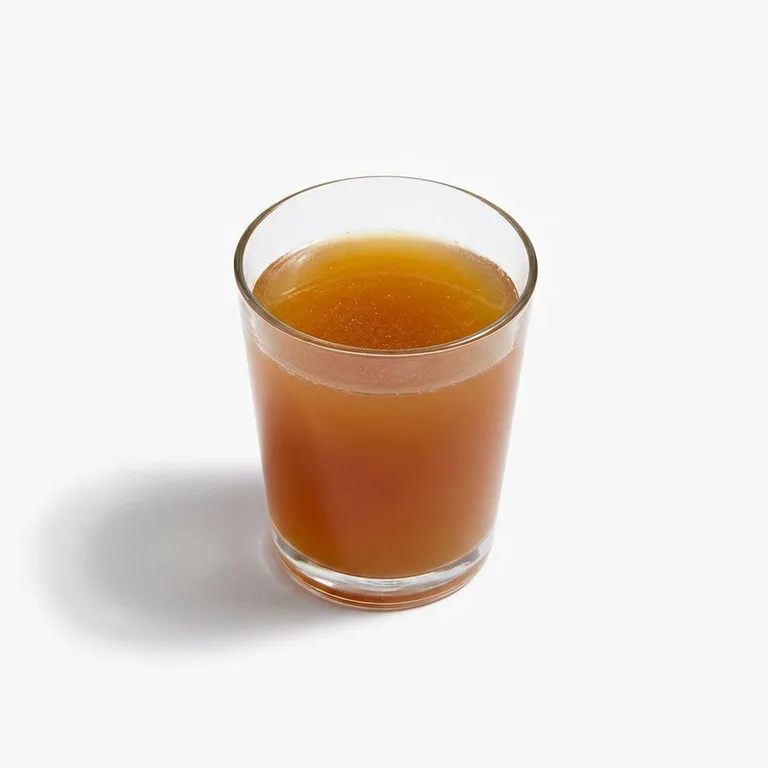
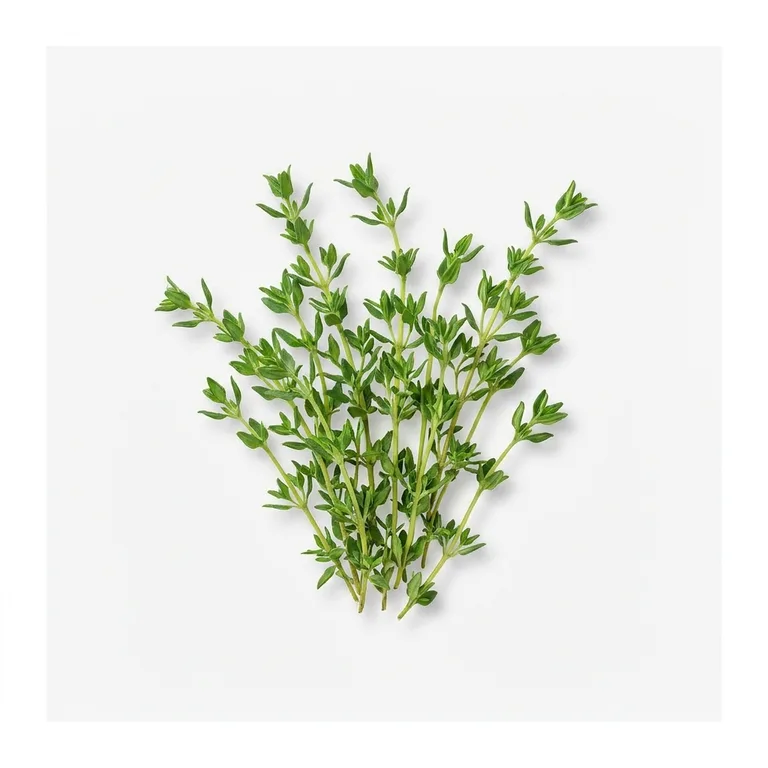
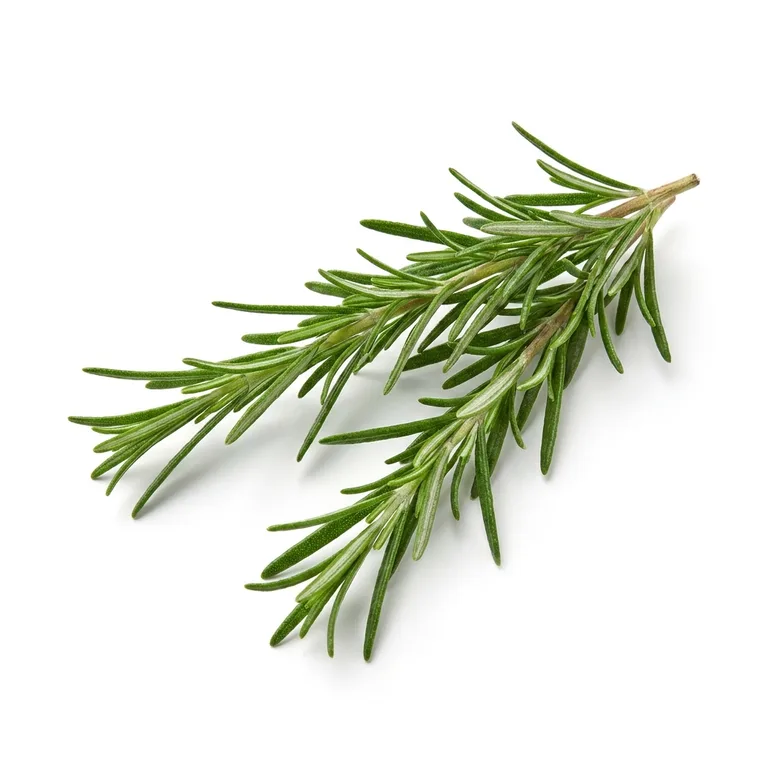
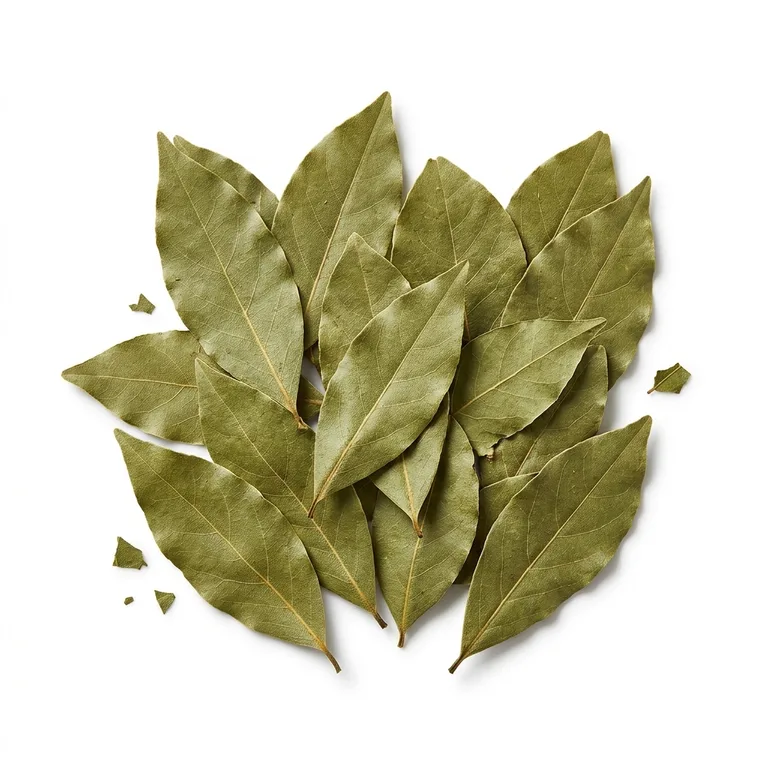
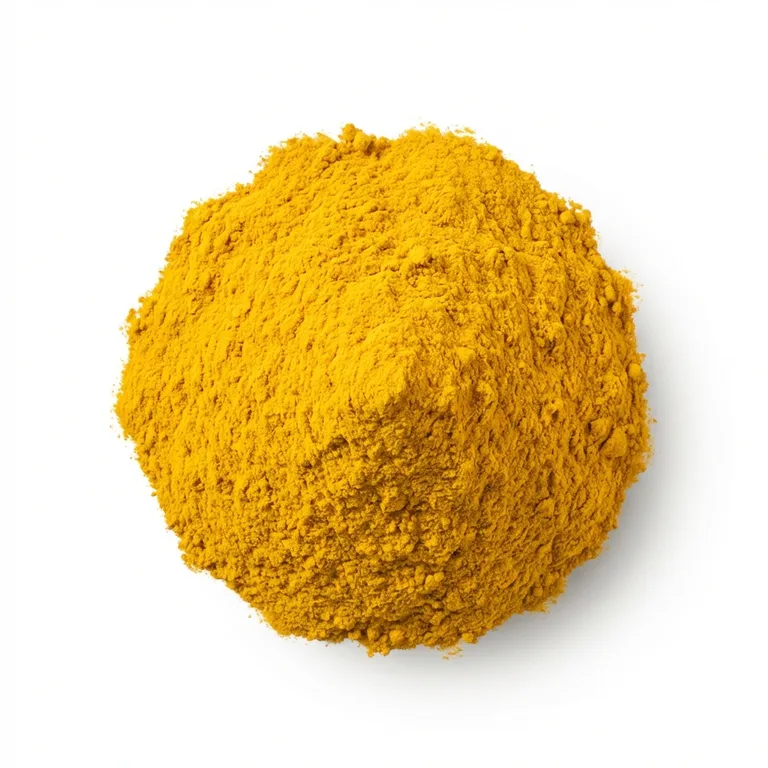
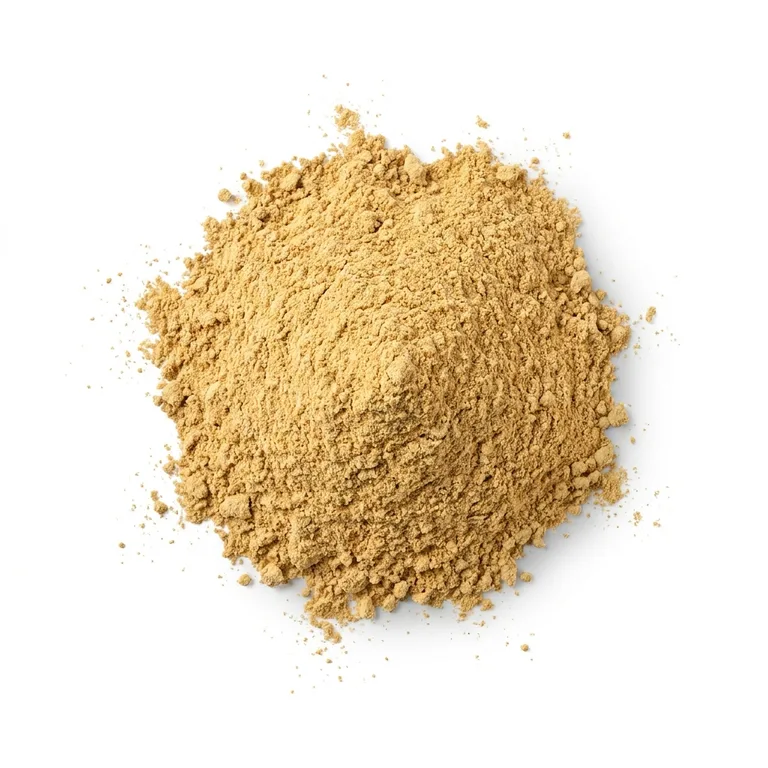
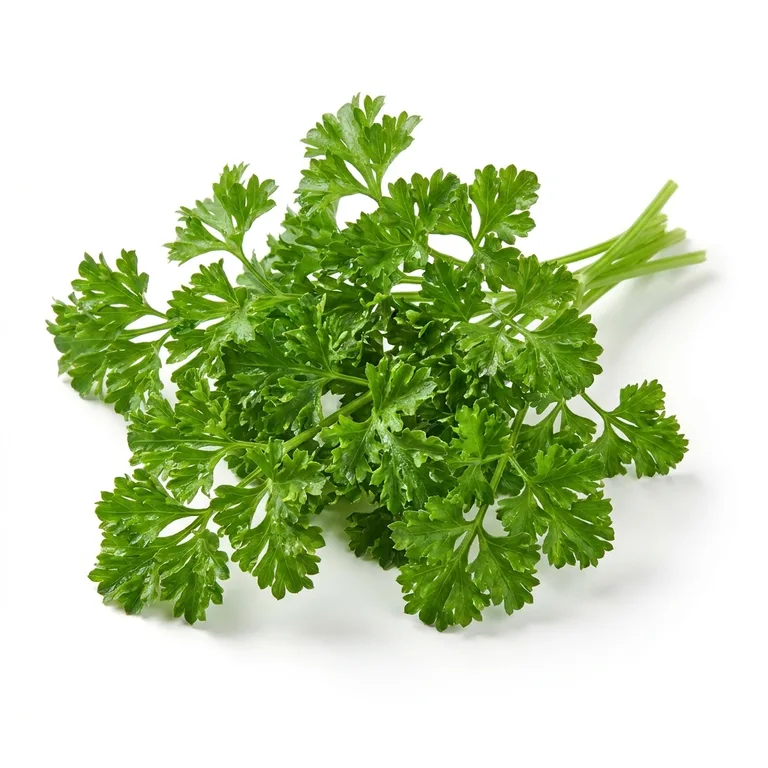
Rich, deeply savory, and built entirely from whole ingredients, this braised duck stew is the kind of cold-weather cooking that makes your kitchen smell incredible for hours. Duck legs are seared in coconut oil until the skin turns a deep, crackling gold, then slowly braised with cremini mushrooms, carrots, celery, and ten whole cloves of garlic until the meat is so tender it practically falls off the bone on its own. Pomegranate juice and apple cider vinegar give the braising liquid a subtle brightness that balances the richness of the duck beautifully, while turmeric and ginger add a gentle warmth that rounds everything out. Bone broth forms the backbone of the stew, so every spoonful is full-bodied and nourishing without relying on any packaged sauces or condiments that might sneak in unwanted additives. For anyone navigating soy sensitivities, this recipe is genuinely clean — every single ingredient is straightforward and easy to verify, with no soy-derived oils, thickeners, or flavor enhancers anywhere in the pot. Fresh thyme, rosemary, and bay leaves do all the aromatic heavy lifting, and a scatter of flat-leaf parsley at the end keeps things bright and fresh. This is a proper, restaurant-worthy braise that just happens to be completely stress-free to put on the table.
 About Fig
Fig is a food discovery app that helps you find foods and recipes that fit your dietary needs. Whether you have food allergies, intolerances, or follow a specific diet, Fig makes it easy to eat with confidence.
Learn more →4 servings
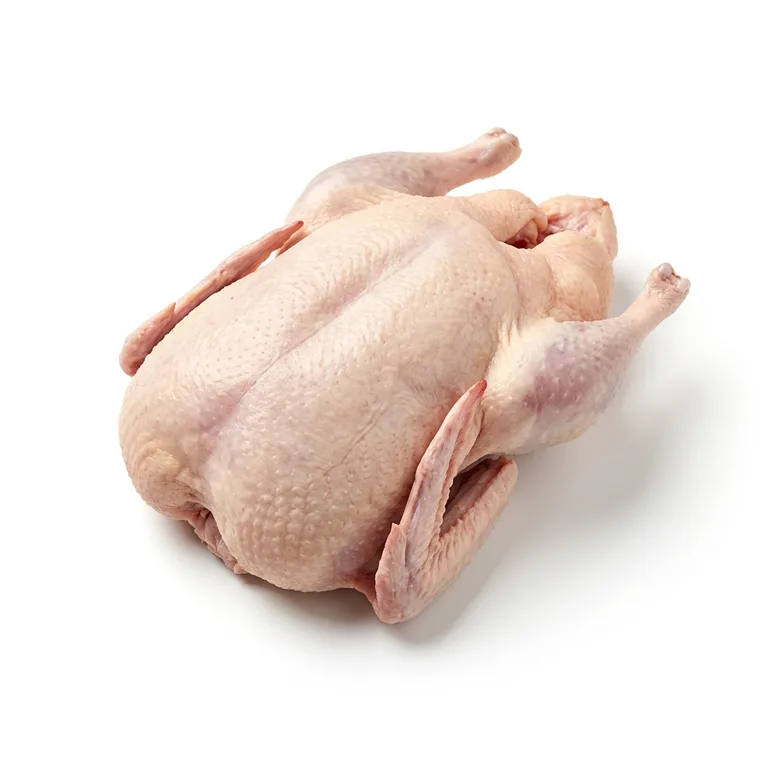
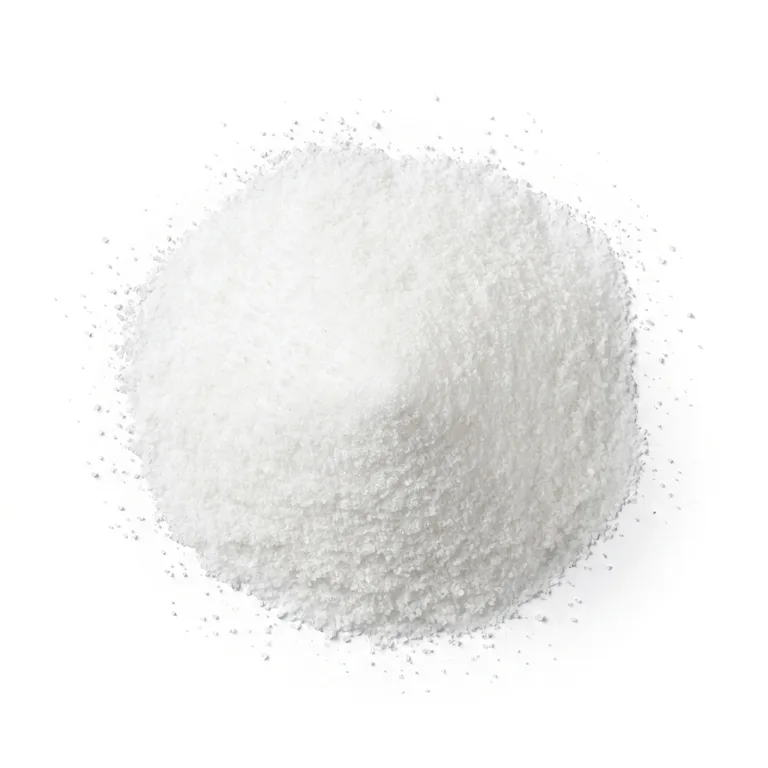
Pat the duck legs thoroughly dry with paper towels and season all over with 1 tsp fine sea salt. Drying the skin is essential for a good sear — wet skin will steam rather than brown.
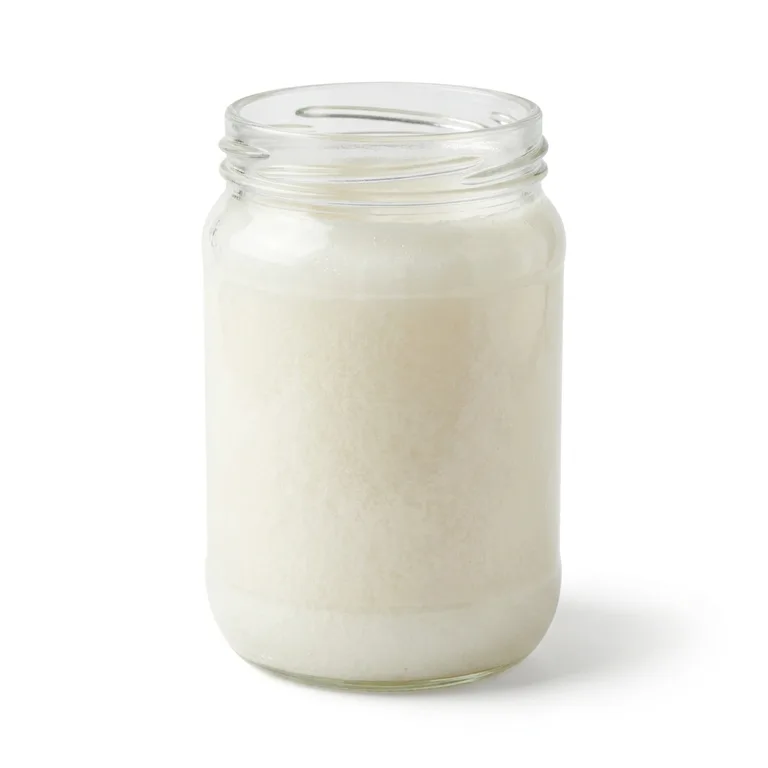
Heat the coconut oil in a Dutch oven over medium-high heat until shimmering. Add the duck legs skin-side down and sear undisturbed for 7–9 minutes, until the skin is deep golden brown and releases easily from the pot. Flip and sear the flesh side for 3 minutes. Transfer the duck legs to a plate and pour off all but about 1 tbsp of the rendered fat, reserving the rest for another use.
Create a Fig account for step-by-step instructions, access to our full recipe library, and more!


 (16k)
(16k)