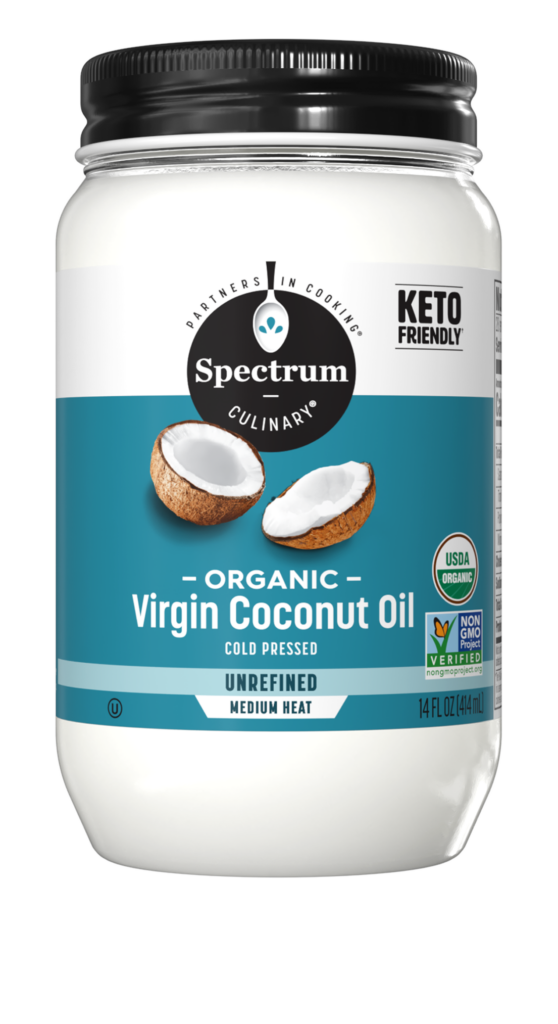
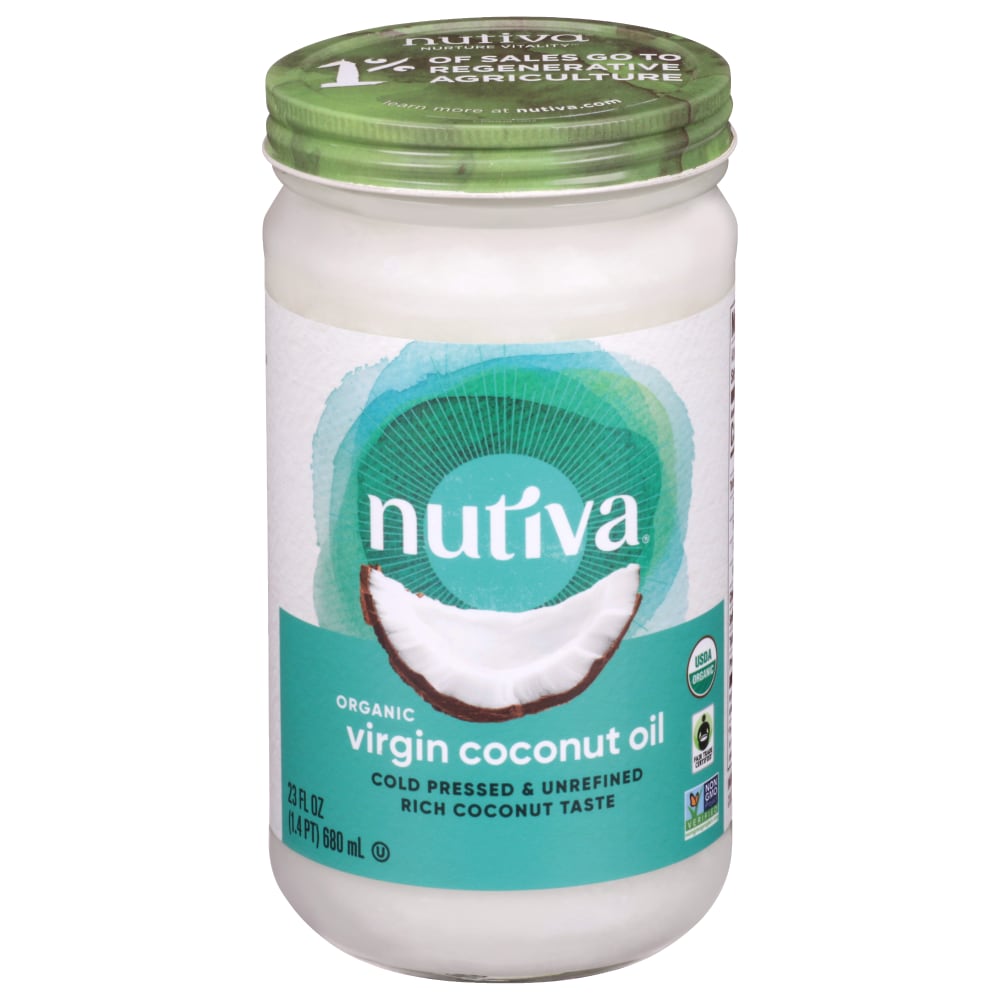
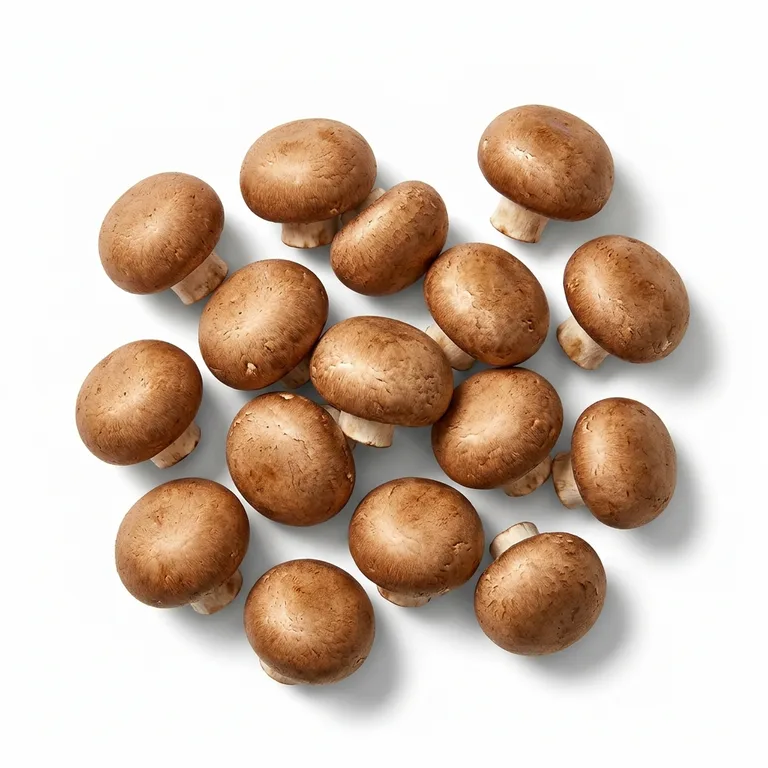
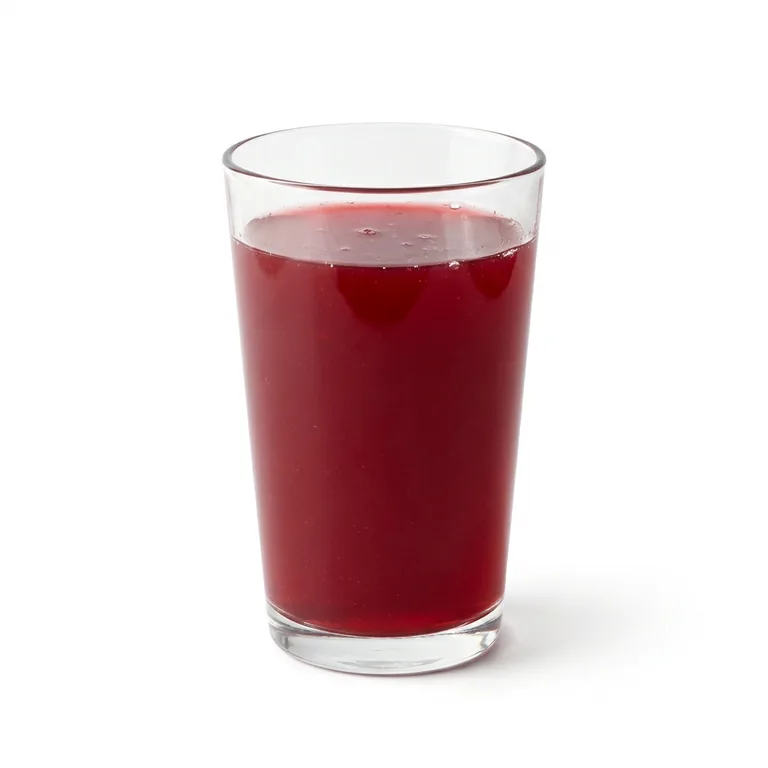
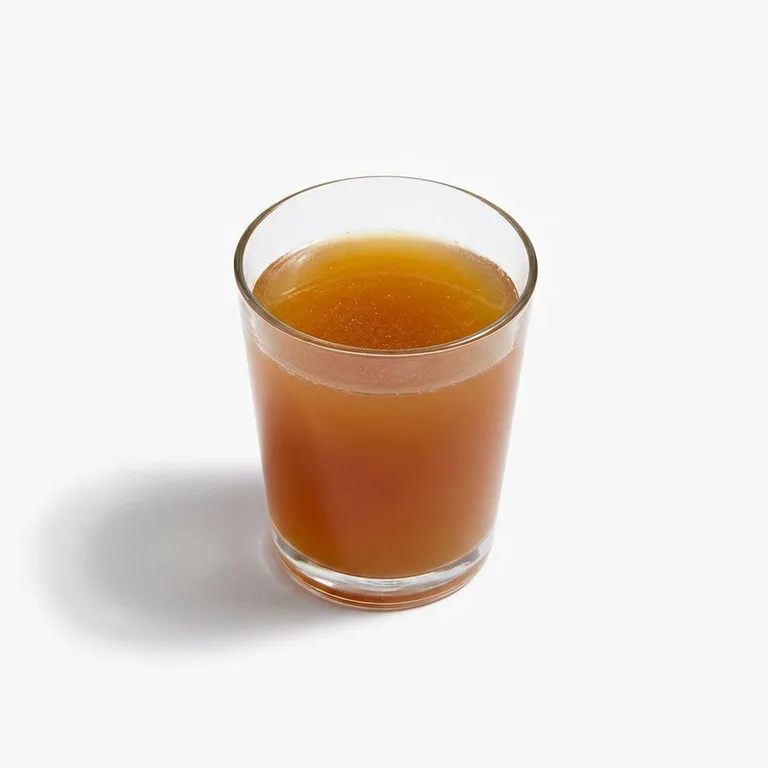
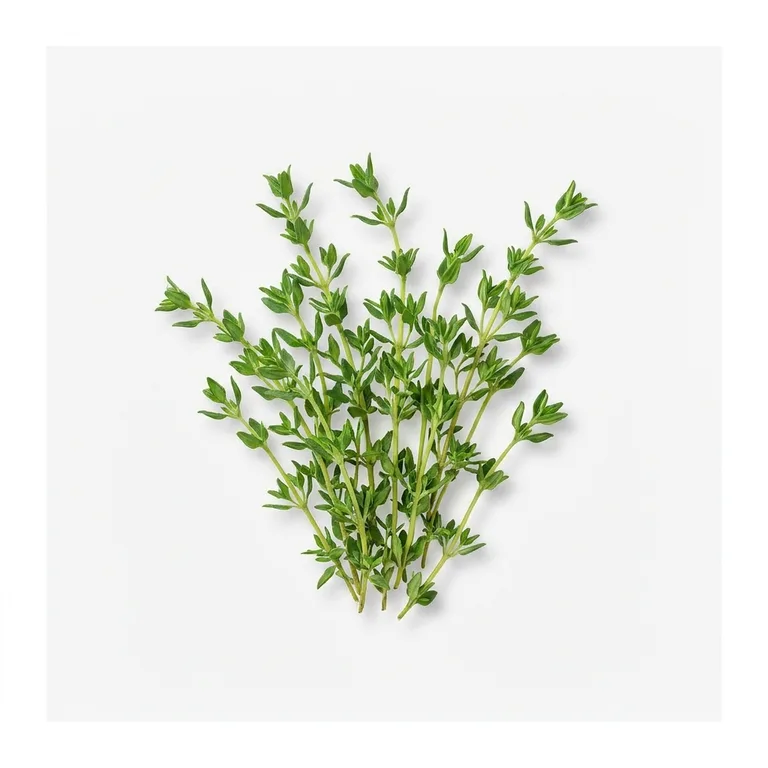
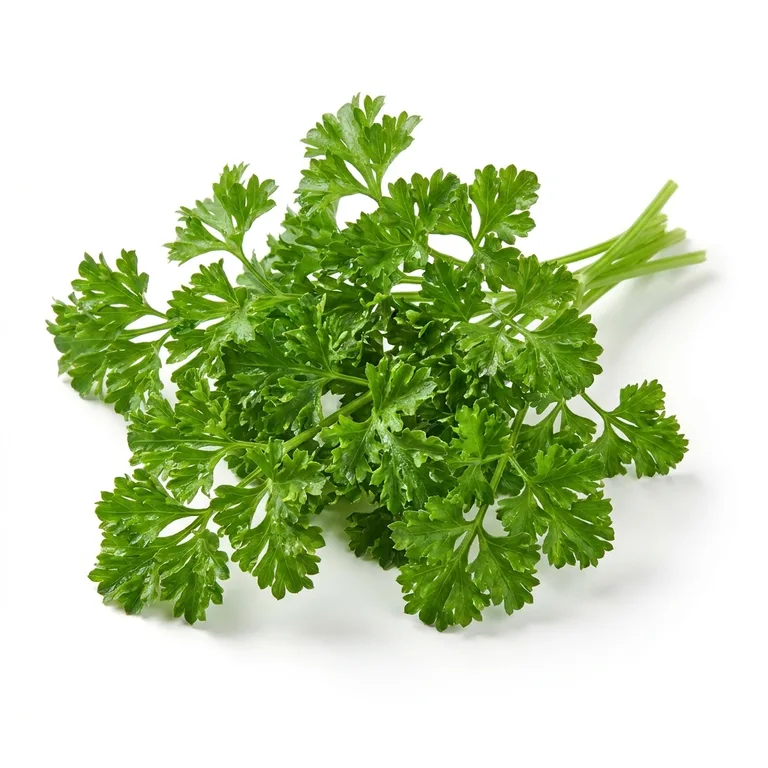
Rich, deeply savory, and built entirely from whole, unprocessed ingredients, this braised duck stew is the kind of meal that makes a kitchen smell incredible for hours. Every component — from the smashed garlic and cremini mushrooms to the fresh thyme and rosemary — is a real, recognizable ingredient with nothing synthetic hiding in the mix, which is exactly what you want when you're being careful about what goes into your food. Avoiding parabens often means steering clear of heavily processed sauces, packaged broths, and pre-made spice blends that can carry preservative compounds, so building a dish like this from scratch puts you fully in control. The duck legs are seared in coconut oil until the skin turns a deep, crackling gold, then braised low and slow in bone broth, pomegranate juice, and apple cider vinegar until the meat is falling-off-the-bone tender. Turmeric and ground ginger add warmth and a subtle earthiness that plays beautifully against the richness of the duck and the umami depth of the mushrooms. It's a genuinely elegant stew — the kind that looks and tastes like it took serious effort, even though the braise does most of the work for you. Finish each bowl with a handful of fresh parsley and you've got a stunning, clean-ingredient dinner that doesn't compromise on flavor for a single second.
 About Fig
Fig is a food discovery app that helps you find foods and recipes that fit your dietary needs. Whether you have food allergies, intolerances, or follow a specific diet, Fig makes it easy to eat with confidence.
Learn more →4 servings
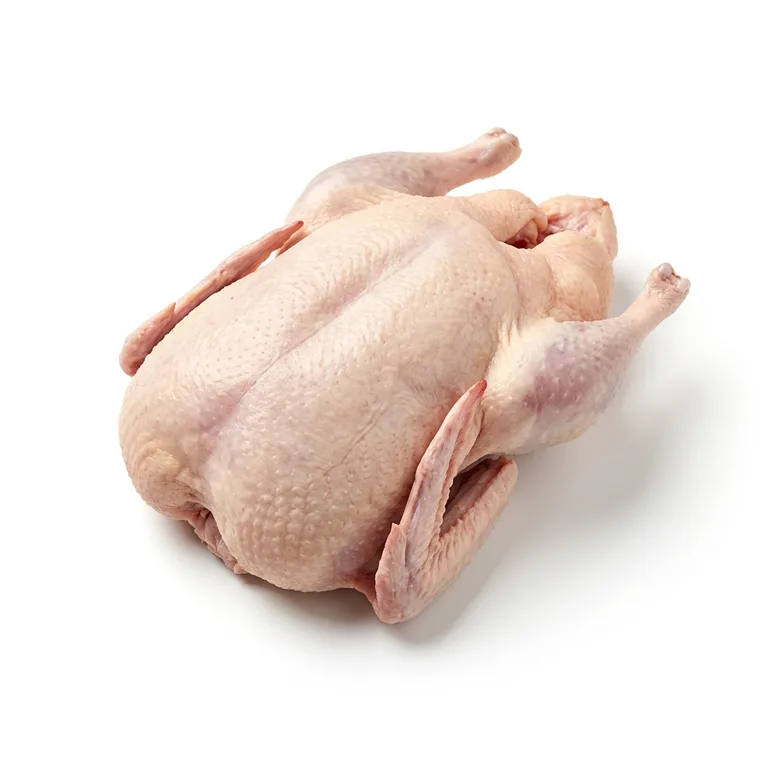
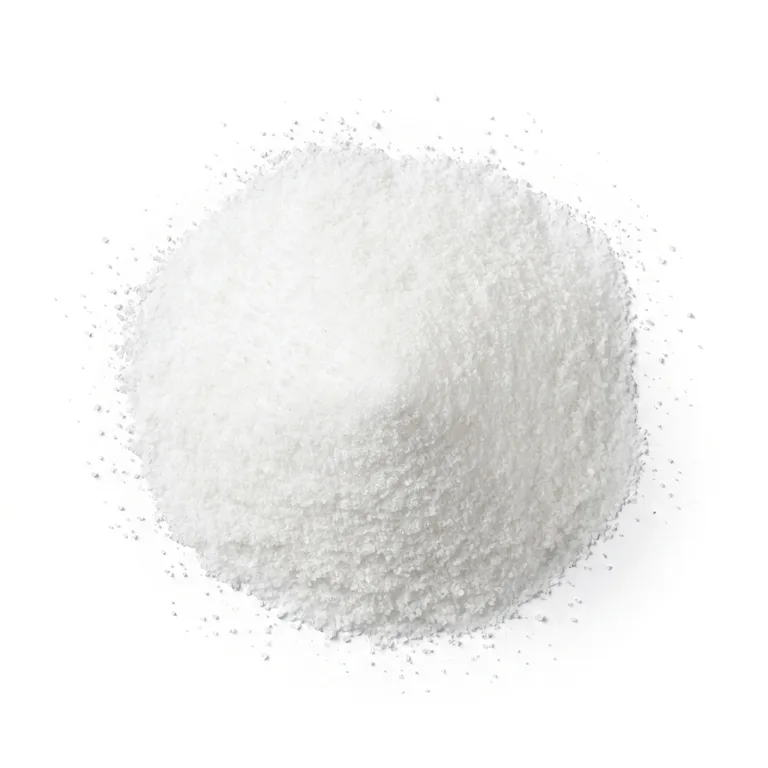
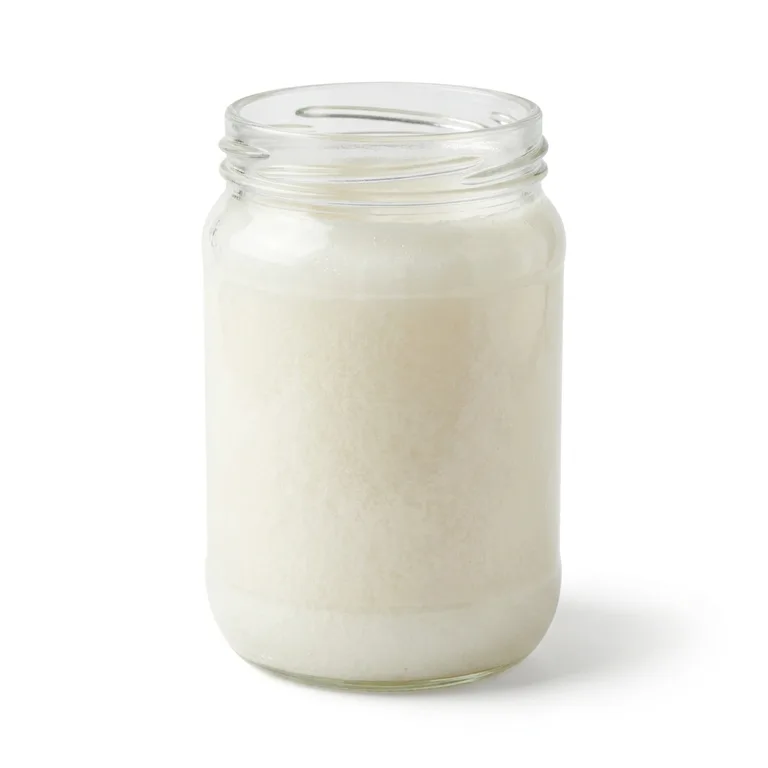
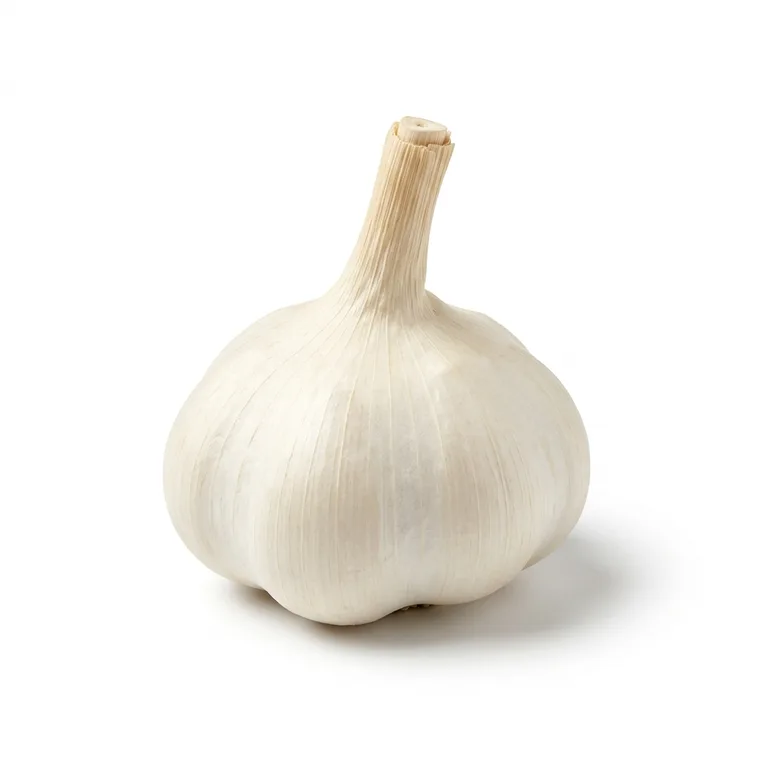
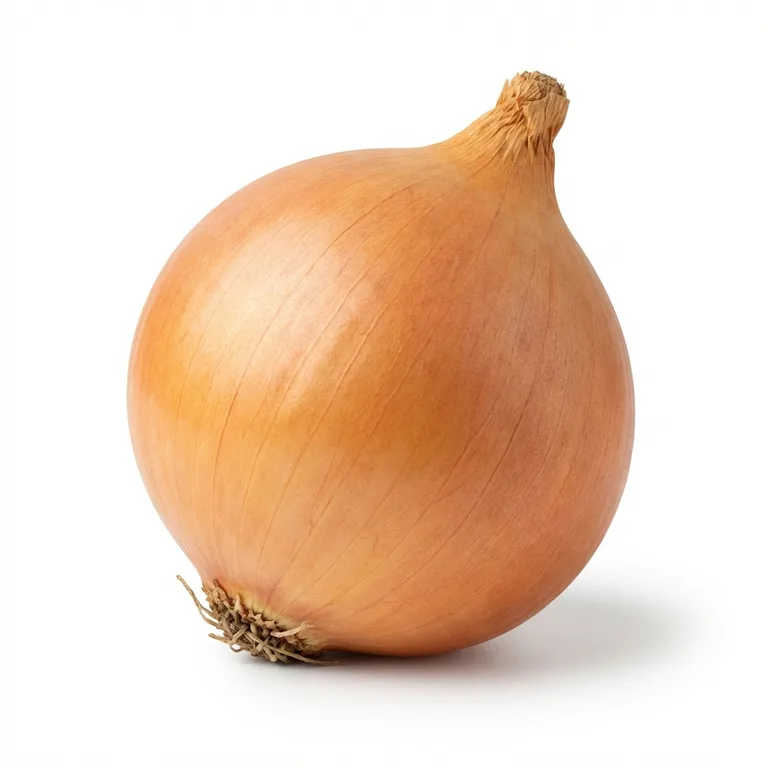

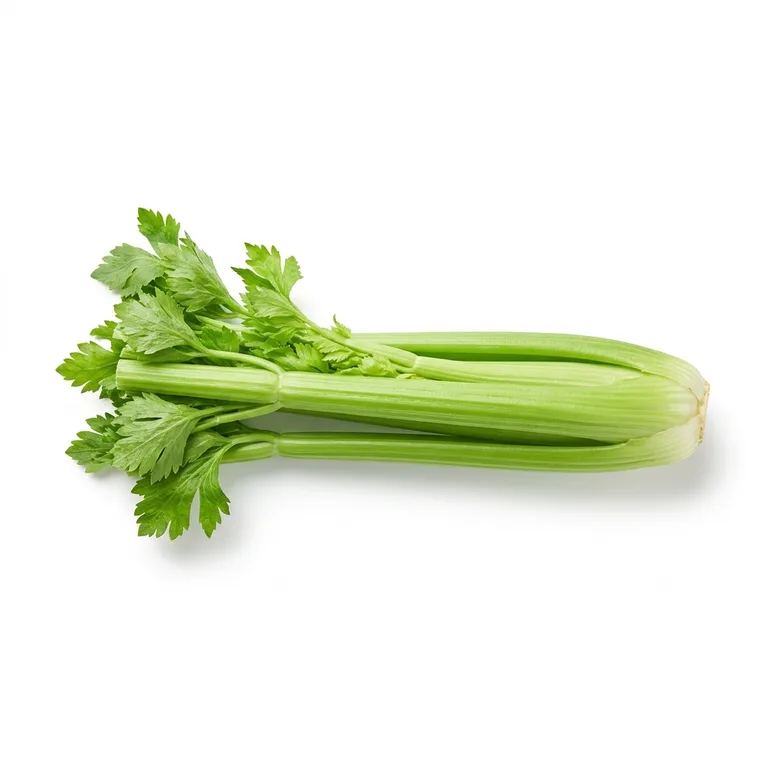

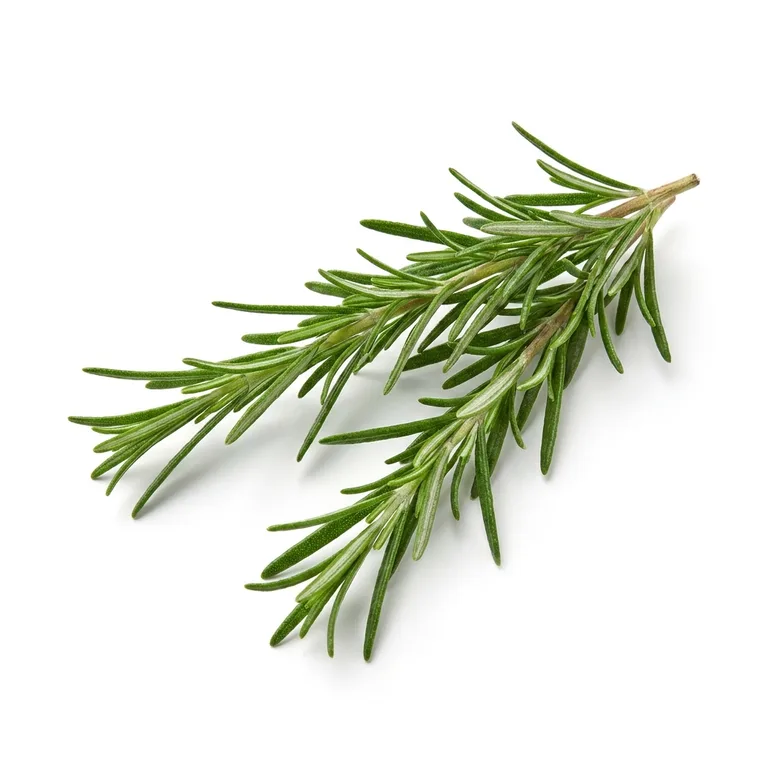
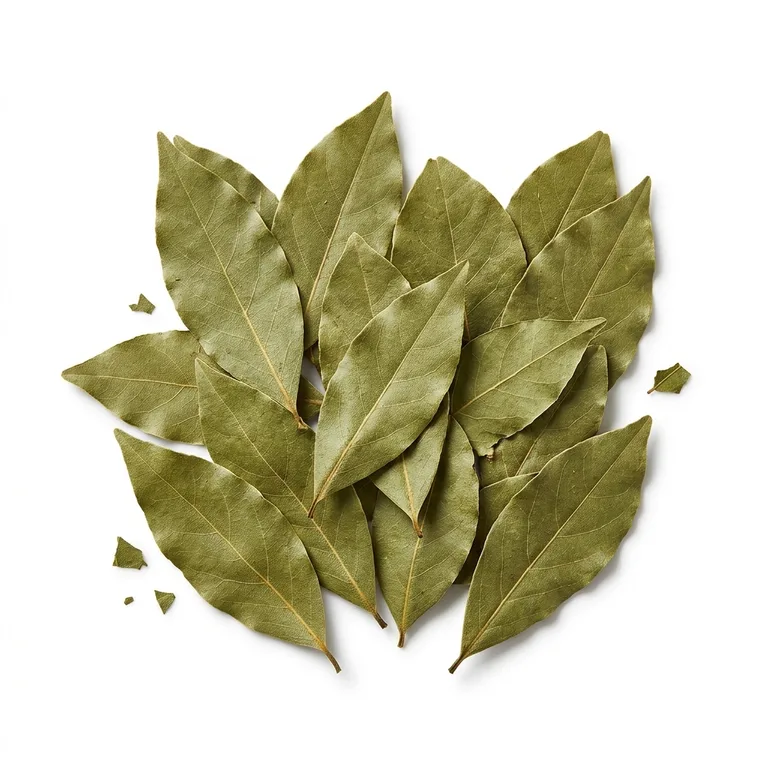
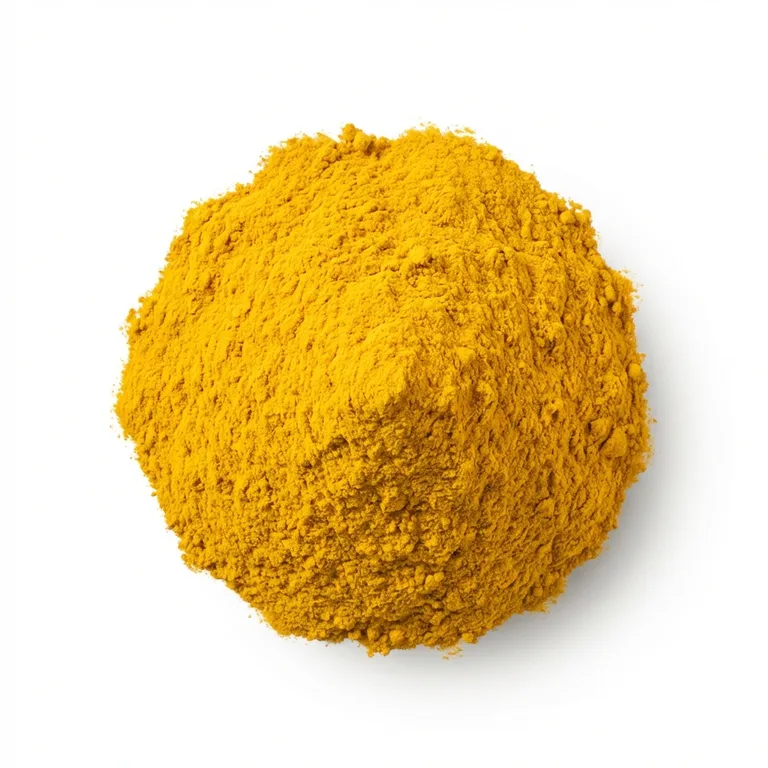
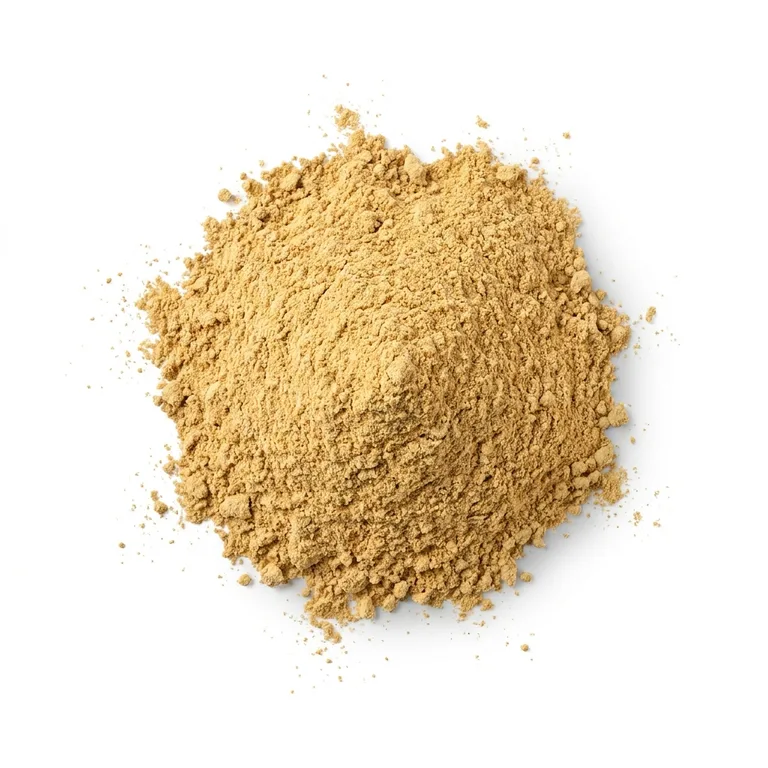
Pat the duck legs thoroughly dry with paper towels and season all over with 1 tsp fine sea salt. Drying the skin is essential for a good sear — wet skin will steam rather than brown.
Heat the coconut oil in a Dutch oven over medium-high heat until shimmering. Add the duck legs skin-side down and sear undisturbed for 7–9 minutes, until the skin is deep golden brown and releases easily from the pot. Flip and sear the flesh side for 3 minutes. Transfer the duck legs to a plate and pour off all but about 1 tbsp of the rendered fat, reserving the rest for another use.
Create a Fig account for step-by-step instructions, access to our full recipe library, and more!


 (16k)
(16k)