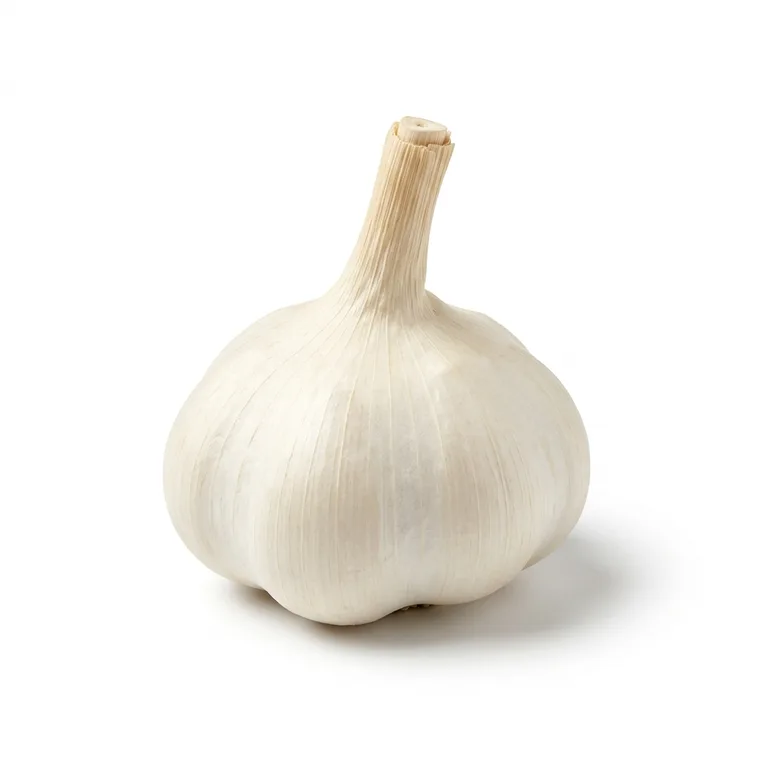
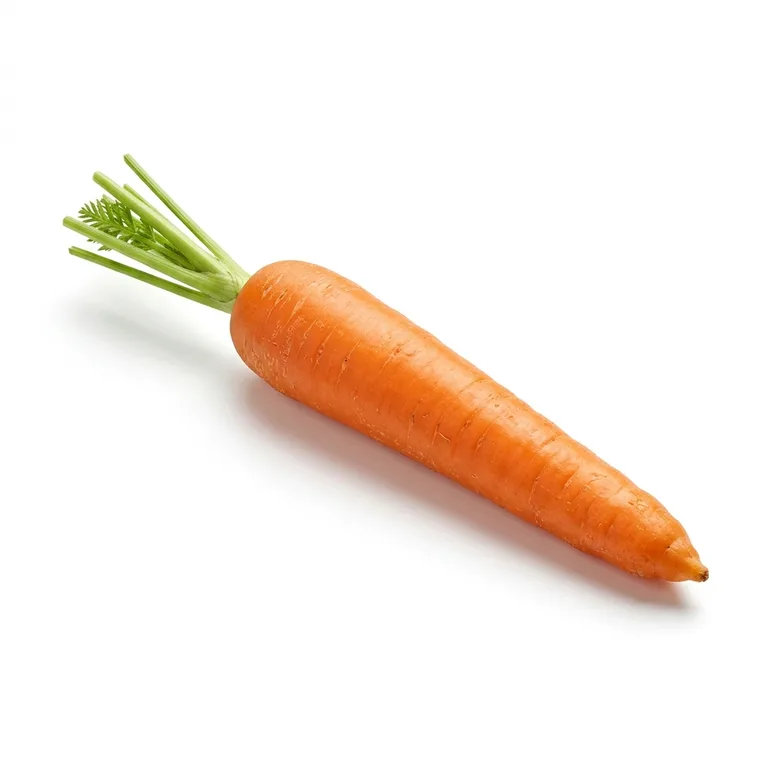
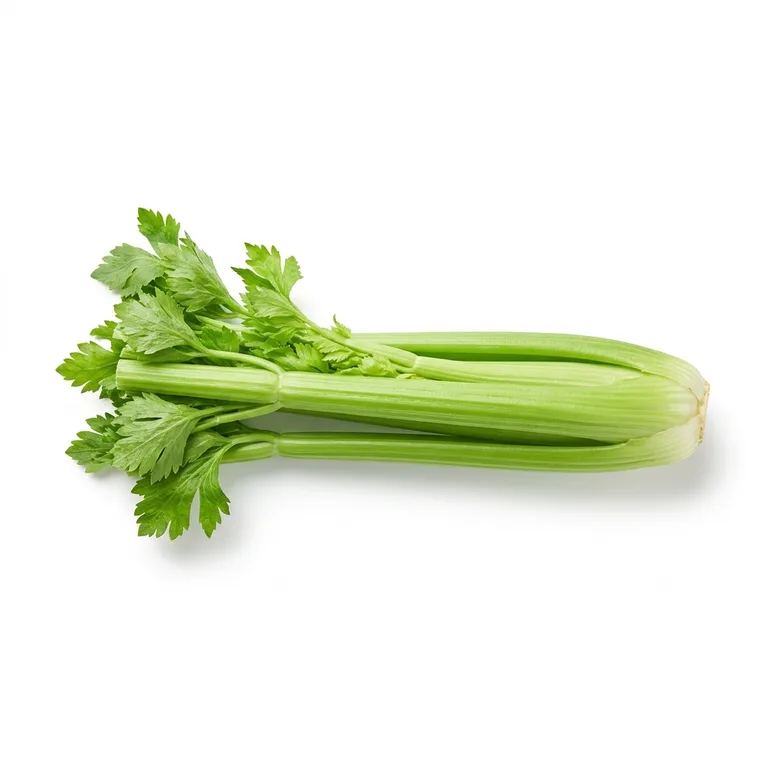
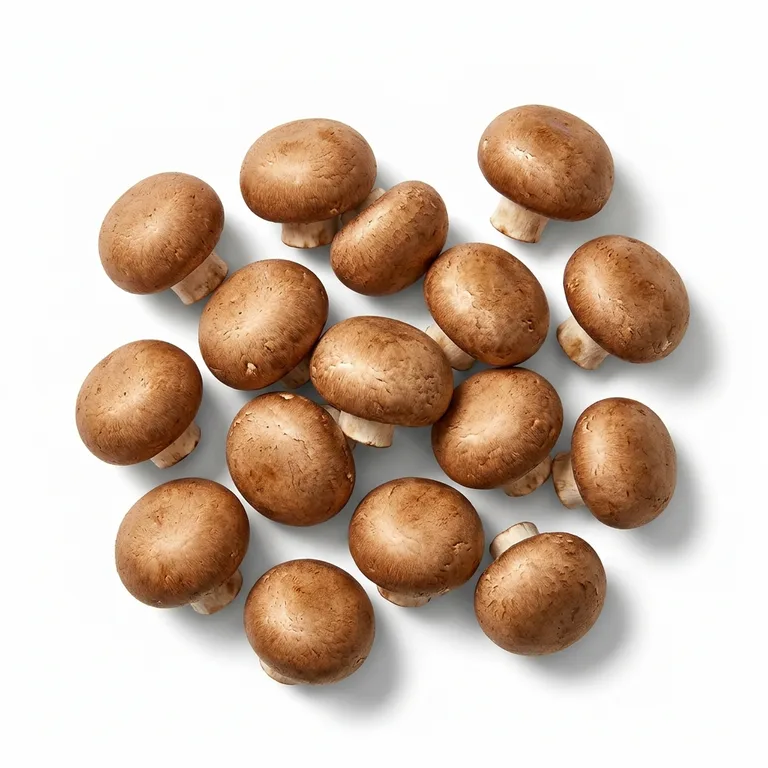
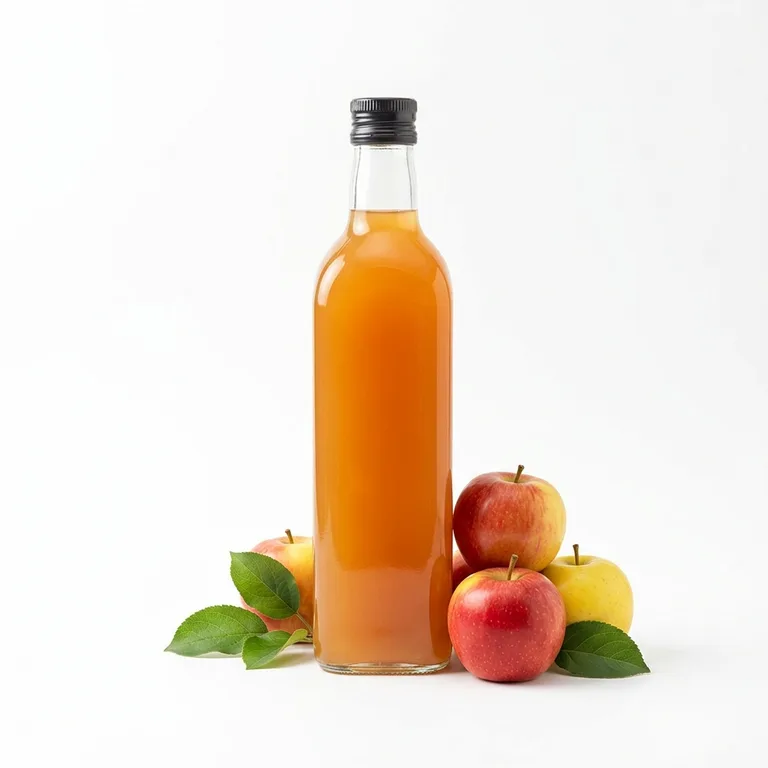
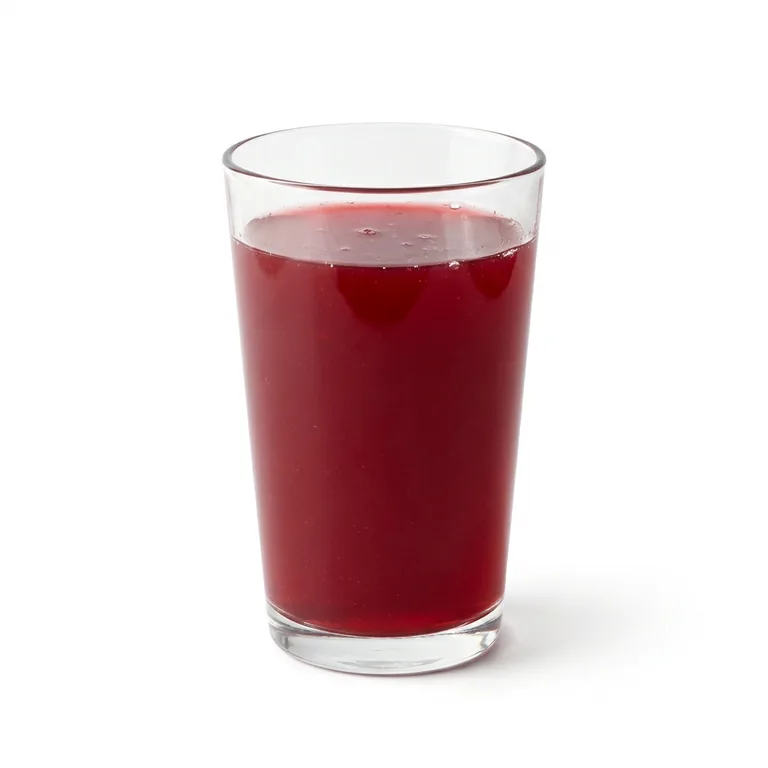
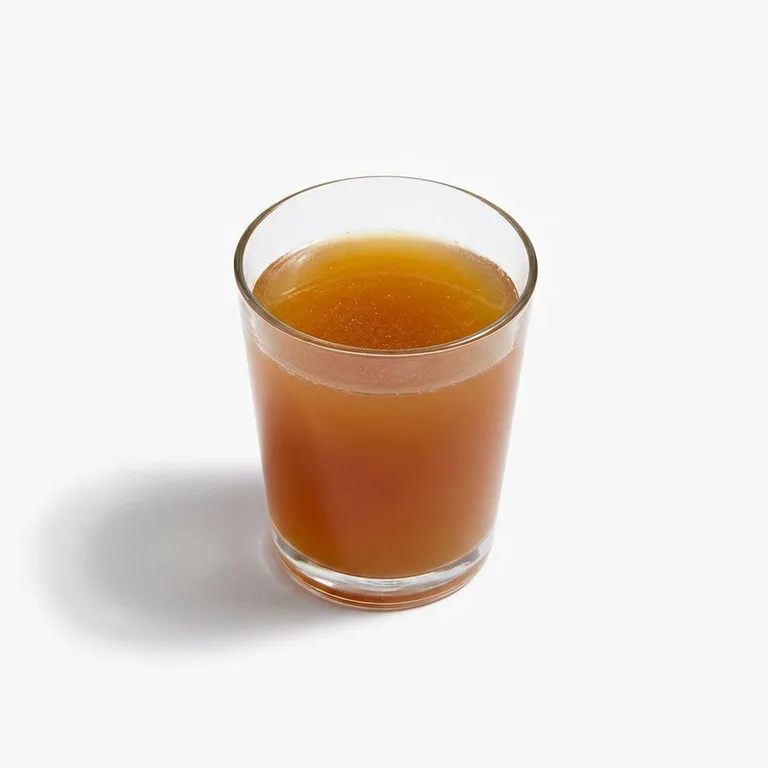
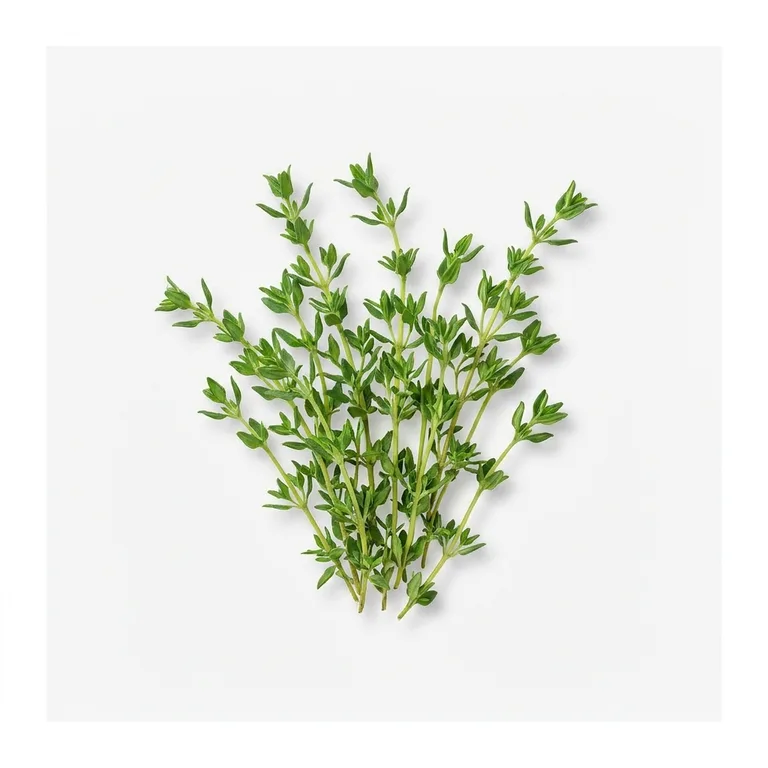
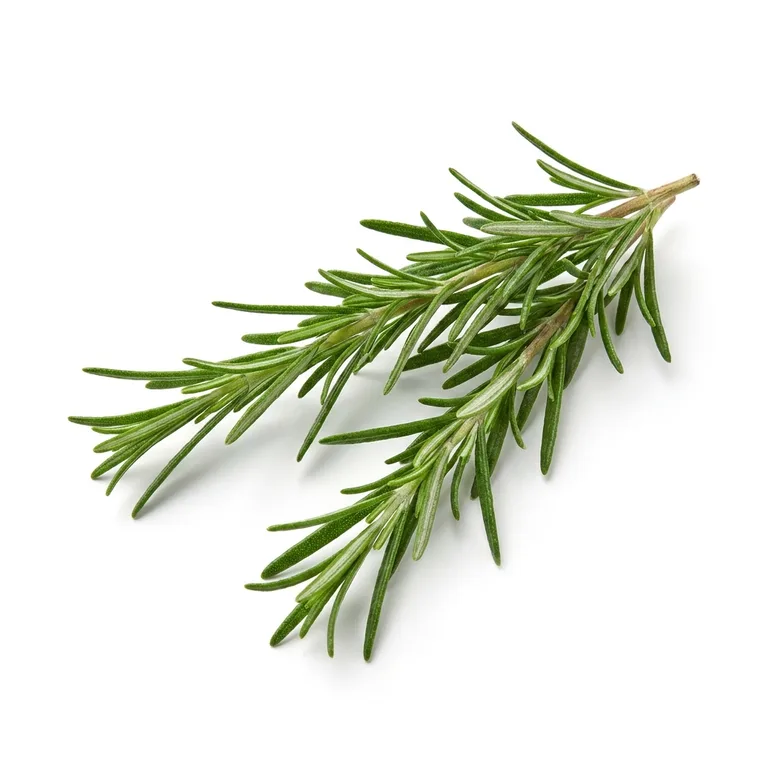
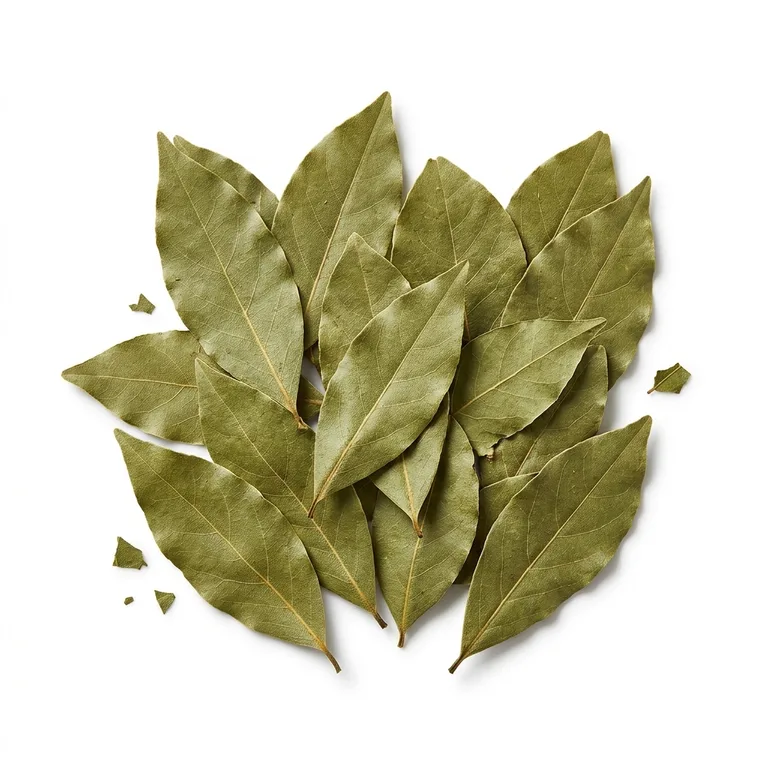
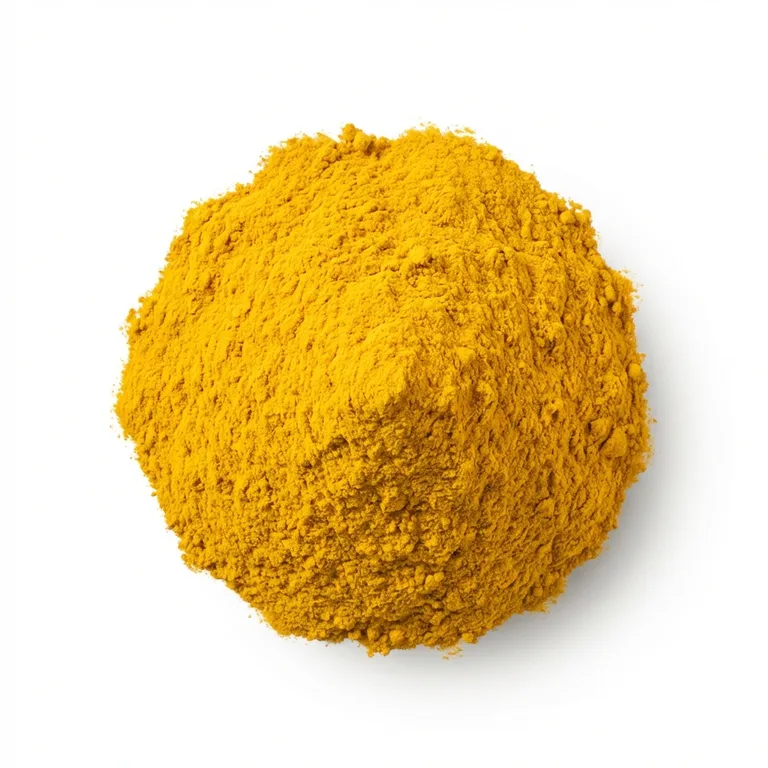
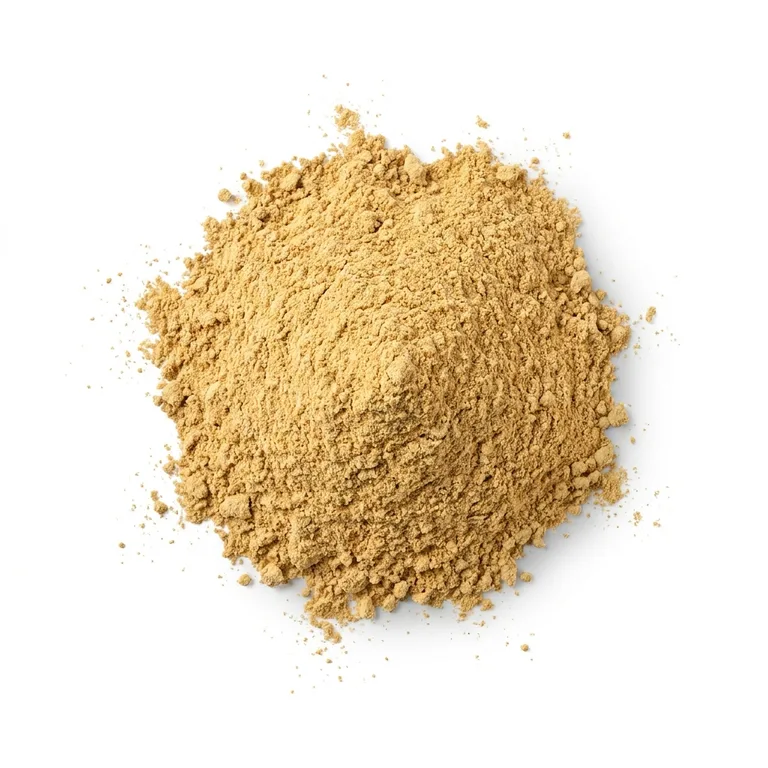
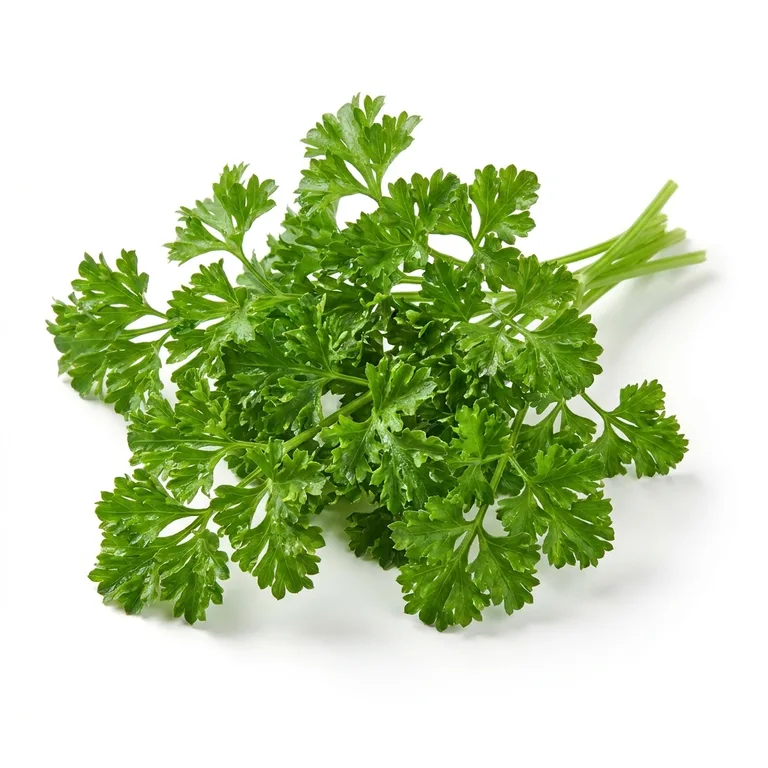
Rich, slow-braised duck is the kind of dish that feels like it belongs in a French countryside kitchen, and this version delivers every bit of that depth without a single ingredient you'd need to second-guess. The duck legs are seared in coconut oil until the skin turns a deep, crackling gold, then nestled into a fragrant braise built from smashed garlic, cremini mushrooms, carrots, celery, and a surprisingly bold combination of pomegranate juice and apple cider vinegar. That fruity acidity cuts right through the richness of the duck fat, while turmeric and ginger add a quiet warmth that makes the whole pot smell incredible. Bone broth, fresh thyme, rosemary, and bay leaves round out the braising liquid into something you'll want to spoon up long after the meat is gone. After nearly two hours of low, gentle cooking, the meat pulls away from the bone with zero effort — the kind of fork-tender result that makes a dish feel genuinely special. For anyone navigating lupin avoidance, this recipe is naturally free of the legume-family flour that sneaks into so many packaged broths, spice blends, and thickeners, because every ingredient here is whole and straightforward. Finish each bowl with a scatter of fresh parsley and you've got a deeply satisfying, no-shortcuts stew that earns its place at any table.
 About Fig
Fig is a food discovery app that helps you find foods and recipes that fit your dietary needs. Whether you have food allergies, intolerances, or follow a specific diet, Fig makes it easy to eat with confidence.
Learn more →4 servings
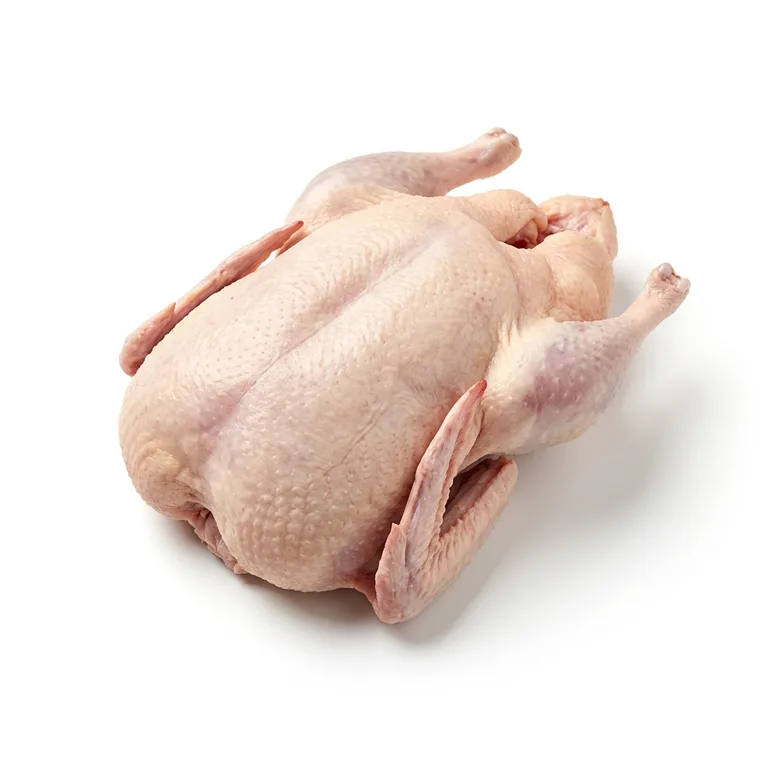
Pat the duck legs thoroughly dry with paper towels and season all over with 1 tsp fine sea salt. Drying the skin is essential for a good sear — wet skin will steam rather than brown.
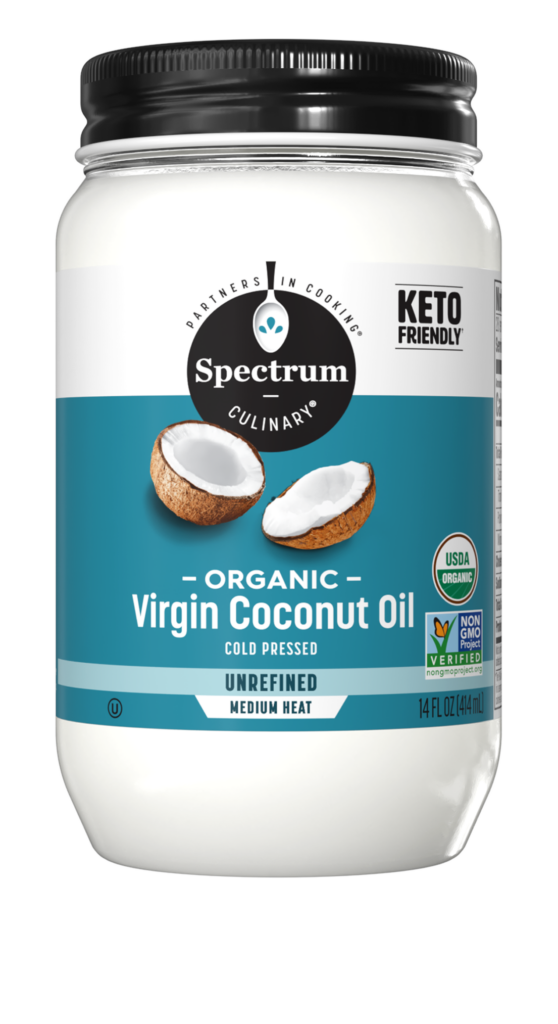
Heat the coconut oil in a Dutch oven over medium-high heat until shimmering. Add the duck legs skin-side down and sear undisturbed for 7–9 minutes, until the skin is deep golden brown and releases easily from the pot. Flip and sear the flesh side for 3 minutes. Transfer the duck legs to a plate and pour off all but about 1 tbsp of the rendered fat, reserving the rest for another use.
Create a Fig account for step-by-step instructions, access to our full recipe library, and more!


 (16k)
(16k)