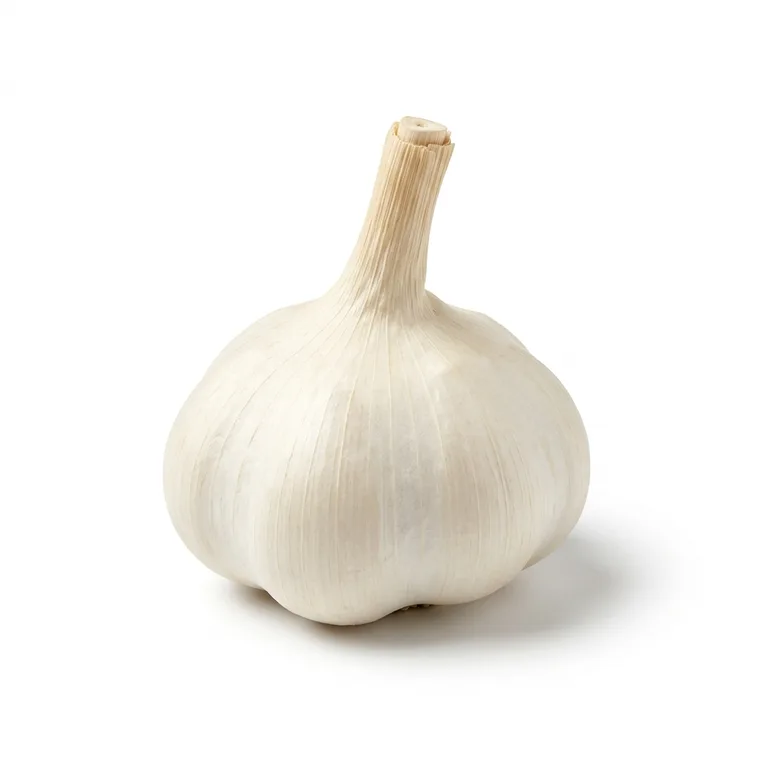
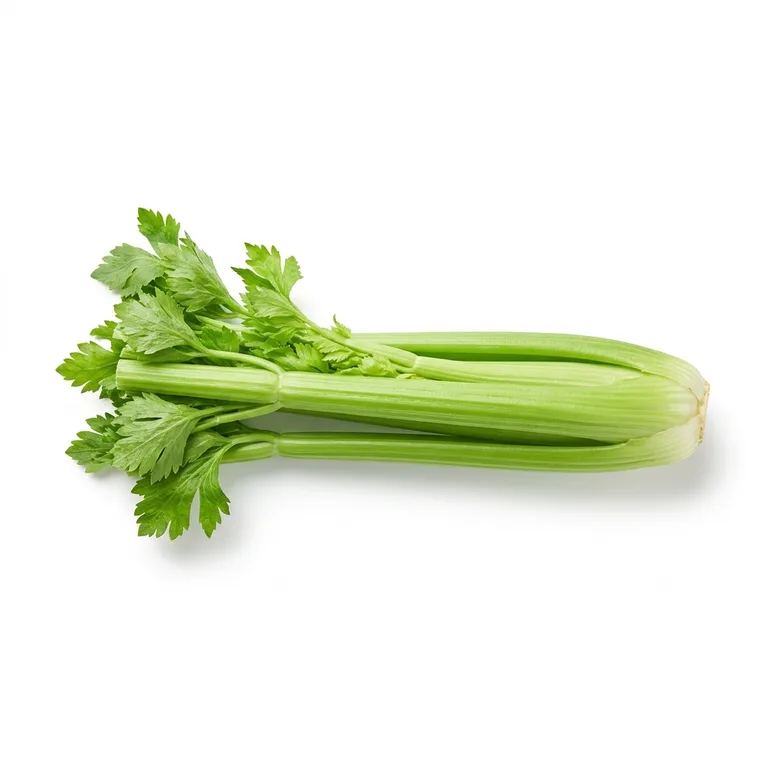
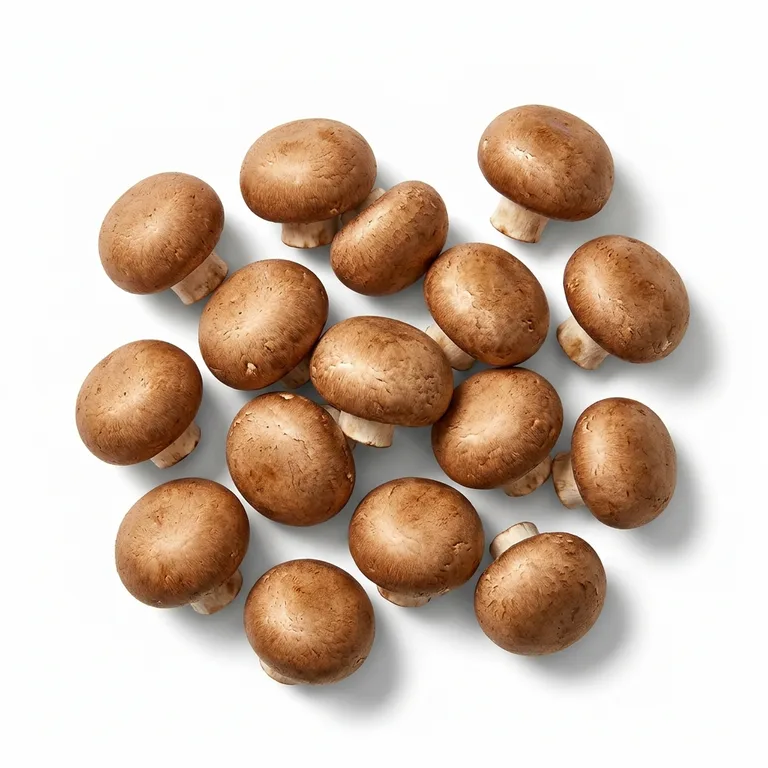
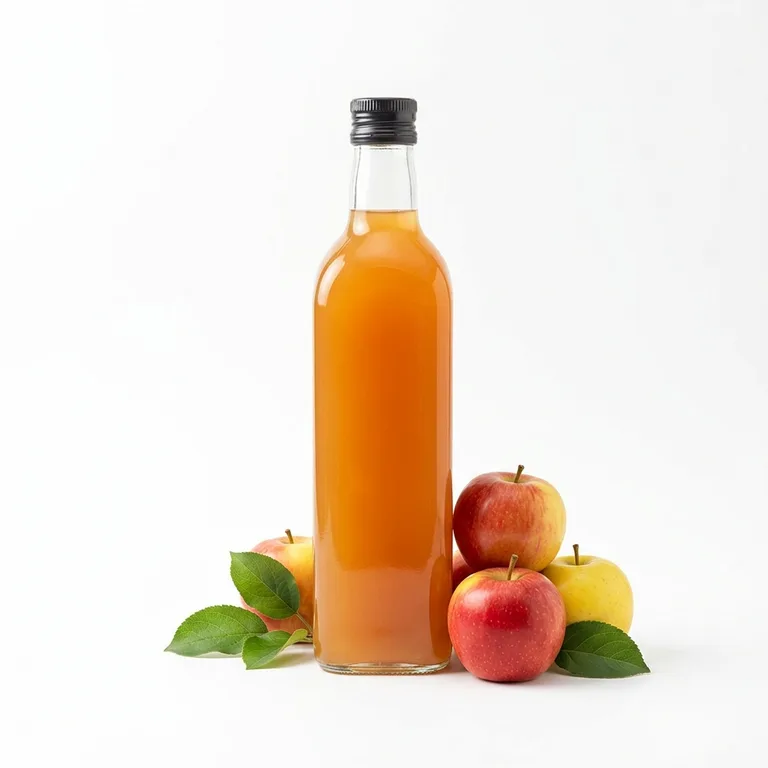
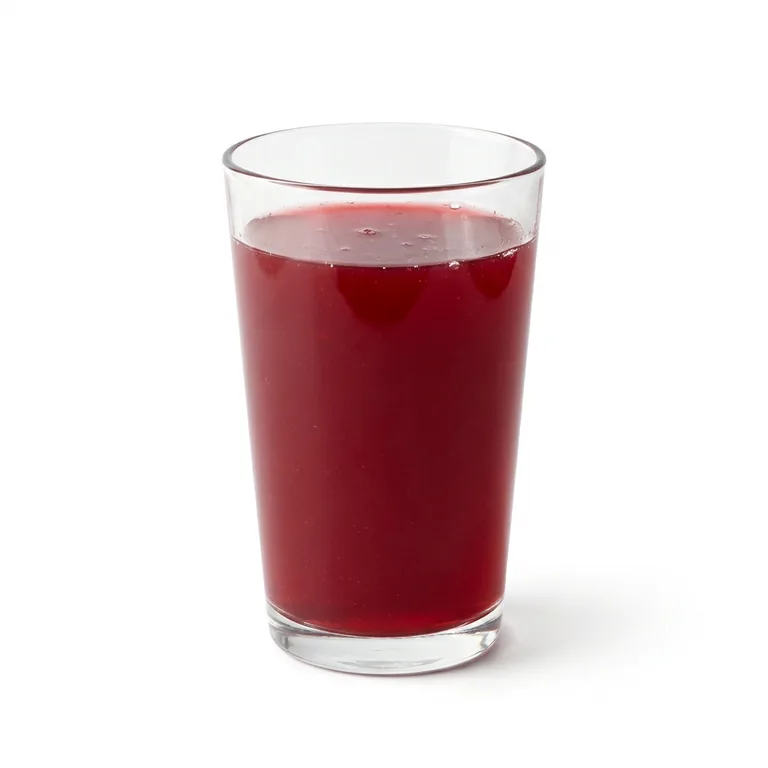
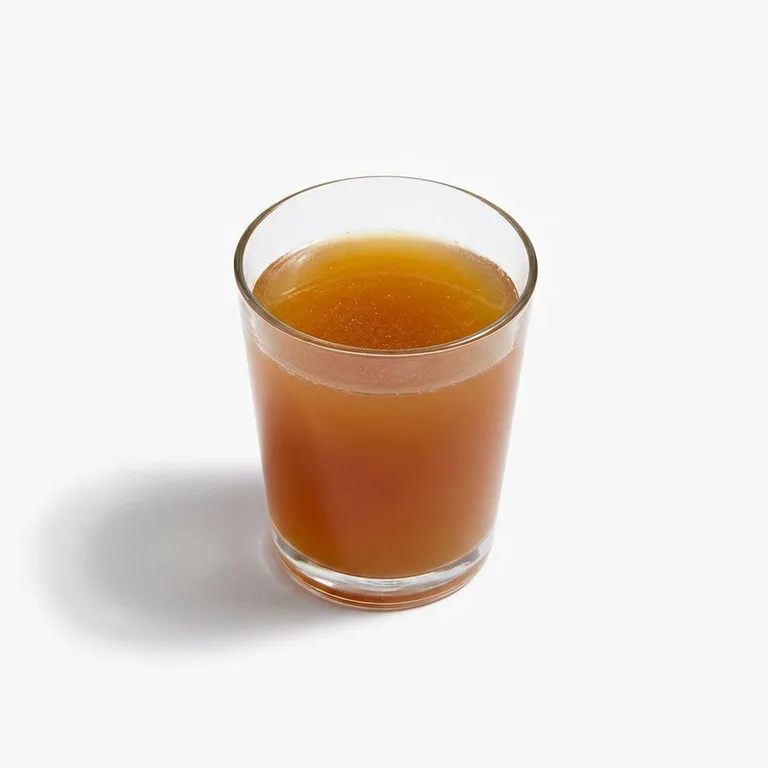
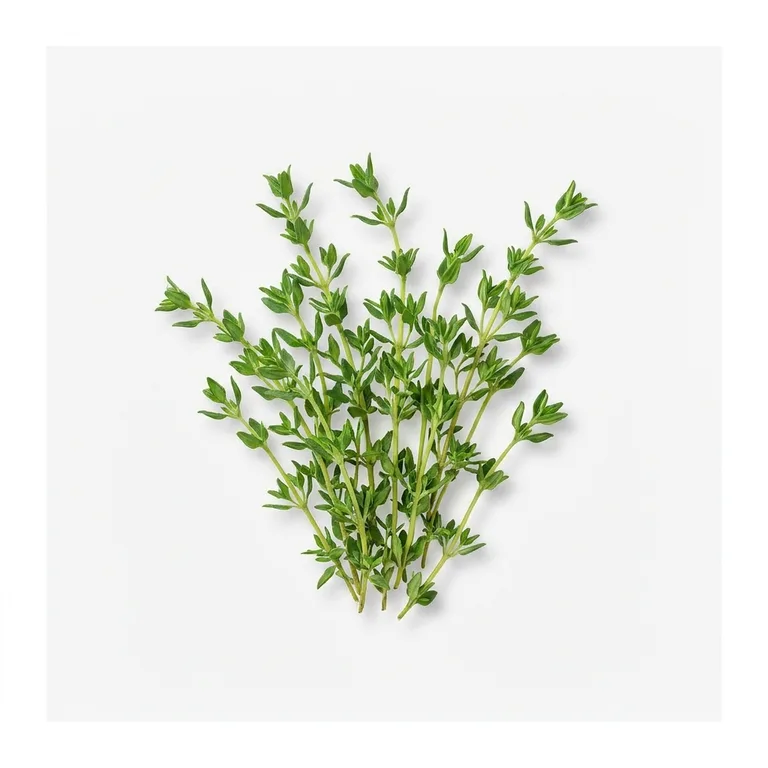
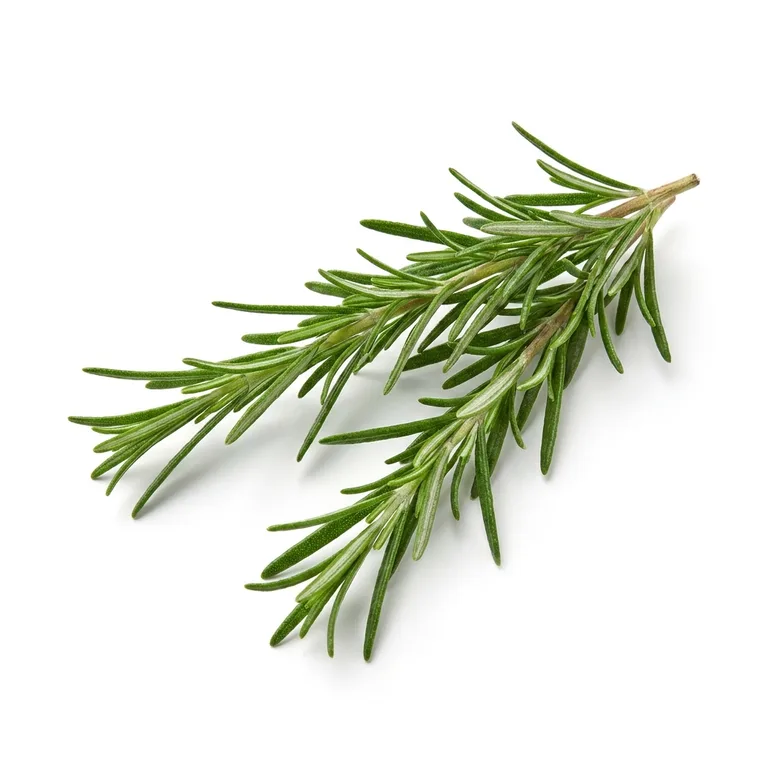
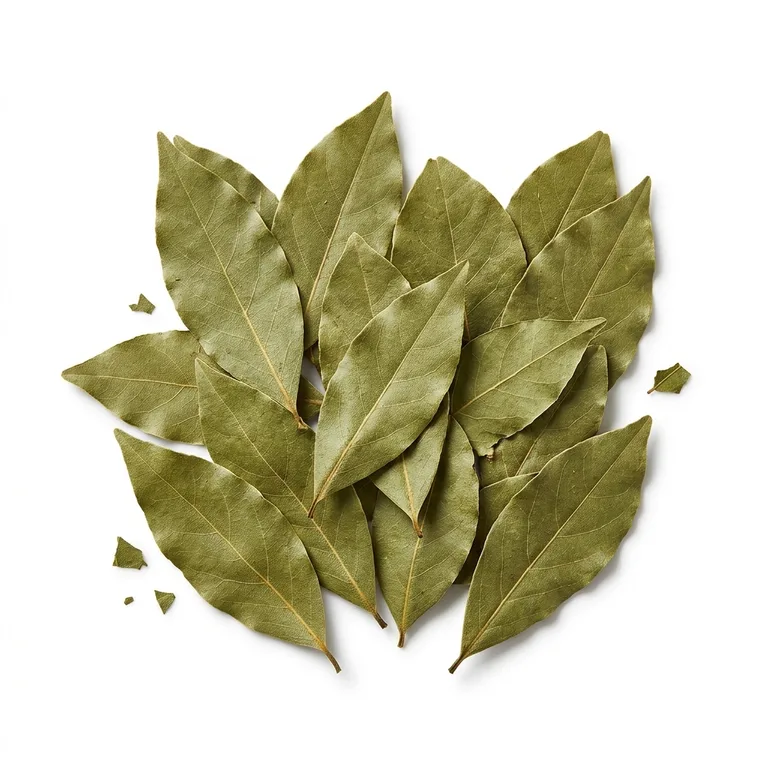
Rich, deeply savory, and built entirely from whole ingredients, this braised duck stew is the kind of cold-weather cooking that makes the whole house smell incredible. Every drop of flavor here comes from real food — smashed garlic, cremini mushrooms, fresh herbs, and a braising liquid built on bone broth, apple cider vinegar, and pomegranate juice — with zero added sweeteners in sight. That splash of pomegranate juice does something quietly brilliant: it adds a gentle tartness and body to the broth without tipping into sweetness, so the final result tastes complex and layered rather than one-note. The duck legs are seared until the skin turns deep golden brown before braising low and slow, which means the fat renders out beautifully and the meat becomes fall-off-the-bone tender over time. Turmeric and ginger round out the aromatics with a subtle warmth that makes the broth feel almost medicinal in the best possible way. If you've ever worried that skipping sugar means sacrificing depth in a braise, this stew is the answer — the mushrooms, the rendered duck fat, and those browned bits scraped from the bottom of the pot do all the heavy lifting. Finish each bowl with a handful of fresh parsley and you've got a genuinely stunning dinner that needs nothing else.
 About Fig
Fig is a food discovery app that helps you find foods and recipes that fit your dietary needs. Whether you have food allergies, intolerances, or follow a specific diet, Fig makes it easy to eat with confidence.
Learn more →4 servings
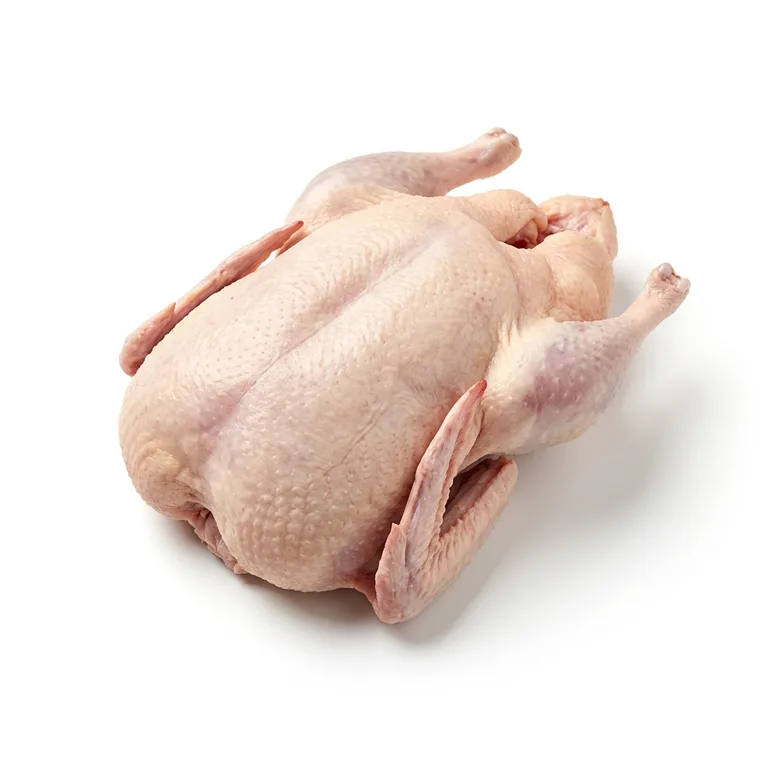
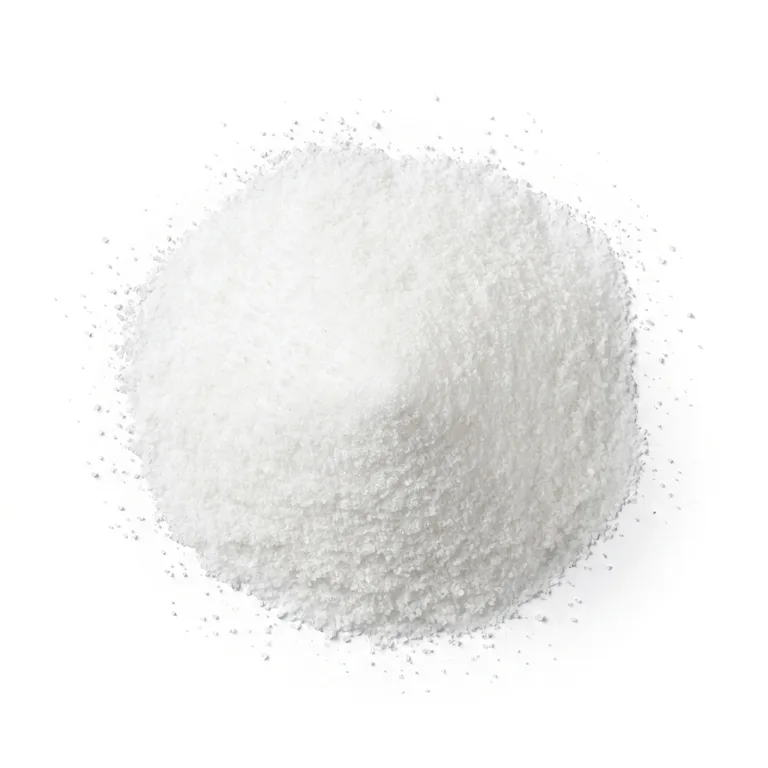
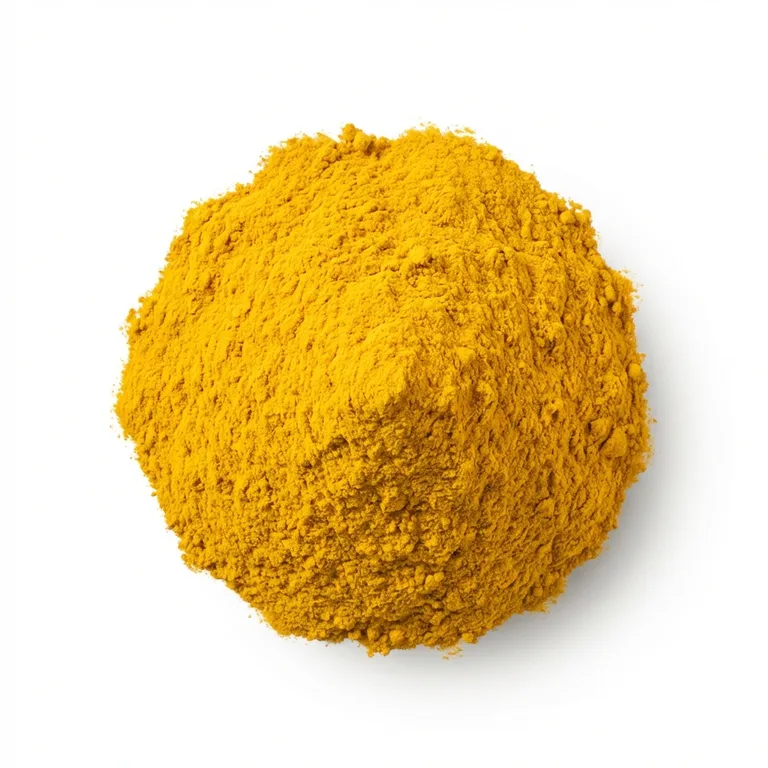
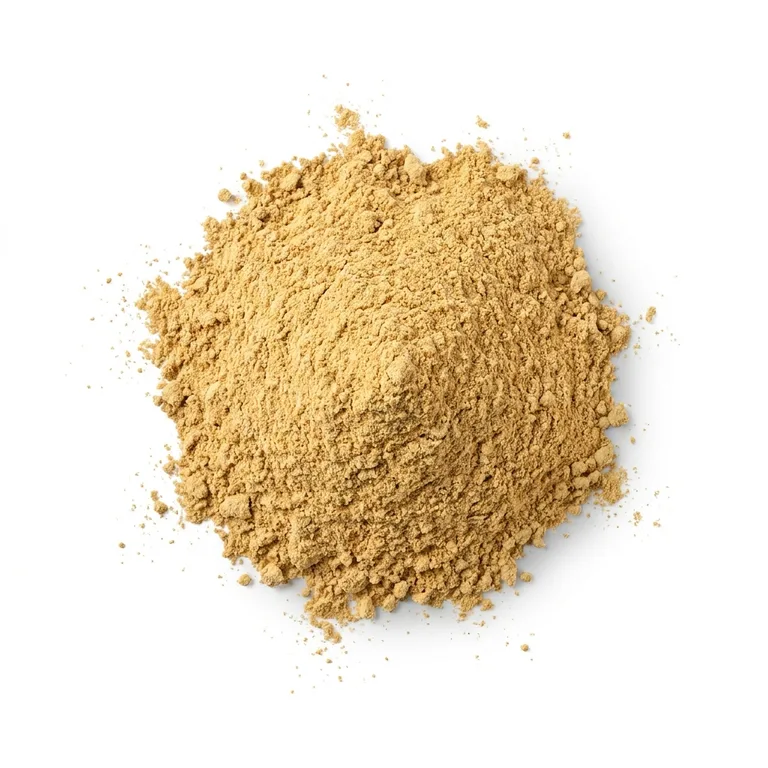
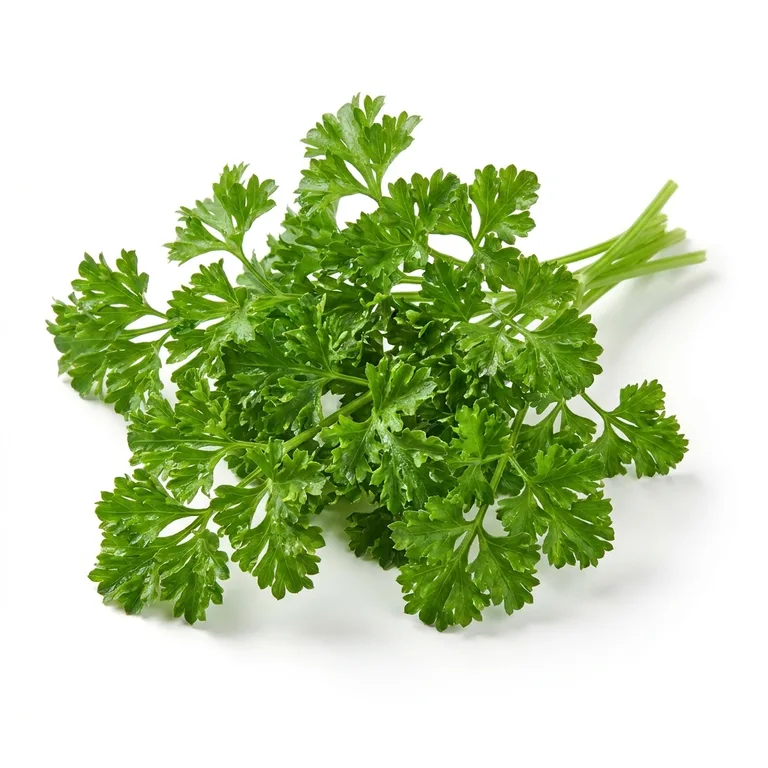
Pat the duck legs thoroughly dry with paper towels and season all over with 1 tsp fine sea salt. Drying the skin is essential for a good sear — wet skin will steam rather than brown.
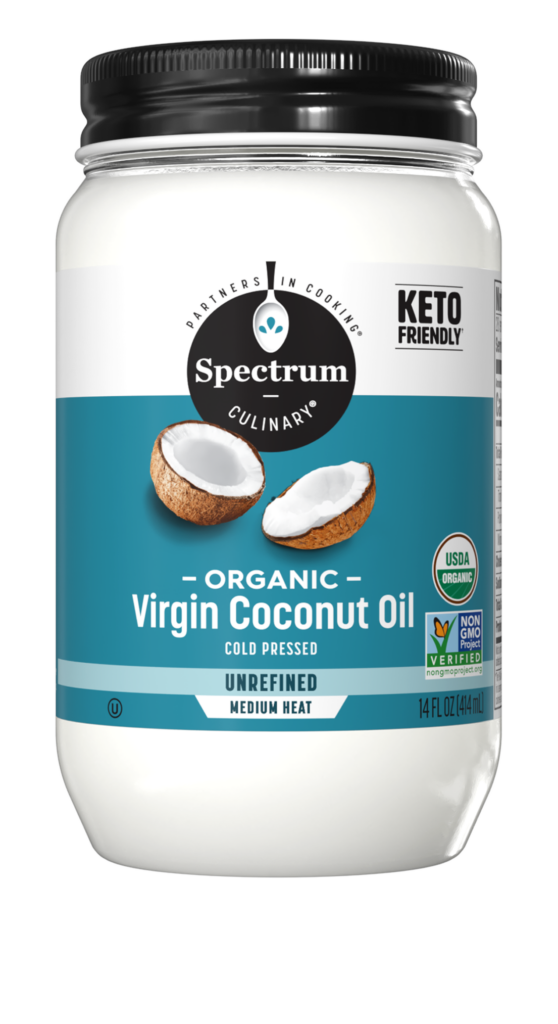
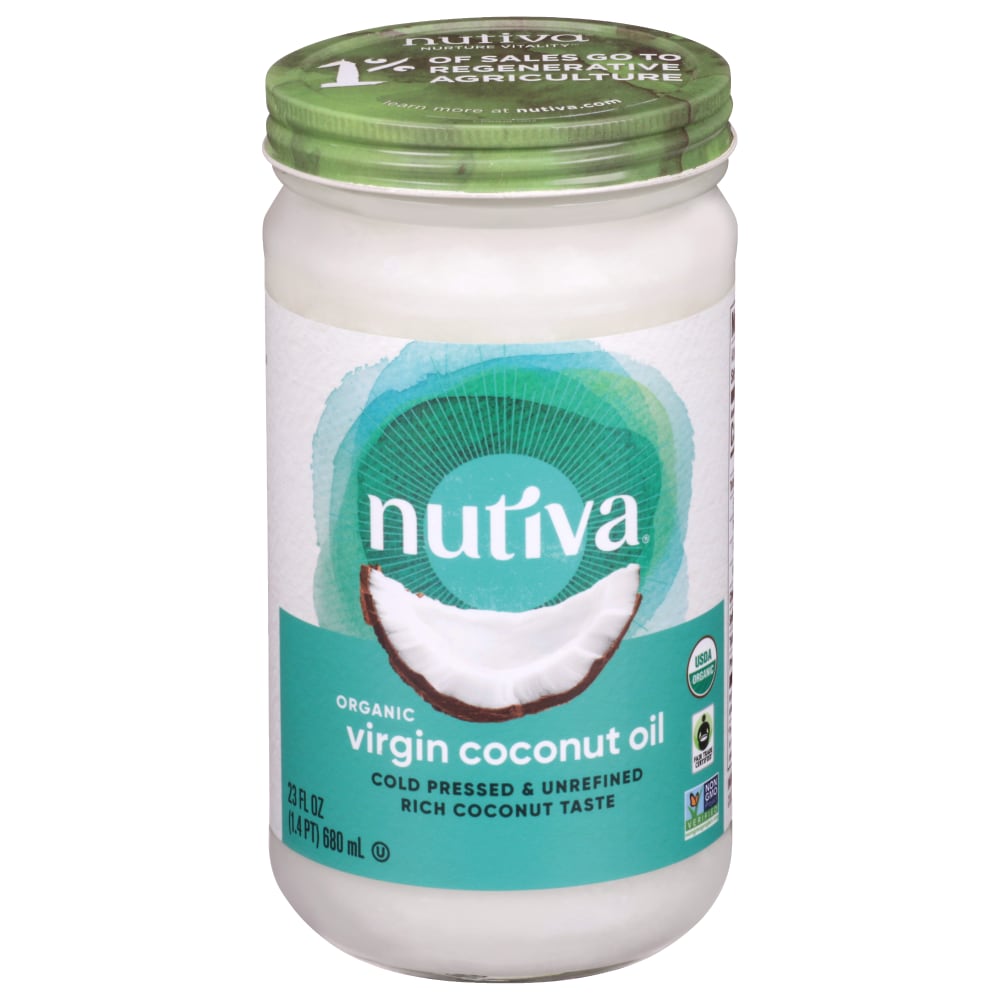
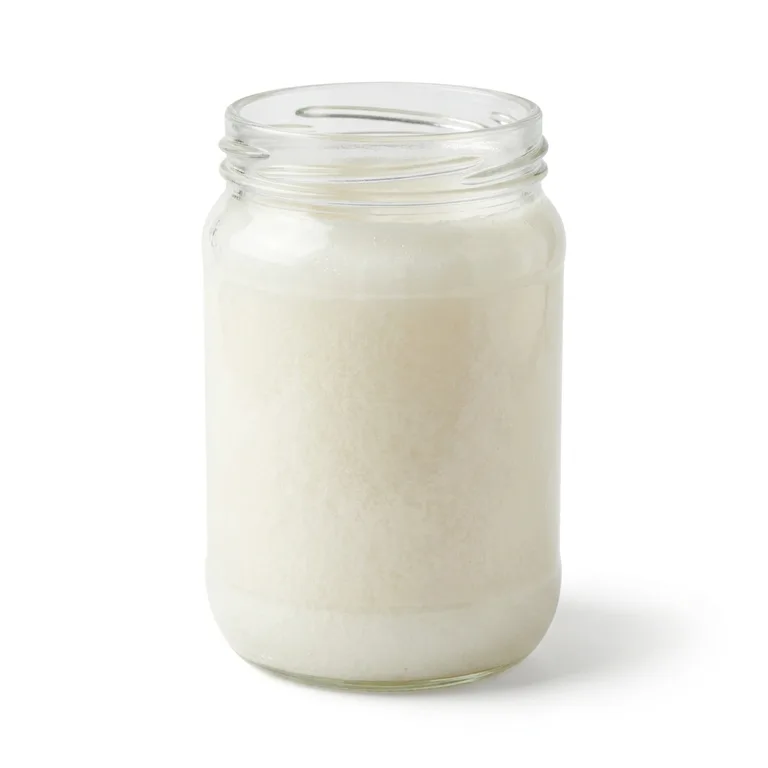
Heat the coconut oil in a Dutch oven over medium-high heat until shimmering. Add the duck legs skin-side down and sear undisturbed for 7–9 minutes, until the skin is deep golden brown and releases easily from the pot. Flip and sear the flesh side for 3 minutes. Transfer the duck legs to a plate and pour off all but about 1 tbsp of the rendered fat, reserving the rest for another use.
Create a Fig account for step-by-step instructions, access to our full recipe library, and more!


 (16k)
(16k)