
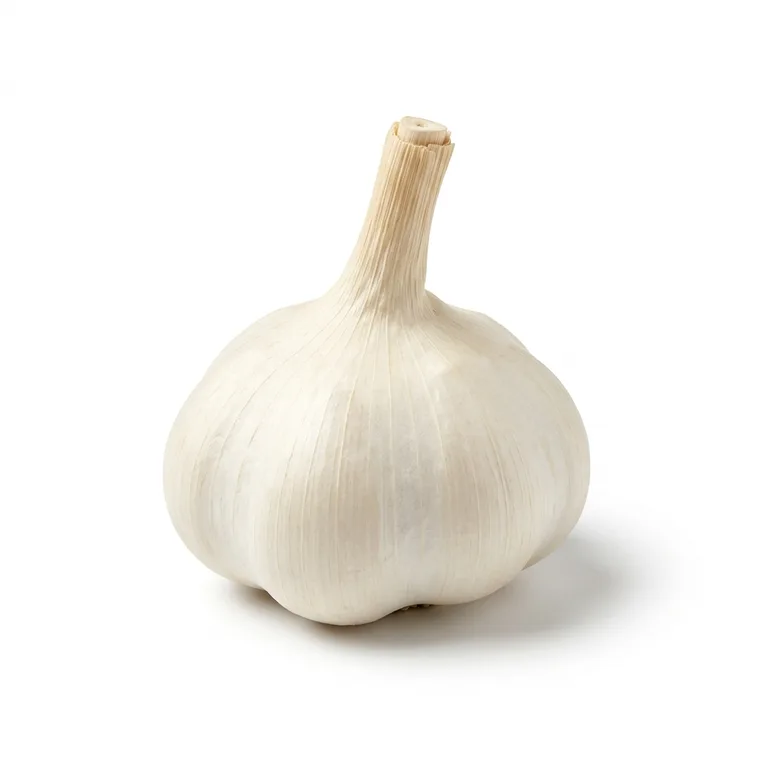
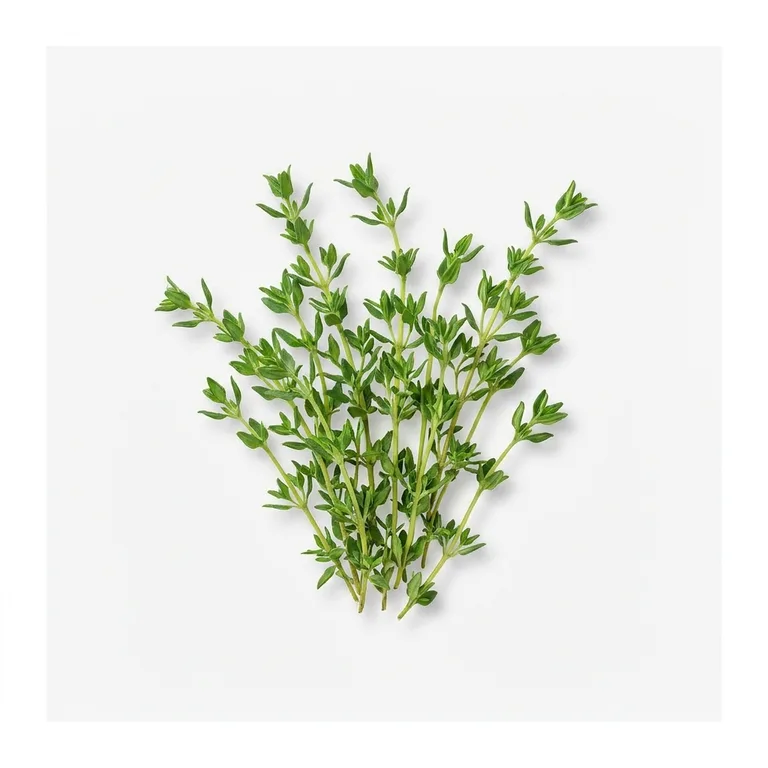
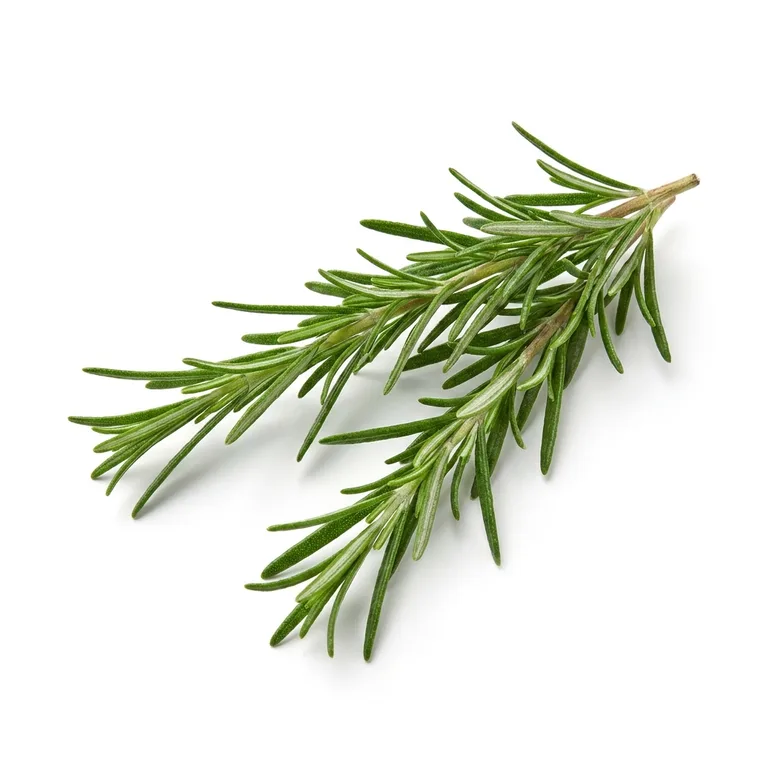
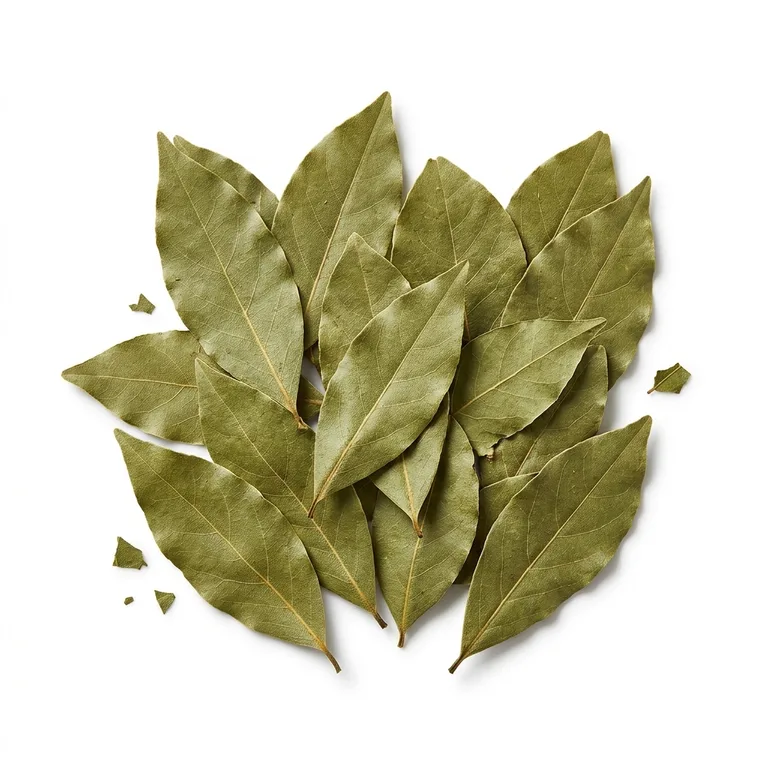
Fermented foods can feel like a gray area during pregnancy, but this homemade version puts you fully in control of every single ingredient and every step of the process. Store-bought sauerkraut often raises questions about pasteurization, added preservatives, or mystery seasonings — making it from scratch removes all of that uncertainty. The recipe uses just cabbage, non-iodized sea salt, garlic, and a handful of fresh herbs, so you know exactly what's going into the jar and onto your plate. Massaging the cabbage until it releases its own natural brine is oddly satisfying, and watching the fermentation develop over a week or two feels genuinely rewarding. The garlic, thyme, rosemary, and bay leaf give the finished kraut a savory, aromatic depth that goes way beyond the plain stuff. It's tangy, crunchy, and deeply flavorful — wonderful alongside roasted proteins, tucked into a grain bowl, or eaten straight from the jar with a fork when no one's looking. A batch keeps in the refrigerator for up to three months, so one afternoon of prep pays off for weeks of gut-friendly, flavor-packed eating.
 About Fig
Fig is a food discovery app that helps you find foods and recipes that fit your dietary needs. Whether you have food allergies, intolerances, or follow a specific diet, Fig makes it easy to eat with confidence.
Learn more →8 servings
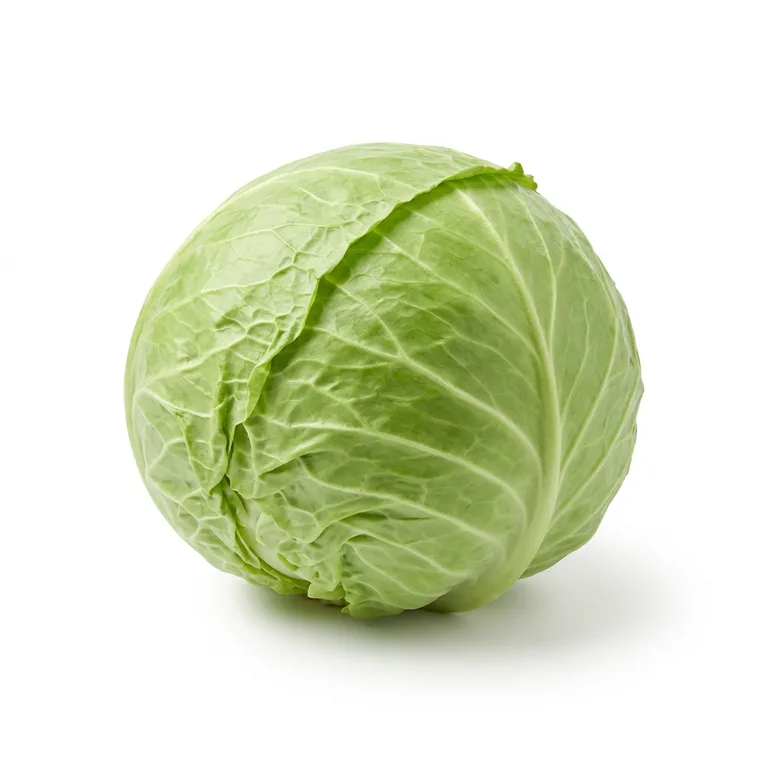
Remove 2–3 outer leaves from the cabbage and set them aside. Quarter the cabbage, remove the core, and shred it as thinly as possible — about 1/8-inch ribbons — using a chef's knife or mandoline.
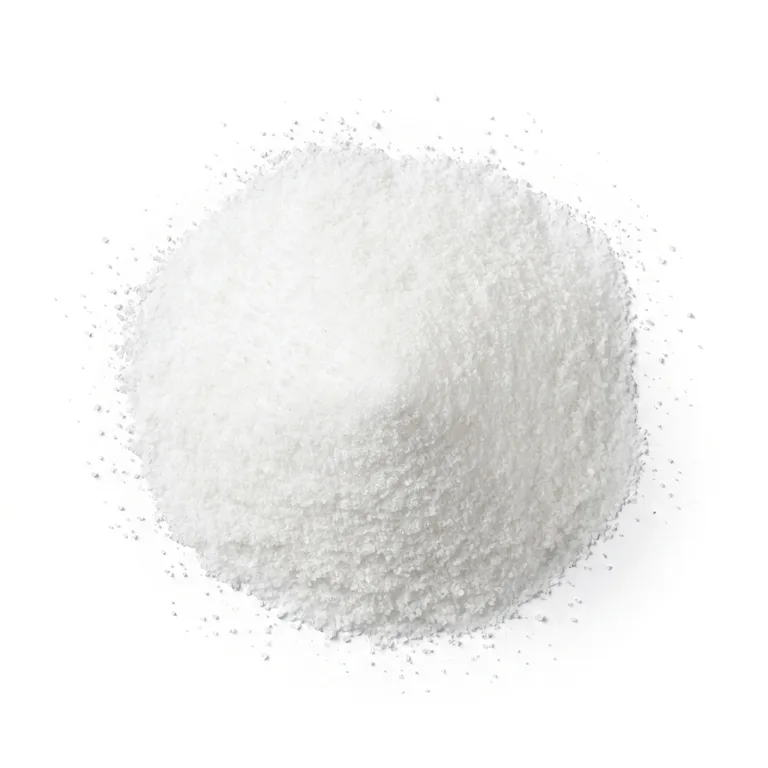
Weigh the shredded cabbage in a large mixing bowl. Add the sea salt at a ratio of 1.5–2% of the cabbage's weight (the 1 tbsp listed is calibrated for 2 lb / 900 g of cabbage). Toss well, then massage and squeeze the cabbage firmly with clean hands for 8–10 minutes, until it releases a significant amount of liquid and the shreds become limp and translucent.
Create a Fig account for step-by-step instructions, access to our full recipe library, and more!


 (16k)
(16k)