
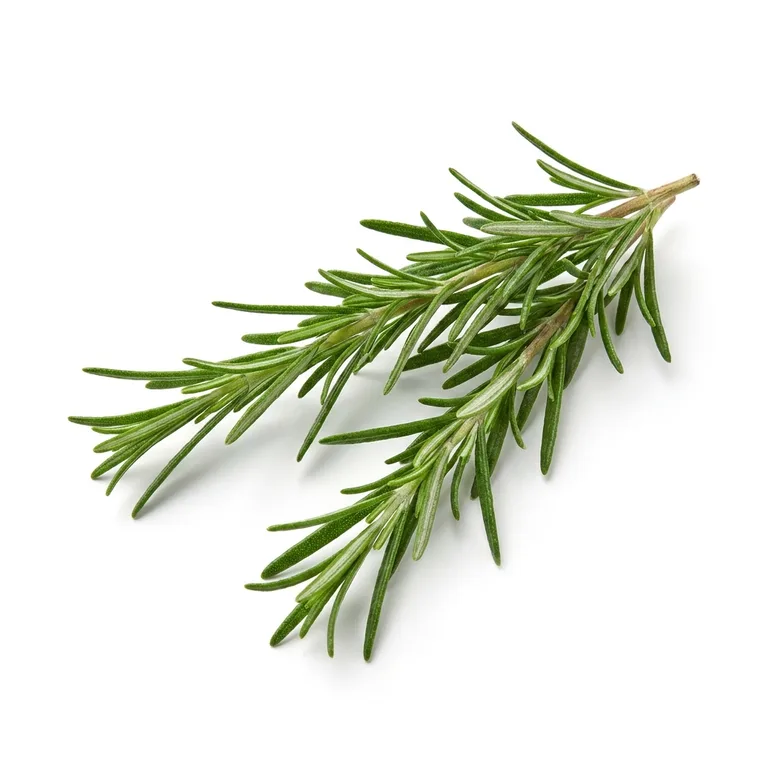
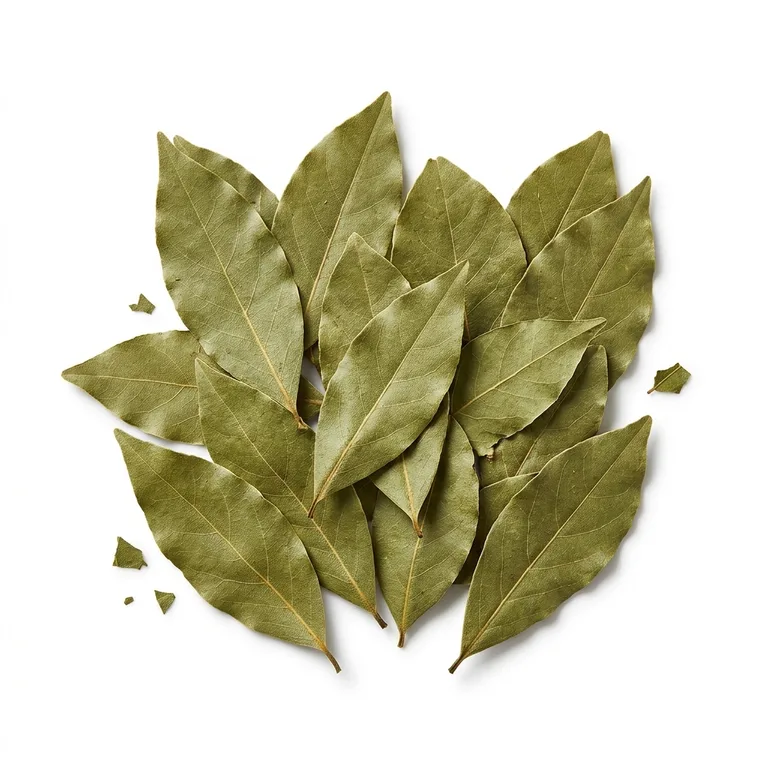
Tangy, garlicky, and fragrant with fresh thyme and rosemary, this fermented kraut is a serious upgrade from anything you'd pull off a grocery store shelf. The whole process relies on nothing but cabbage, sea salt, garlic, and a handful of fresh herbs — completely free of beans, lentils, peas, or any legume-derived ingredients that can sneak into store-bought versions as fillers or flavor additives. Massaging the cabbage until it releases its own brine is the real magic here, creating a natural fermentation environment without any shortcuts. You pack it into mason jars, weigh it down, and let time and beneficial bacteria do the heavy lifting over the course of one to two weeks. Checking in daily during the first few days keeps things on track — just press the cabbage below the brine and skim any foam — and by day five you can start tasting for that perfect sour punch. Once it hits your ideal tanginess, it seals up and keeps in the fridge for up to three months, ready to pile onto grain bowls, roasted meats, or eggs whenever the craving strikes. Homemade fermented foods rarely get this aromatic or this easy.
 About Fig
Fig is a food discovery app that helps you find foods and recipes that fit your dietary needs. Whether you have food allergies, intolerances, or follow a specific diet, Fig makes it easy to eat with confidence.
Learn more →8 servings
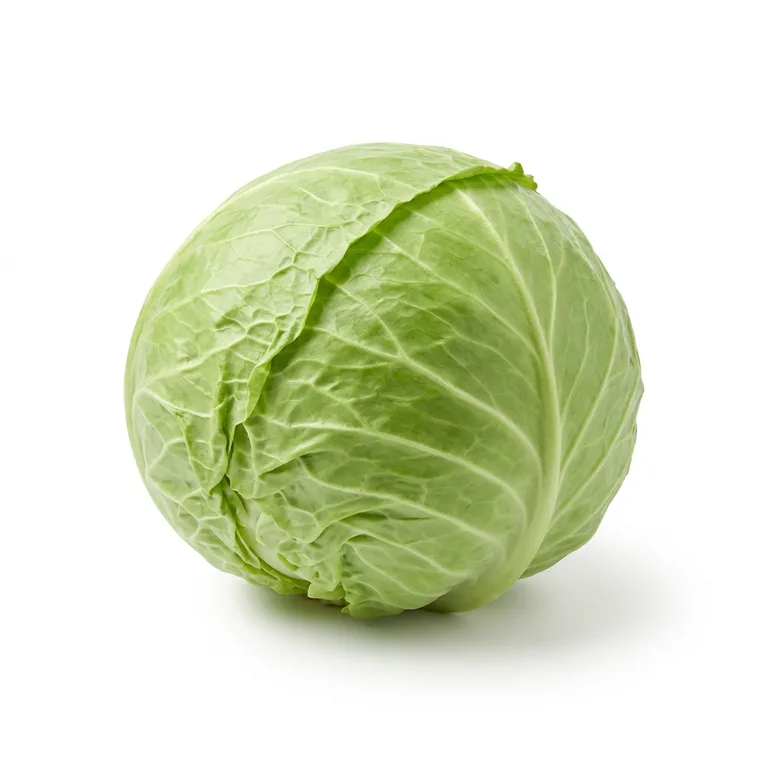
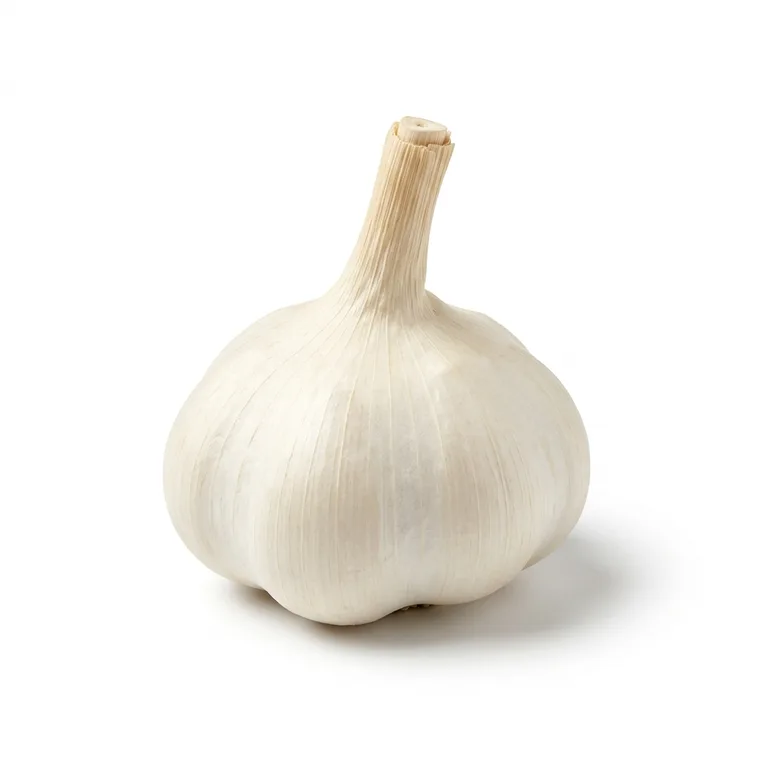
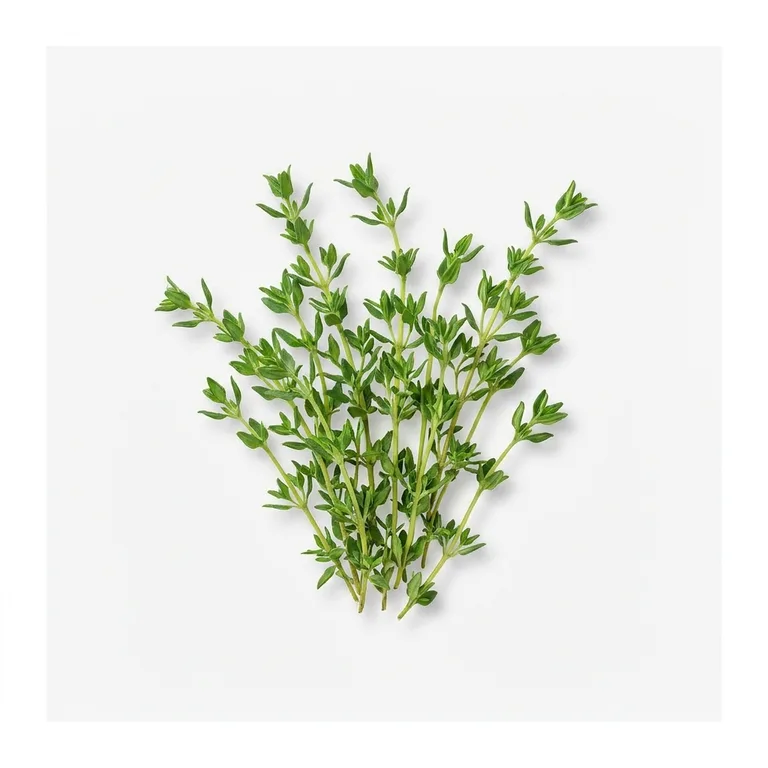
Remove 2–3 outer leaves from the cabbage and set them aside. Quarter the cabbage, remove the core, and shred it as thinly as possible — about 1/8-inch ribbons — using a chef's knife or mandoline.
Weigh the shredded cabbage in a large mixing bowl. Add the sea salt at a ratio of 1.5–2% of the cabbage's weight (the 1 tbsp listed is calibrated for 2 lb / 900 g of cabbage). Toss well, then massage and squeeze the cabbage firmly with clean hands for 8–10 minutes, until it releases a significant amount of liquid and the shreds become limp and translucent.
Create a Fig account for step-by-step instructions, access to our full recipe library, and more!


 (16k)
(16k)