
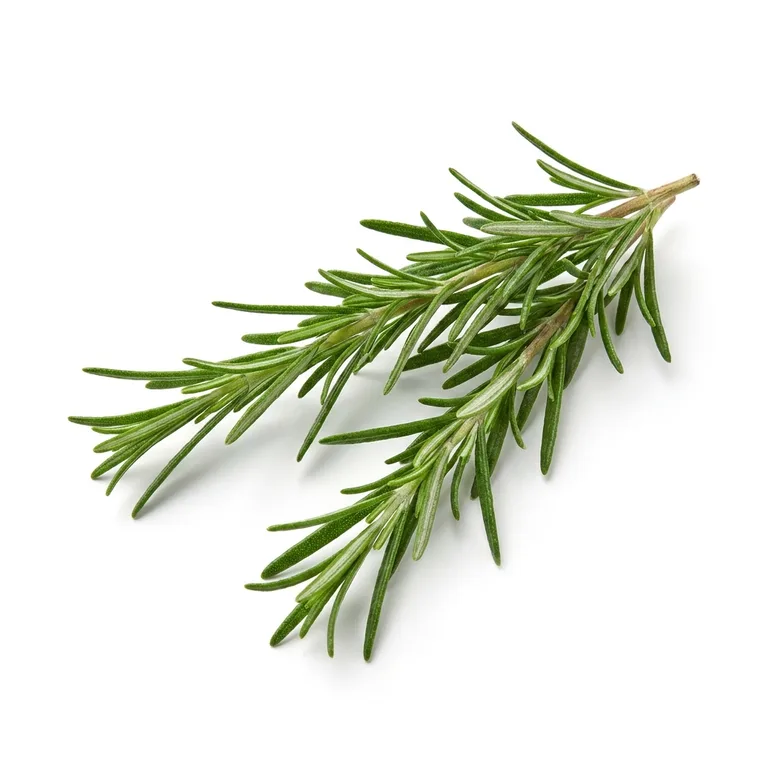
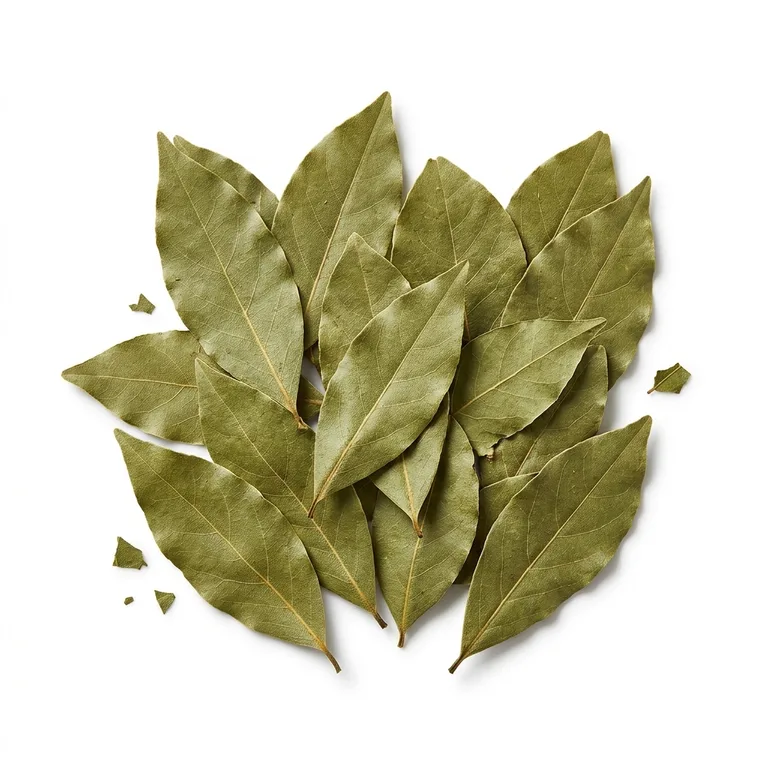
Tangy, garlicky, and fragrant with fresh thyme and rosemary, this fermented kraut is a serious upgrade from anything you'd pull off a grocery store shelf. The whole process is driven by salt and time — no vinegar shortcuts, no dairy of any kind, just cabbage, aromatics, and the natural magic of lacto-fermentation. That makes it a completely safe and delicious option for anyone managing lactose intolerance, since there's nothing here that could trigger a reaction. Massaging the cabbage until it releases its own brine is the key step, and it's genuinely satisfying to watch the transformation happen right in the bowl. Packing the jars tightly and keeping everything submerged below the brine line is what separates a successful batch from a soggy one — the daily check-ins during the first few days keep things on track. By day five you can start tasting, and somewhere between one and two weeks you'll hit that perfect balance of sour, savory, and herby. Pile it on sausages, stir it into grain bowls, or eat it straight from the jar — it's that good.
 About Fig
Fig is a food discovery app that helps you find foods and recipes that fit your dietary needs. Whether you have food allergies, intolerances, or follow a specific diet, Fig makes it easy to eat with confidence.
Learn more →8 servings
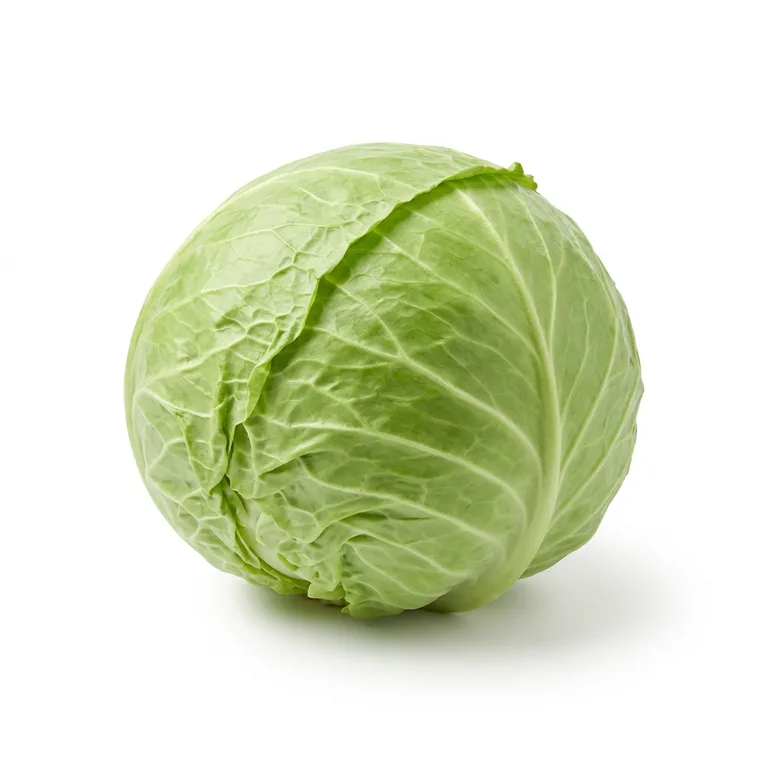
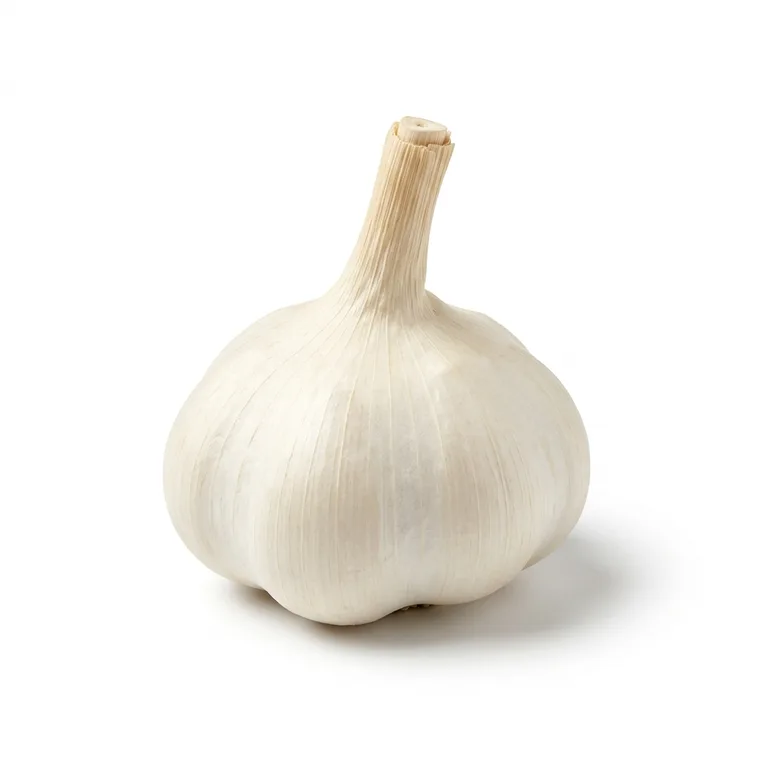
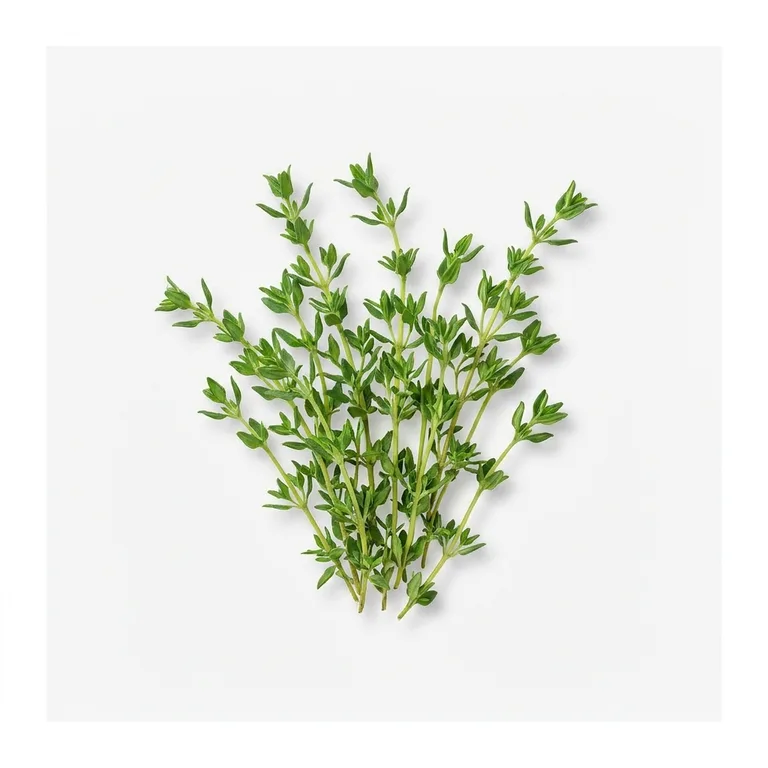
Remove 2–3 outer leaves from the cabbage and set them aside. Quarter the cabbage, remove the core, and shred it as thinly as possible — about 1/8-inch ribbons — using a chef's knife or mandoline.
Weigh the shredded cabbage in a large mixing bowl. Add the sea salt at a ratio of 1.5–2% of the cabbage's weight (the 1 tbsp listed is calibrated for 2 lb / 900 g of cabbage). Toss well, then massage and squeeze the cabbage firmly with clean hands for 8–10 minutes, until it releases a significant amount of liquid and the shreds become limp and translucent.
Create a Fig account for step-by-step instructions, access to our full recipe library, and more!


 (16k)
(16k)