
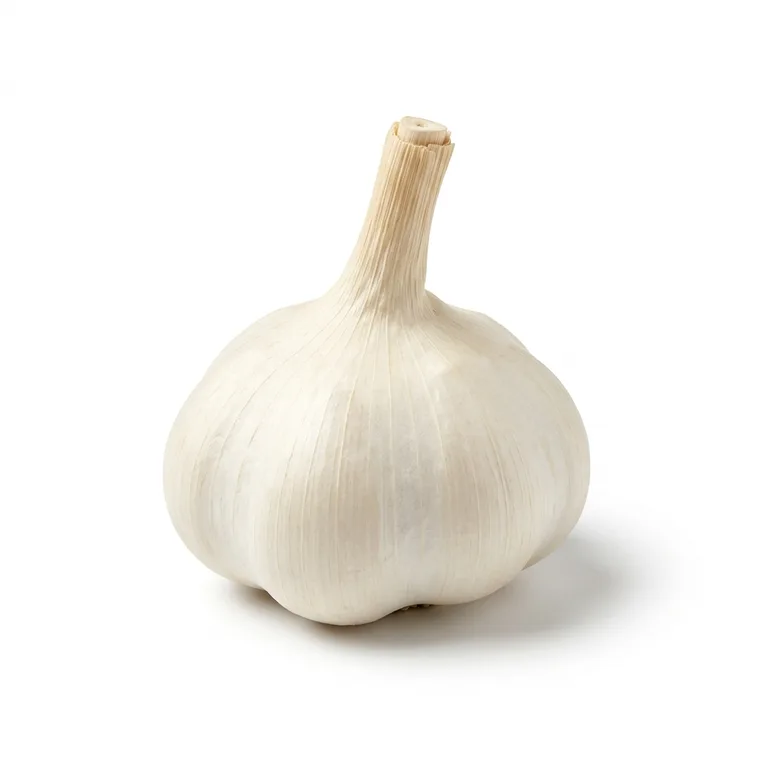
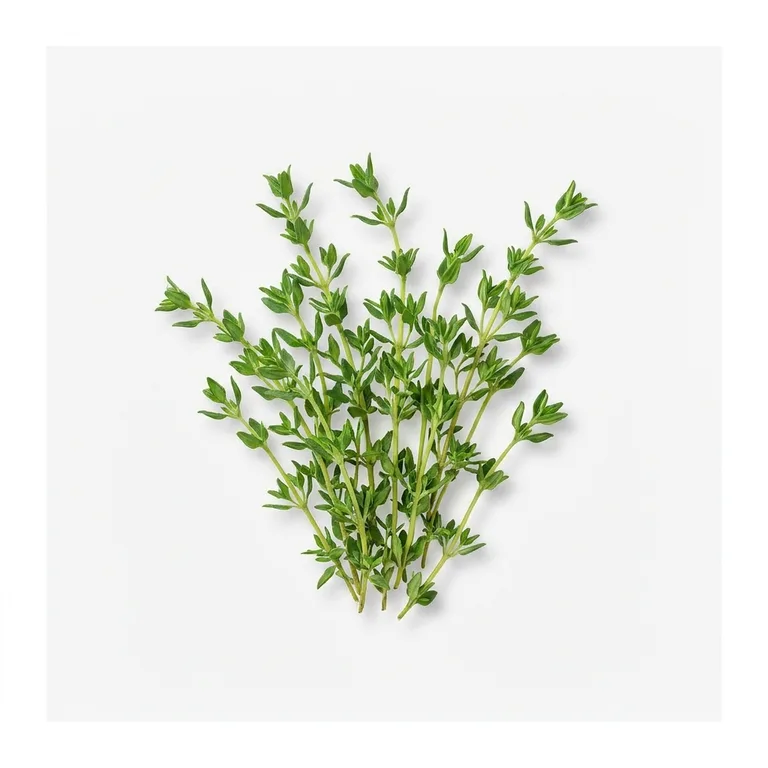
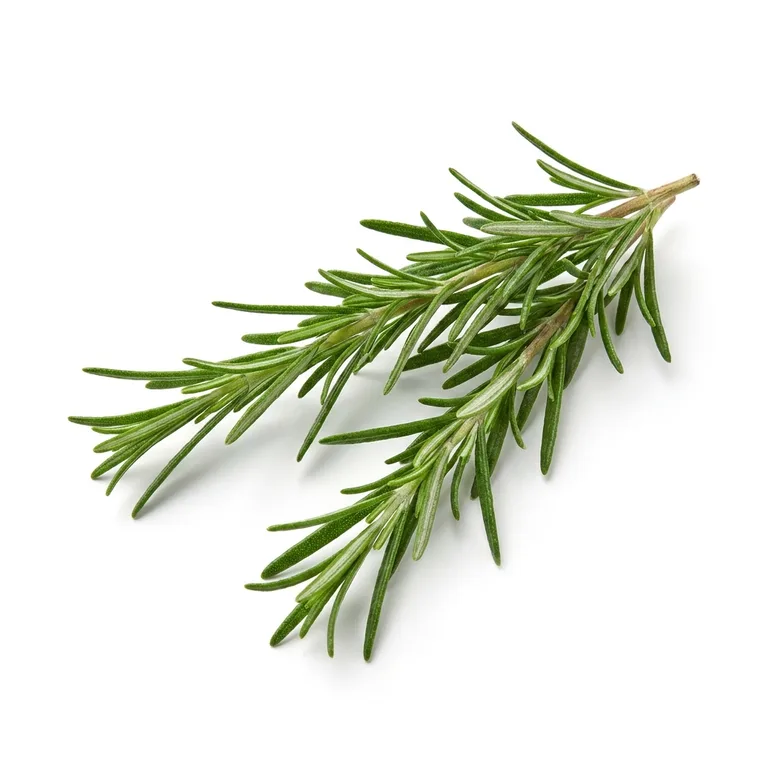
Fermented foods can be a minefield when you're watching fructose intake, but this homemade kraut keeps things beautifully simple — just cabbage, salt, garlic, and a handful of fresh herbs. The slow lacto-fermentation process actually breaks down much of the natural sugar in the cabbage over those 7 to 14 days, making it far gentler on digestion than raw versions or store-bought products loaded with additives. Rosemary, thyme, and thinly sliced garlic weave through every ribbon of cabbage, turning a humble jar of fermented greens into something genuinely aromatic and crave-worthy. The technique is low-effort in the best way — most of the work is done by salt and time, with just a few minutes of daily checking to keep things on track. Making it yourself also means you control every single ingredient, so there are no hidden sweeteners, fruit-based vinegars, or mystery preservatives to second-guess. Pile it onto grilled meats, stir it into grain bowls, or eat it straight from the jar — it's tangy, savory, and deeply satisfying in a way that feels almost too easy for how good it tastes.
 About Fig
Fig is a food discovery app that helps you find foods and recipes that fit your dietary needs. Whether you have food allergies, intolerances, or follow a specific diet, Fig makes it easy to eat with confidence.
Learn more →8 servings
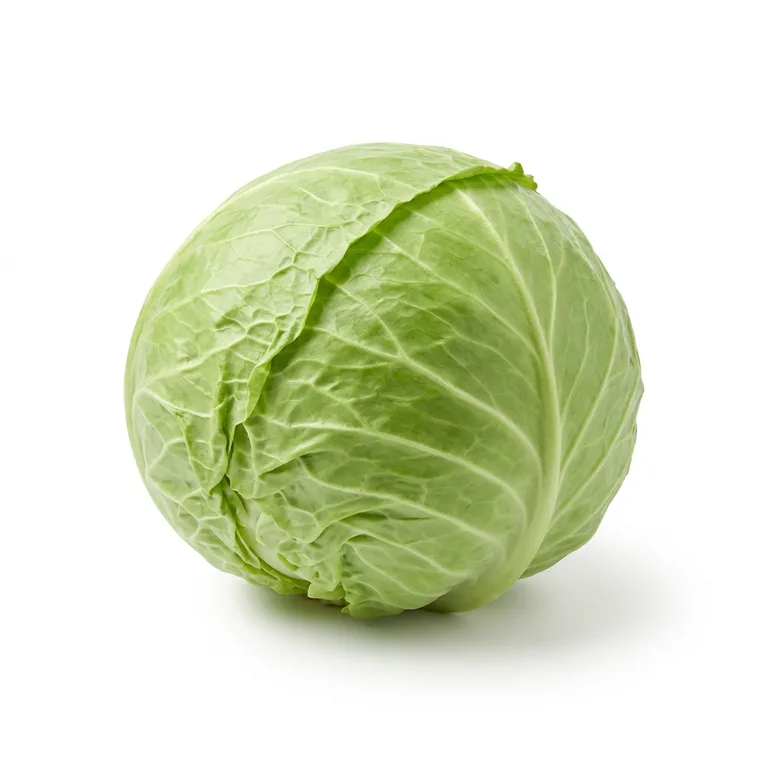
Remove 2–3 outer leaves from the cabbage and set them aside. Quarter the cabbage, remove the core, and shred it as thinly as possible — about 1/8-inch ribbons — using a chef's knife or mandoline.
Weigh the shredded cabbage in a large mixing bowl. Add the sea salt at a ratio of 1.5–2% of the cabbage's weight (the 1 tbsp listed is calibrated for 2 lb / 900 g of cabbage). Toss well, then massage and squeeze the cabbage firmly with clean hands for 8–10 minutes, until it releases a significant amount of liquid and the shreds become limp and translucent.
Create a Fig account for step-by-step instructions, access to our full recipe library, and more!


 (16k)
(16k)