
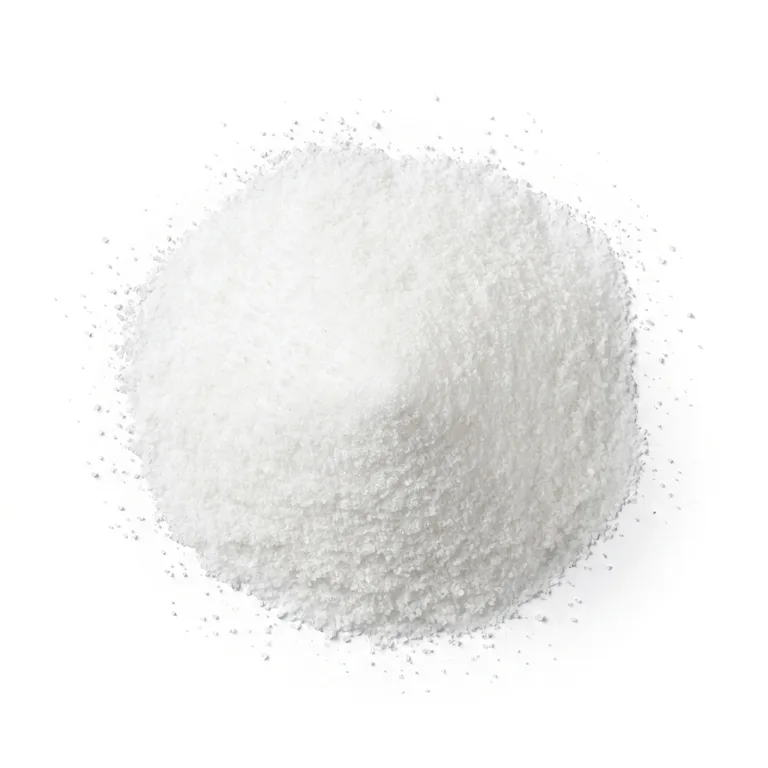
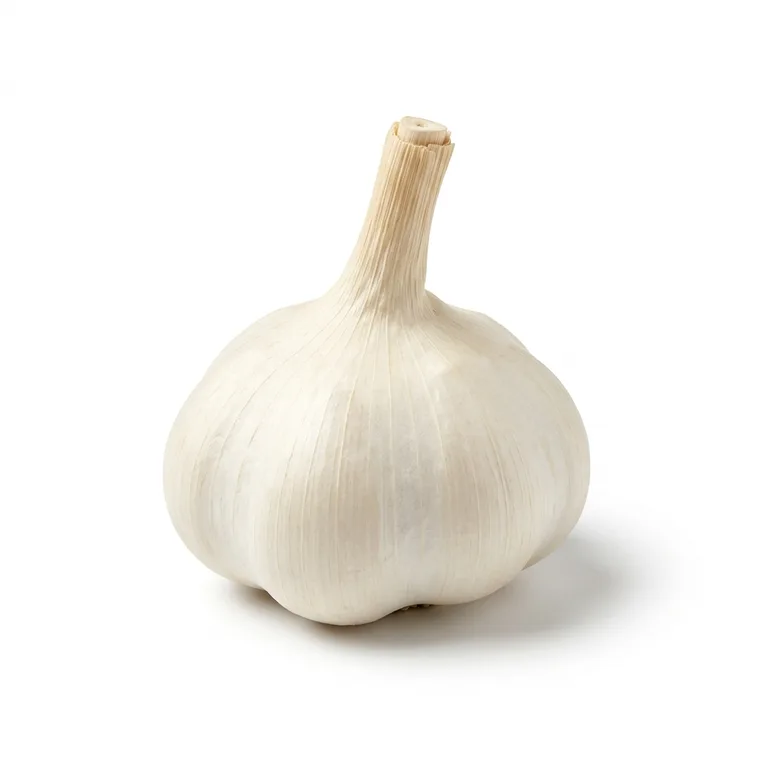
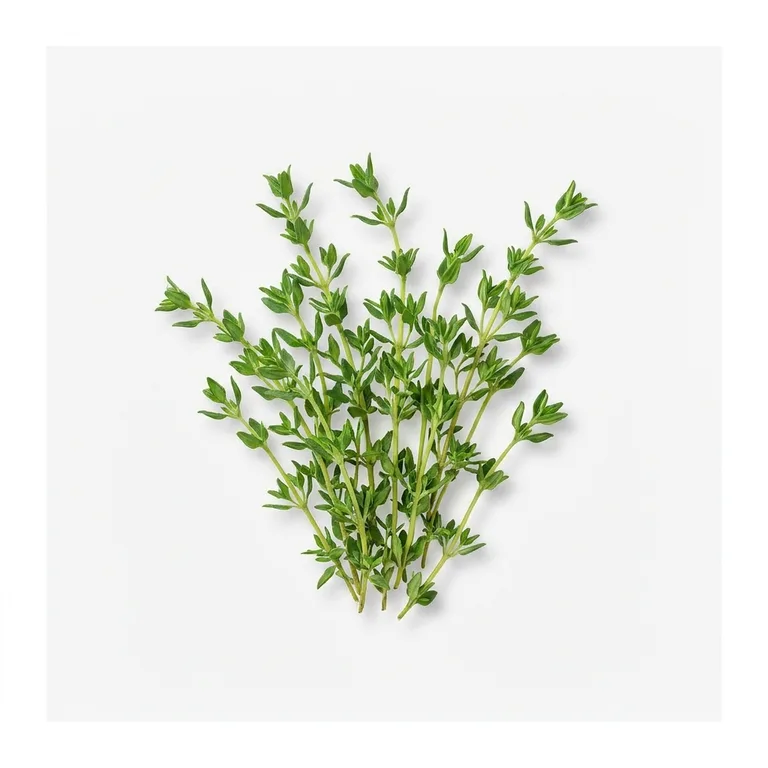
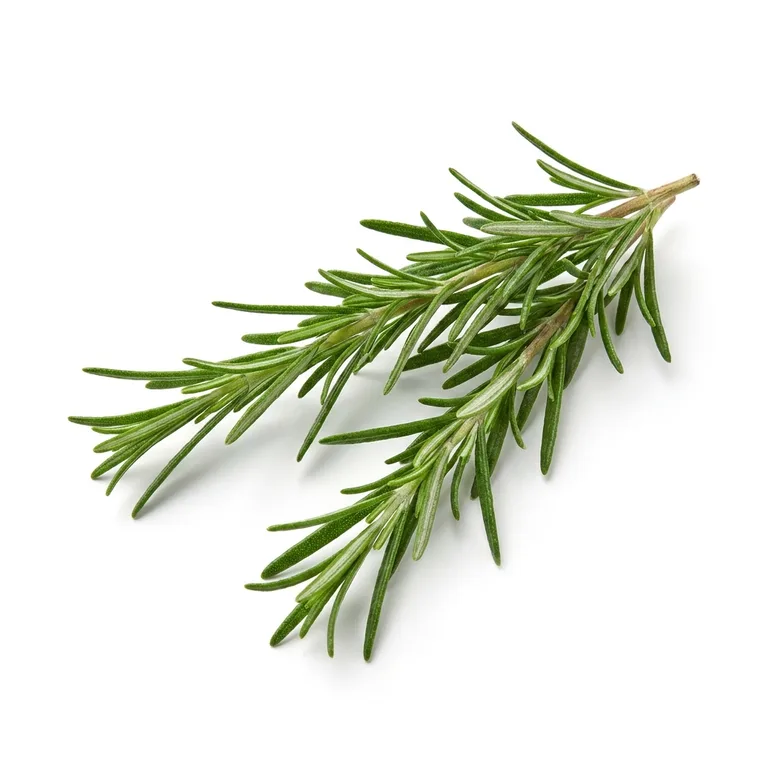
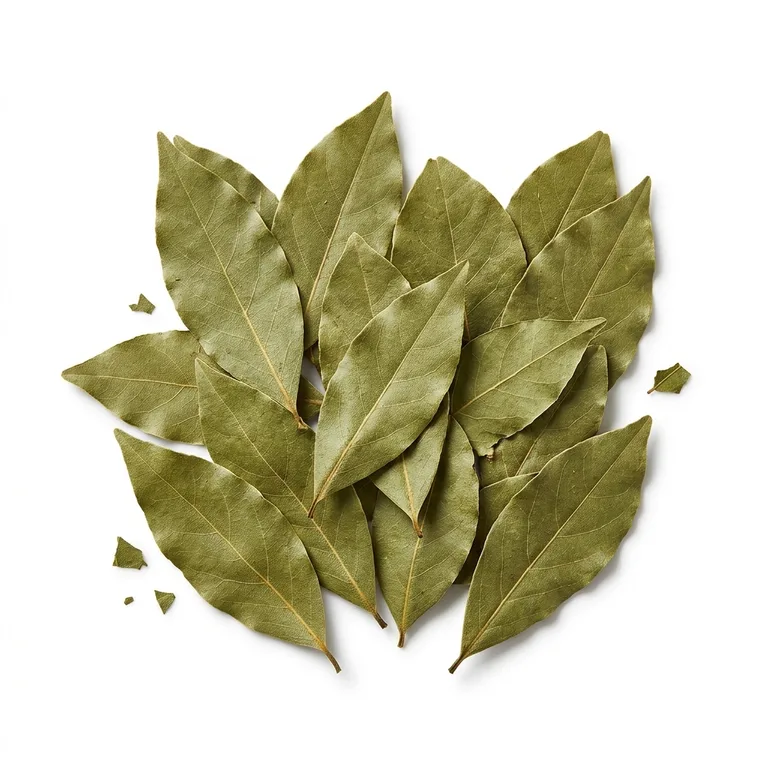
Fermented foods can feel off-limits when you're navigating a restricted ingredient list, but this sauerkraut is built from just a handful of clean, whole-food ingredients — cabbage, sea salt, garlic, and fresh herbs. There are no vinegars, no preservatives, no mystery additives, and nothing that typically triggers the inflammation associated with eosinophilic esophagitis. The fermentation happens naturally, driven entirely by the salt and the cabbage's own wild bacteria, so what ends up in the jar is exactly what you put in. Shredding the cabbage thin and massaging it thoroughly is the real technique here — it draws out enough natural brine to keep everything submerged and fermenting safely without any shortcuts. The garlic, thyme, rosemary, and bay leaf infuse a deeply savory, aromatic flavor that makes this taste far more complex than the ingredient list suggests. After a week or two on the counter, you'll have a tangy, crunchy condiment that's genuinely exciting to eat alongside simple proteins or tucked into a safe grain bowl. It keeps in the fridge for up to three months, so one batch goes a long way.
 About Fig
Fig is a food discovery app that helps you find foods and recipes that fit your dietary needs. Whether you have food allergies, intolerances, or follow a specific diet, Fig makes it easy to eat with confidence.
Learn more →8 servings
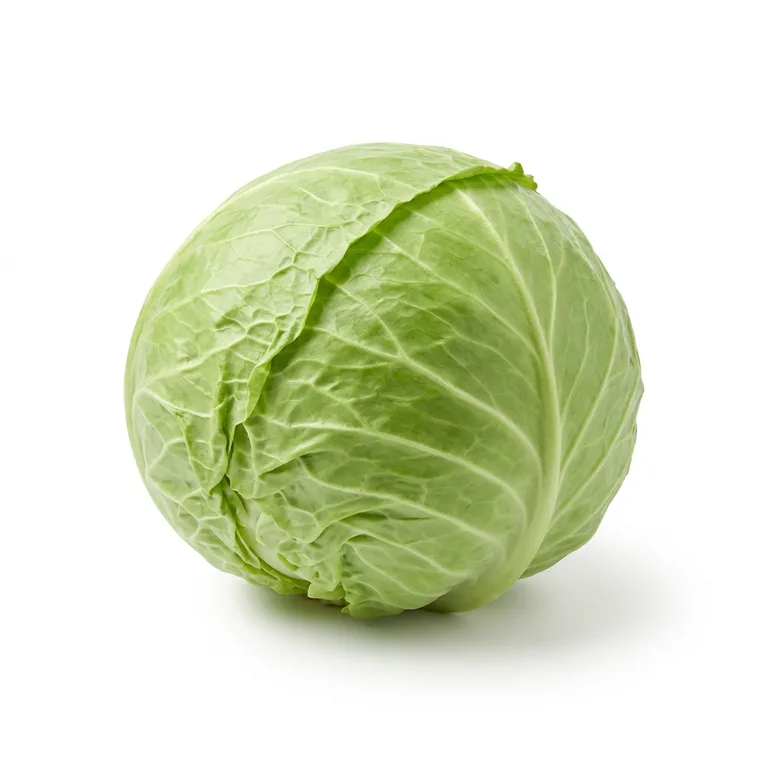
Remove 2–3 outer leaves from the cabbage and set them aside. Quarter the cabbage, remove the core, and shred it as thinly as possible — about 1/8-inch ribbons — using a chef's knife or mandoline.
Weigh the shredded cabbage in a large mixing bowl. Add the sea salt at a ratio of 1.5–2% of the cabbage's weight (the 1 tbsp listed is calibrated for 2 lb / 900 g of cabbage). Toss well, then massage and squeeze the cabbage firmly with clean hands for 8–10 minutes, until it releases a significant amount of liquid and the shreds become limp and translucent.
Create a Fig account for step-by-step instructions, access to our full recipe library, and more!


 (16k)
(16k)