
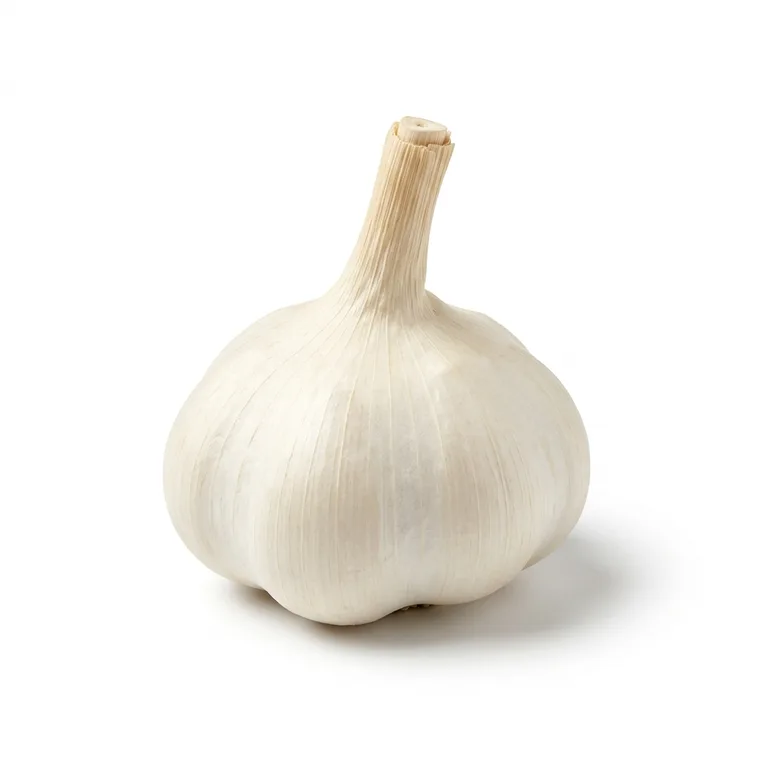
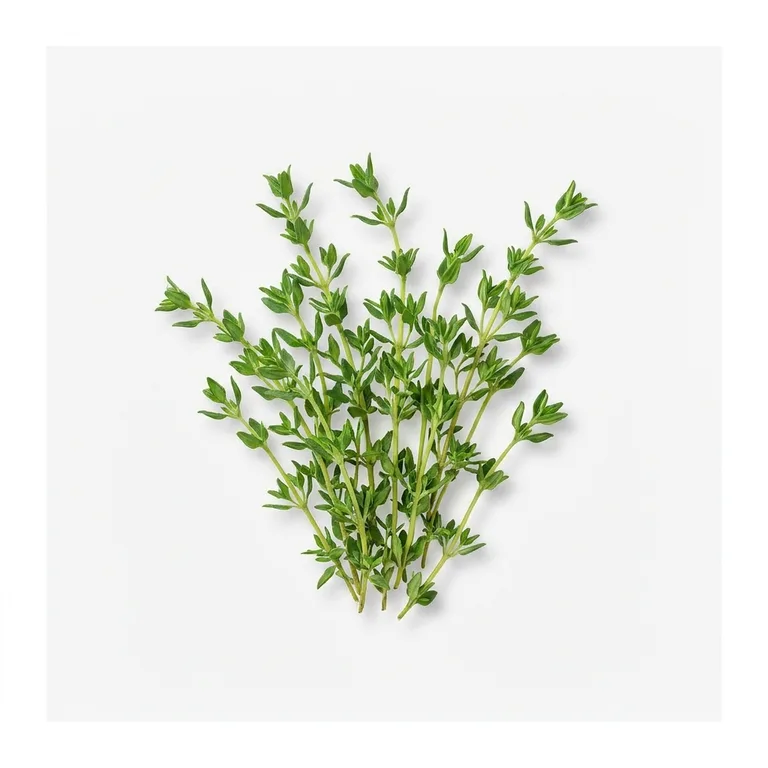
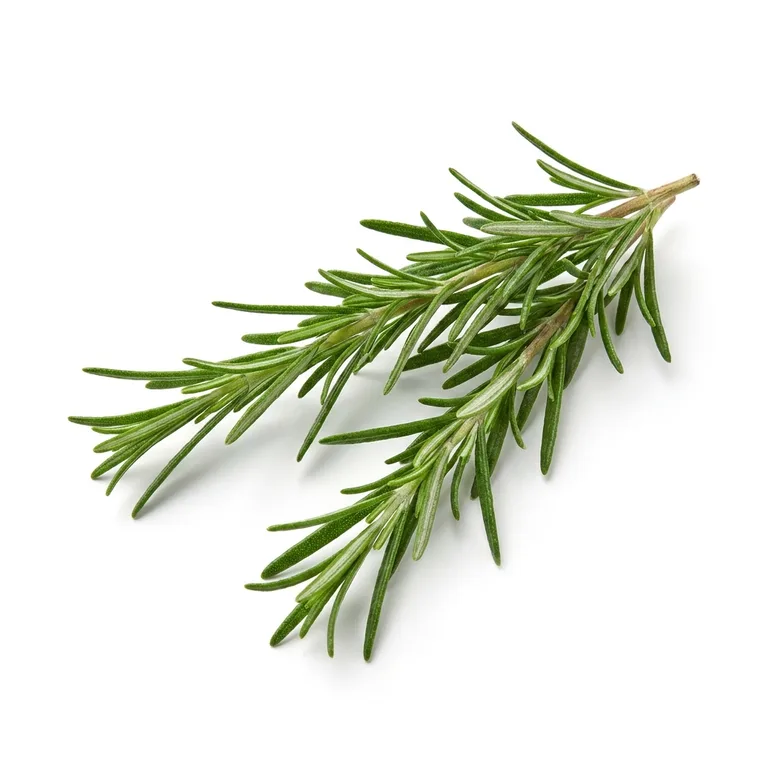
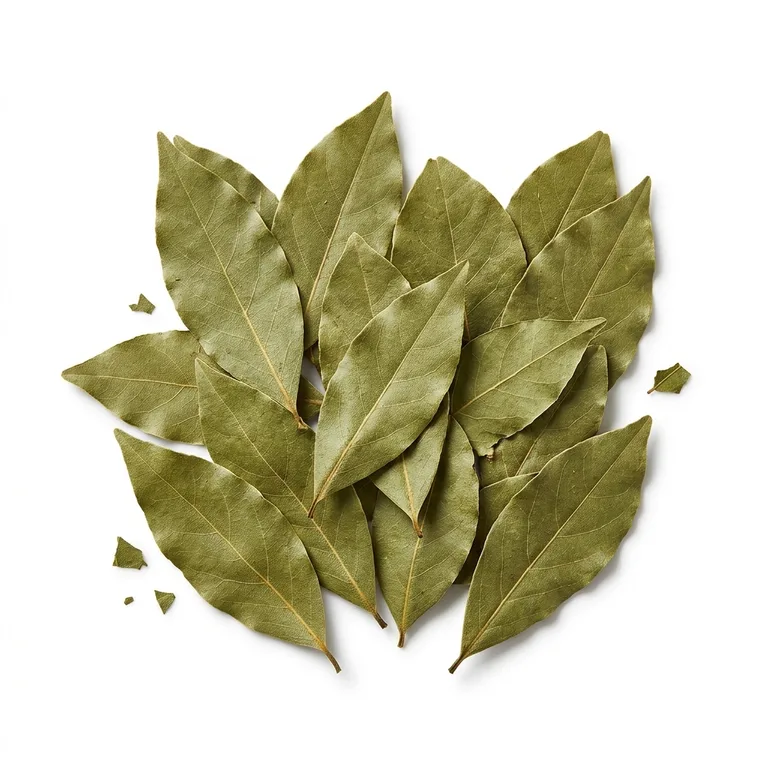
Tangy, garlicky, and fragrant with fresh thyme and rosemary, this homemade fermented kraut is a far cry from the bland jarred stuff sitting on grocery store shelves. The live cultures produced through natural lacto-fermentation make it a genuinely nourishing addition to meals, and many nursing parents find fermented foods a welcome way to support gut health during the postpartum period. Because it's made entirely from whole, recognizable ingredients — cabbage, garlic, sea salt, and a handful of fresh herbs — you know exactly what you're eating and what you're passing along. The process is more hands-off than it looks: a good massage session on day one, a daily press-down check for the first few days, and then patience while the fermentation does its quiet work. Packing the jars tightly and keeping the cabbage submerged under its own brine is the real key to a safe, successful batch. Once it hits that bright, pleasantly sour flavor you're after — usually somewhere in the one-to-two-week window — it moves to the fridge and keeps for up to three months, ready to pile onto eggs, grain bowls, or whatever sounds good that week.
 About Fig
Fig is a food discovery app that helps you find foods and recipes that fit your dietary needs. Whether you have food allergies, intolerances, or follow a specific diet, Fig makes it easy to eat with confidence.
Learn more →8 servings
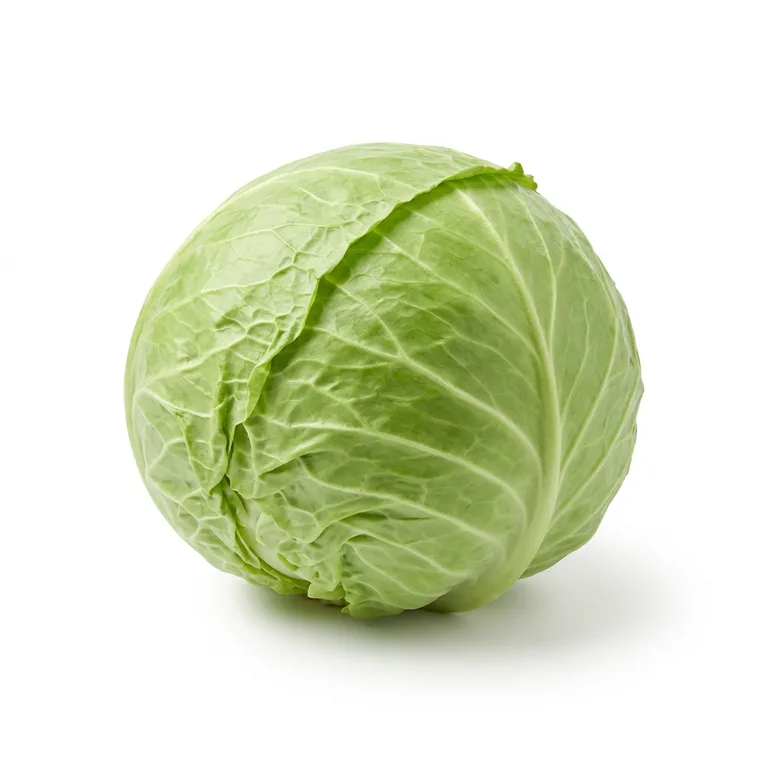
Remove 2–3 outer leaves from the cabbage and set them aside. Quarter the cabbage, remove the core, and shred it as thinly as possible — about 1/8-inch ribbons — using a chef's knife or mandoline.
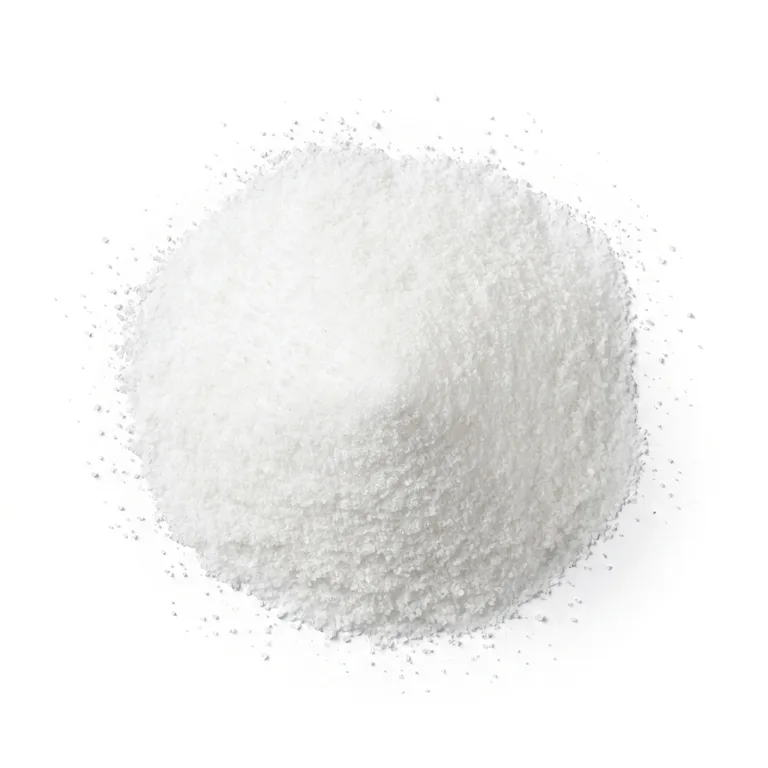
Weigh the shredded cabbage in a large mixing bowl. Add the sea salt at a ratio of 1.5–2% of the cabbage's weight (the 1 tbsp listed is calibrated for 2 lb / 900 g of cabbage). Toss well, then massage and squeeze the cabbage firmly with clean hands for 8–10 minutes, until it releases a significant amount of liquid and the shreds become limp and translucent.
Create a Fig account for step-by-step instructions, access to our full recipe library, and more!


 (16k)
(16k)