
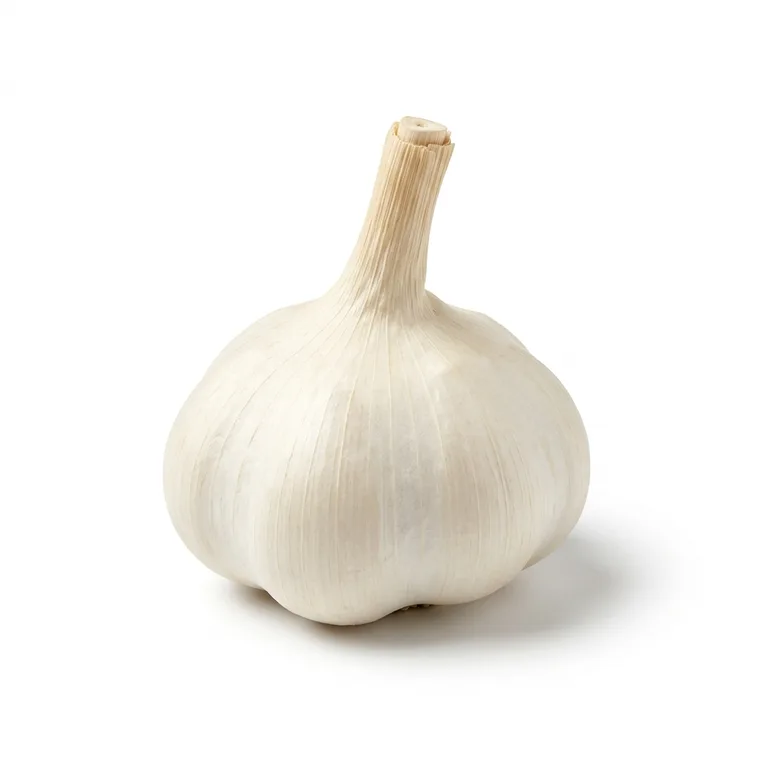
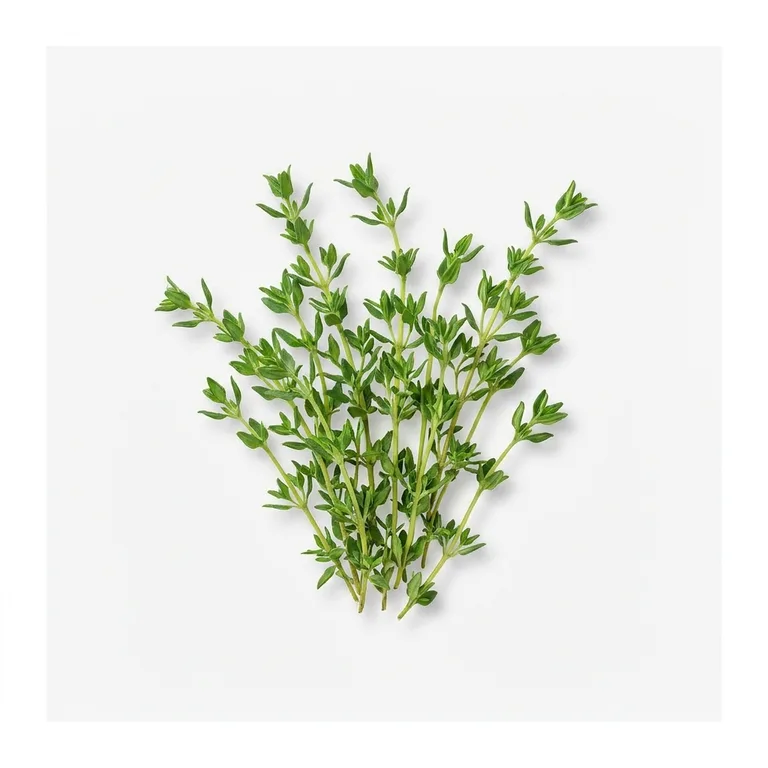
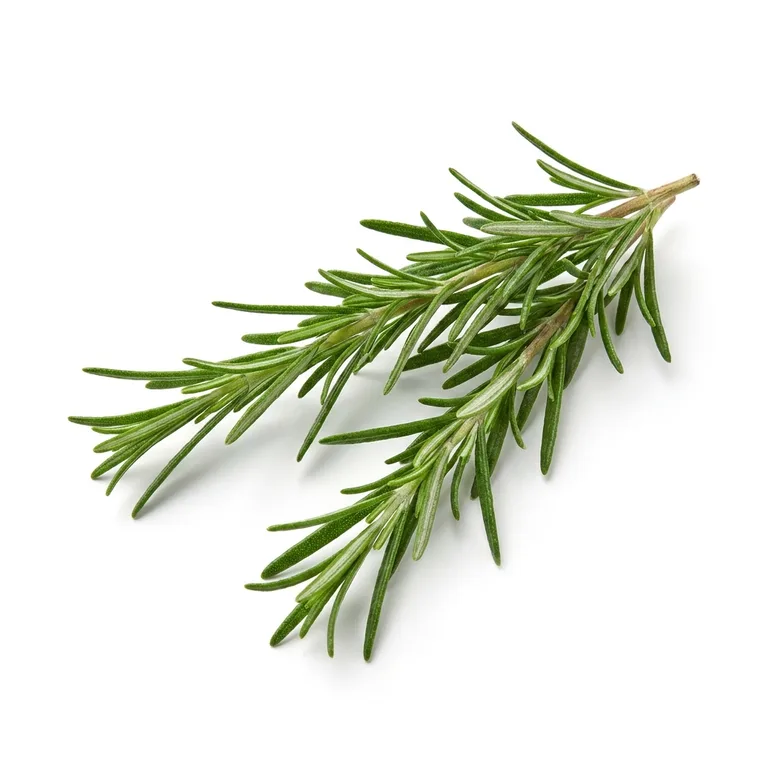
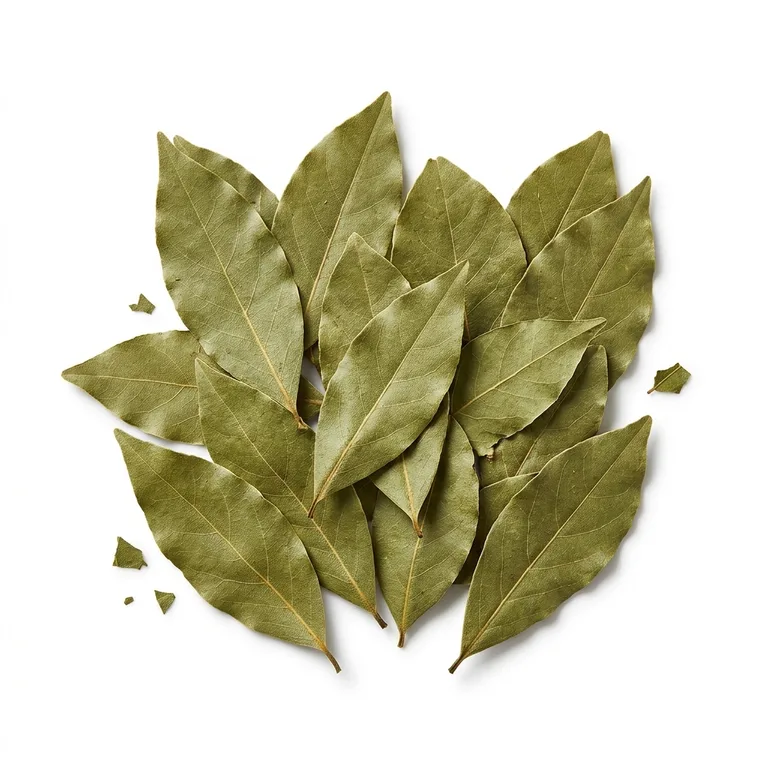
Tangy, aromatic, and alive with probiotic goodness, this fermented cabbage gets a fragrant upgrade from garlic, thyme, rosemary, and a single bay leaf — no heat, no shortcuts, just salt and time doing their quiet magic. For anyone navigating a sensitivity to black pepper, store-bought sauerkraut can be a minefield, since many commercial brands sneak in peppercorns or seasoning blends that aren't always obvious on the label. Making your own puts you in complete control of every ingredient in the jar. The process is beautifully low-tech: you shred, massage, pack, and wait, letting natural lacto-fermentation build that signature sour tang over seven to fourteen days. The garlic mellows as it ferments, and the woody herbs lend a subtle, almost Mediterranean depth that makes this kraut feel genuinely special alongside roasted meats, grain bowls, or eggs. Daily check-ins keep things on track, and once it hits your preferred sourness, it seals up and keeps in the fridge for up to three months. It's the kind of project that rewards a little patience with a condiment you'll want to put on absolutely everything.
 About Fig
Fig is a food discovery app that helps you find foods and recipes that fit your dietary needs. Whether you have food allergies, intolerances, or follow a specific diet, Fig makes it easy to eat with confidence.
Learn more →8 servings
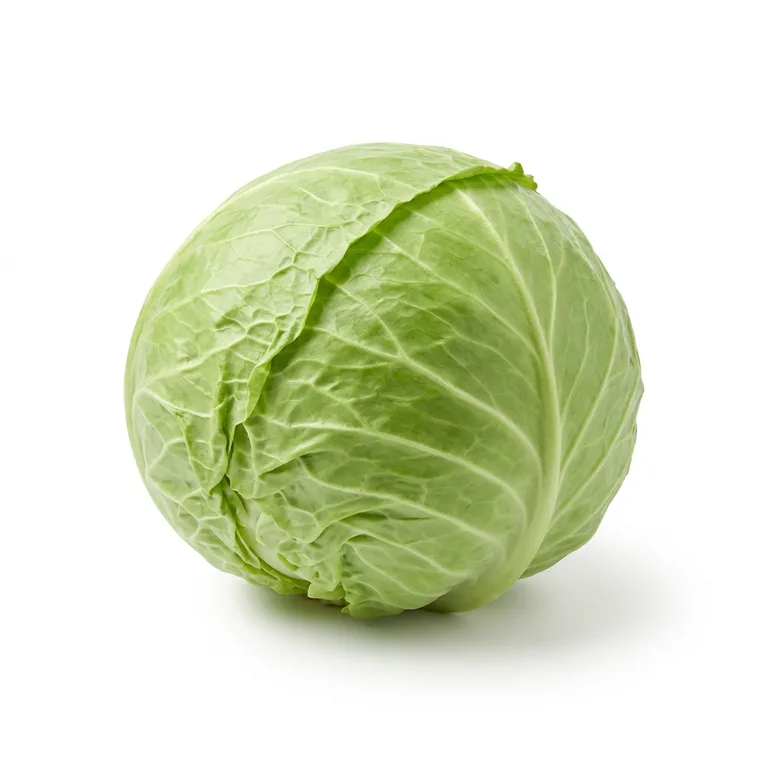
Remove 2–3 outer leaves from the cabbage and set them aside. Quarter the cabbage, remove the core, and shred it as thinly as possible — about 1/8-inch ribbons — using a chef's knife or mandoline.
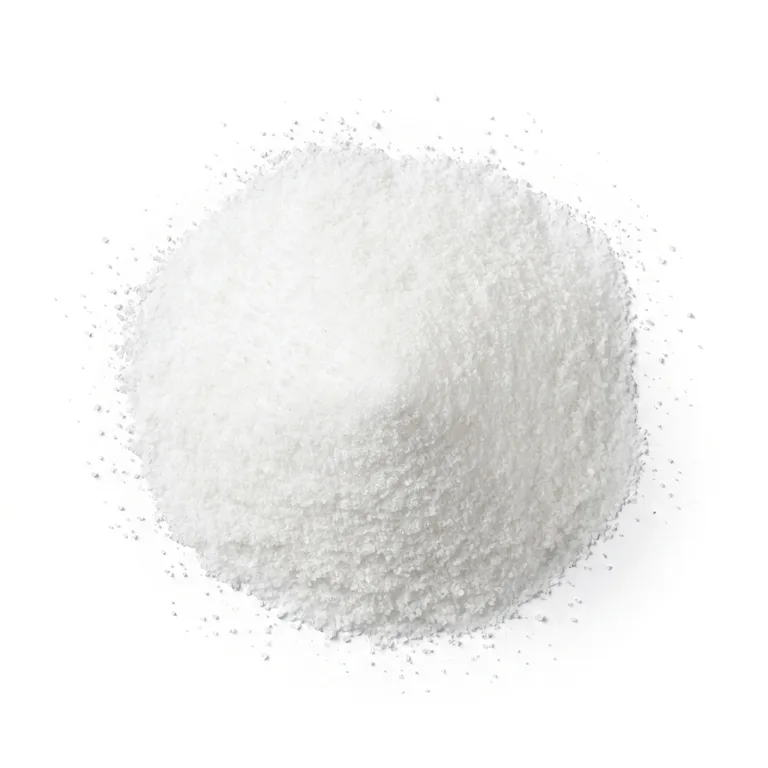
Weigh the shredded cabbage in a large mixing bowl. Add the sea salt at a ratio of 1.5–2% of the cabbage's weight (the 1 tbsp listed is calibrated for 2 lb / 900 g of cabbage). Toss well, then massage and squeeze the cabbage firmly with clean hands for 8–10 minutes, until it releases a significant amount of liquid and the shreds become limp and translucent.
Create a Fig account for step-by-step instructions, access to our full recipe library, and more!


 (16k)
(16k)