
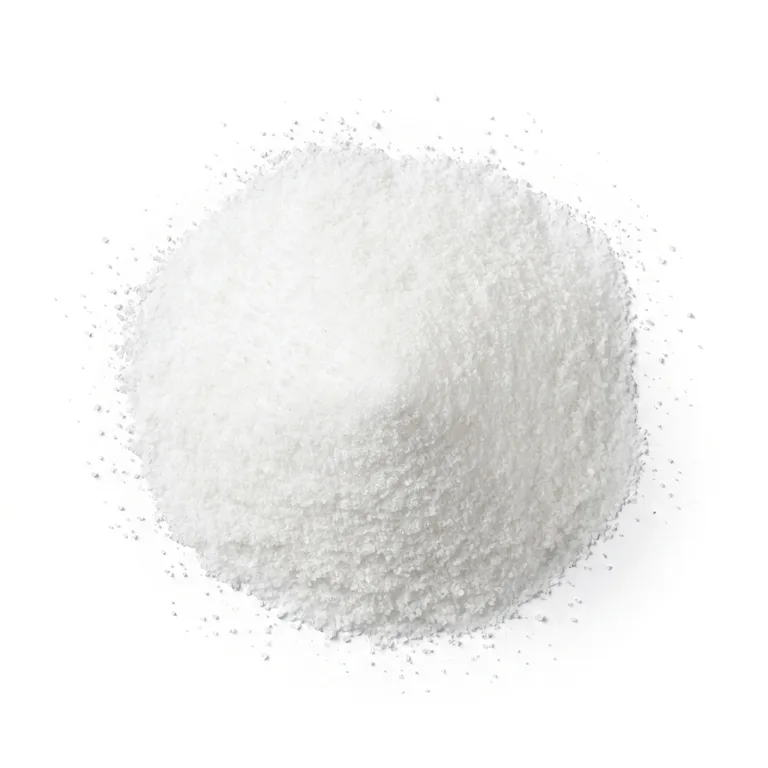
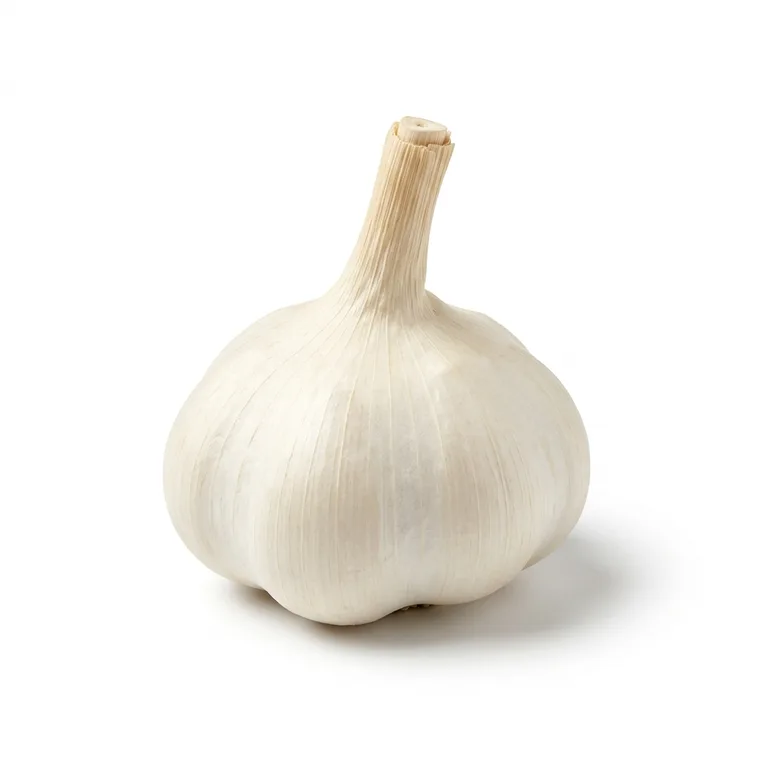
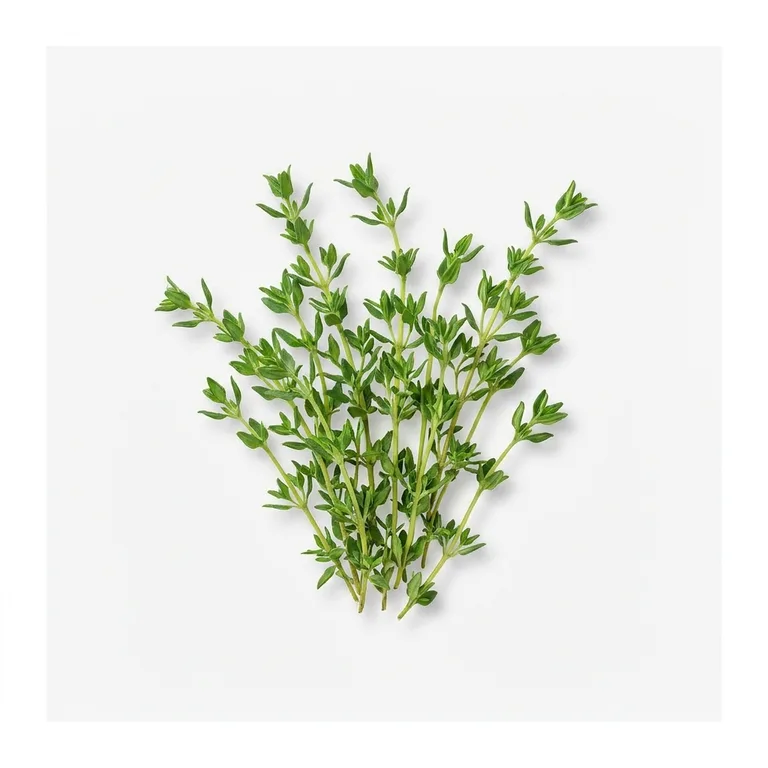
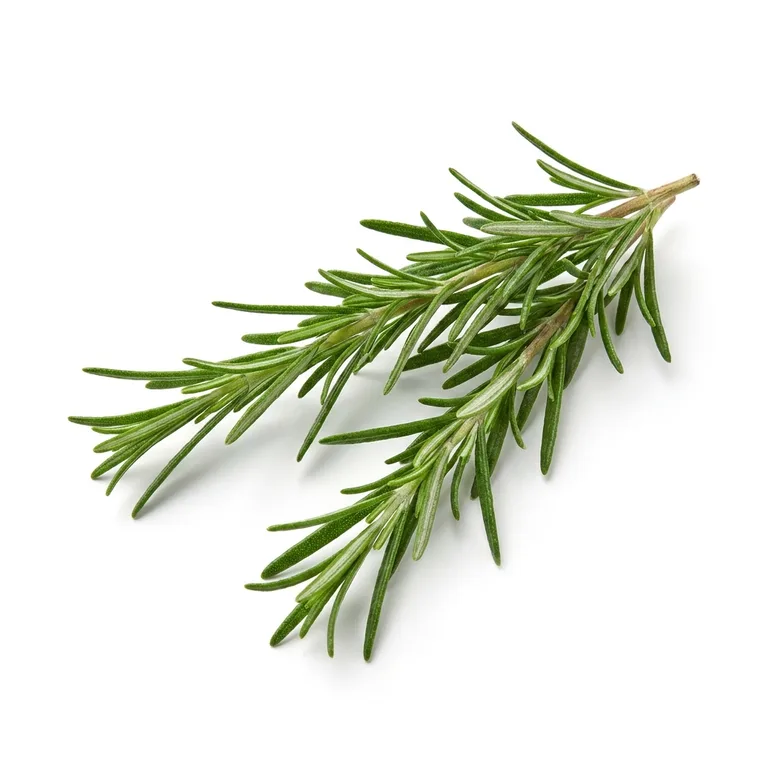
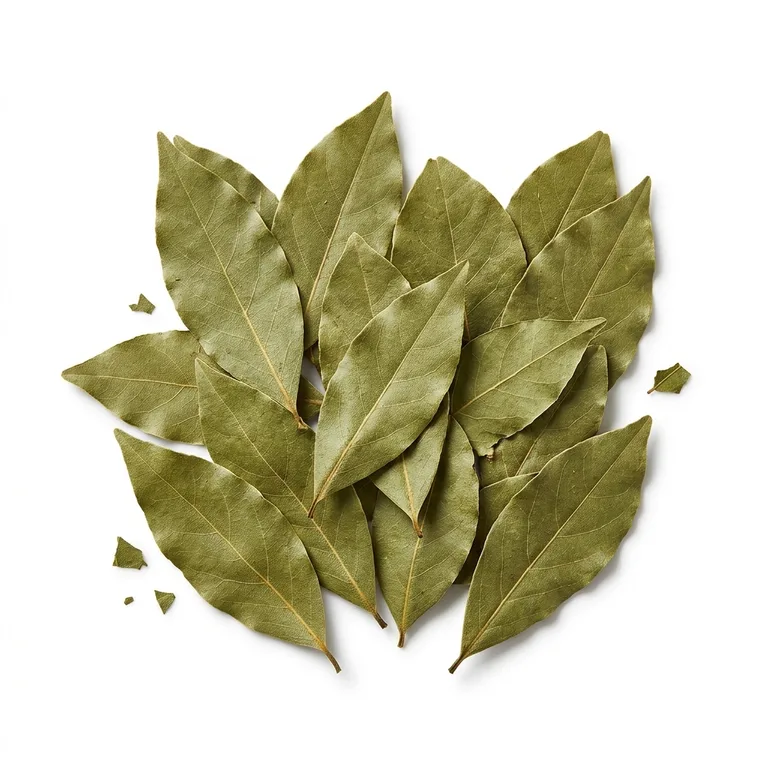
Homemade fermented sauerkraut is one of those kitchen projects that feels almost magical — a handful of humble ingredients transforms into something tangy, complex, and deeply satisfying over the course of a week or two. Every ingredient here is exactly what it looks like: fresh cabbage, sea salt, garlic, and a few woody herbs. There are no dyes, no preservatives, no mystery additives — just the kind of clean, whole-food fermentation that people have been doing for centuries. Store-bought sauerkraut can be a surprisingly tricky aisle to navigate, since many commercial brands sneak in colorants or stabilizers to improve shelf appeal, but when you make it yourself you know precisely what went into the jar. The garlic and rosemary-thyme combination gives this batch a savory, almost Mediterranean character that sets it apart from plain grocery-store versions. The process takes a little patience and daily check-ins, but the hands-on time is minimal — mostly massaging cabbage and pressing things down into jars. The result is a bright, probiotic-rich condiment that earns a permanent spot in your fridge door.
 About Fig
Fig is a food discovery app that helps you find foods and recipes that fit your dietary needs. Whether you have food allergies, intolerances, or follow a specific diet, Fig makes it easy to eat with confidence.
Learn more →8 servings
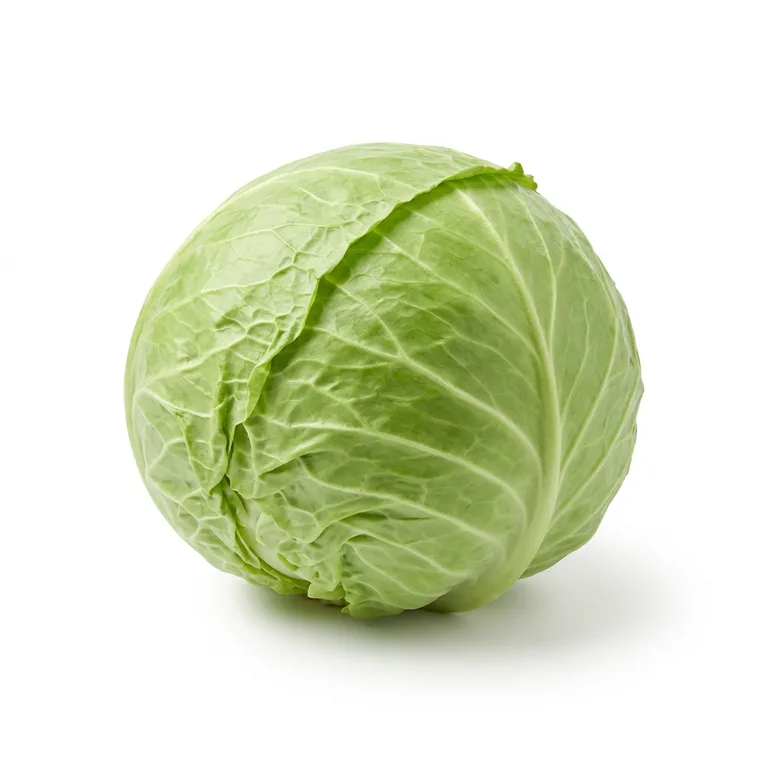
Remove 2–3 outer leaves from the cabbage and set them aside. Quarter the cabbage, remove the core, and shred it as thinly as possible — about 1/8-inch ribbons — using a chef's knife or mandoline.
Weigh the shredded cabbage in a large mixing bowl. Add the sea salt at a ratio of 1.5–2% of the cabbage's weight (the 1 tbsp listed is calibrated for 2 lb / 900 g of cabbage). Toss well, then massage and squeeze the cabbage firmly with clean hands for 8–10 minutes, until it releases a significant amount of liquid and the shreds become limp and translucent.
Create a Fig account for step-by-step instructions, access to our full recipe library, and more!


 (16k)
(16k)