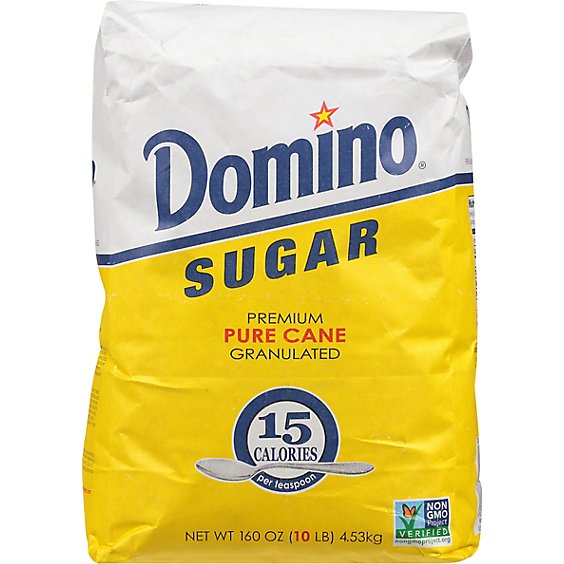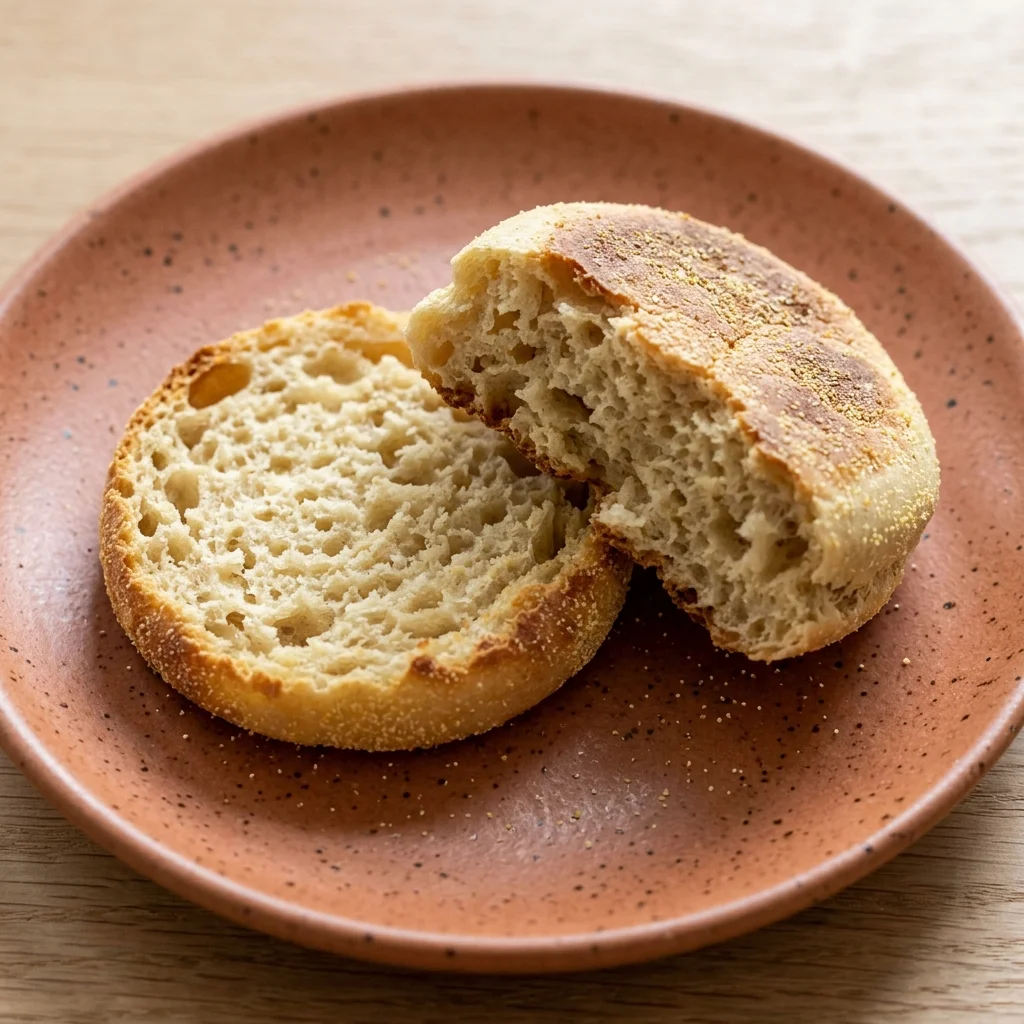
Homemade English muffins might sound like a weekend project reserved for serious bakers, but this stovetop method proves otherwise — no oven required, just a skillet and a little patience. The dough comes together with whole milk, butter, and a touch of baking soda alongside the yeast, which is exactly what gives these muffins their signature chew and those coveted nooks and crannies. Letting the dough rise for a full hour before a short rest after cutting makes all the difference in the final texture. The real magic happens in a dry skillet over low heat, where each muffin develops a deep golden crust on both flat sides while staying soft and airy inside. Splitting them with a fork rather than a knife is a small step that pays off big — you get all those irregular pockets that catch butter or jam instead of a smooth, sealed crumb. These are a natural fit for a pescatarian table since every ingredient is straightforwardly plant-based or dairy, with zero meat or hidden animal-derived additives to second-guess. Once you've had one warm off the griddle, the store-bought version is going to feel like a serious downgrade.
 About Fig
Fig is a food discovery app that helps you find foods and recipes that fit your dietary needs. Whether you have food allergies, intolerances, or follow a specific diet, Fig makes it easy to eat with confidence.
Learn more →8 servings

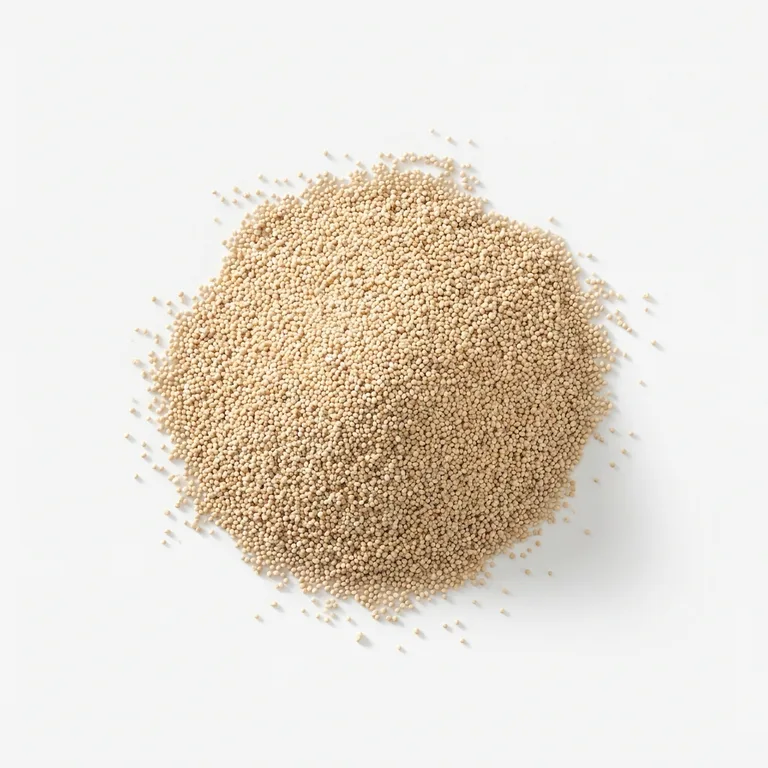
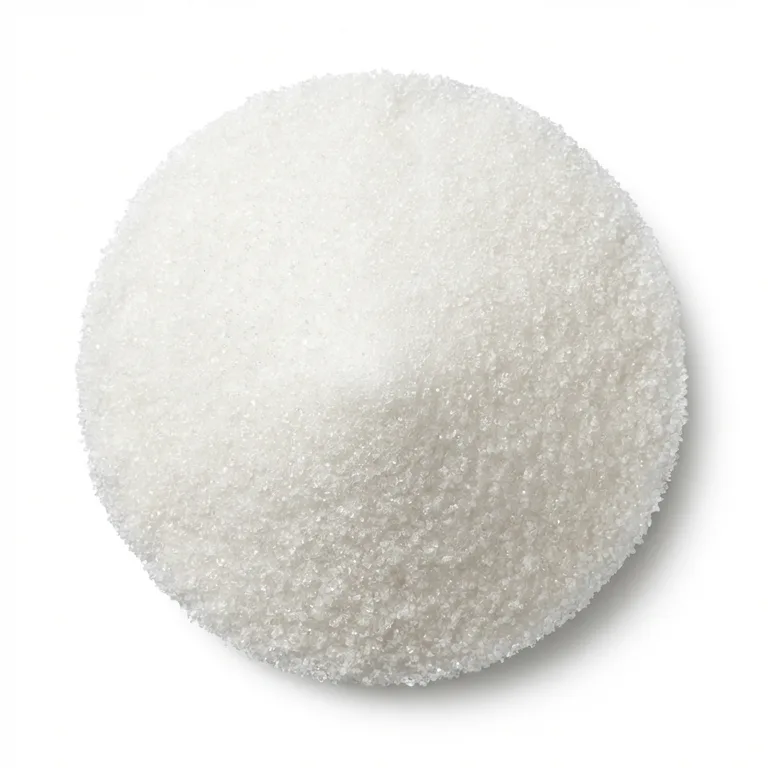
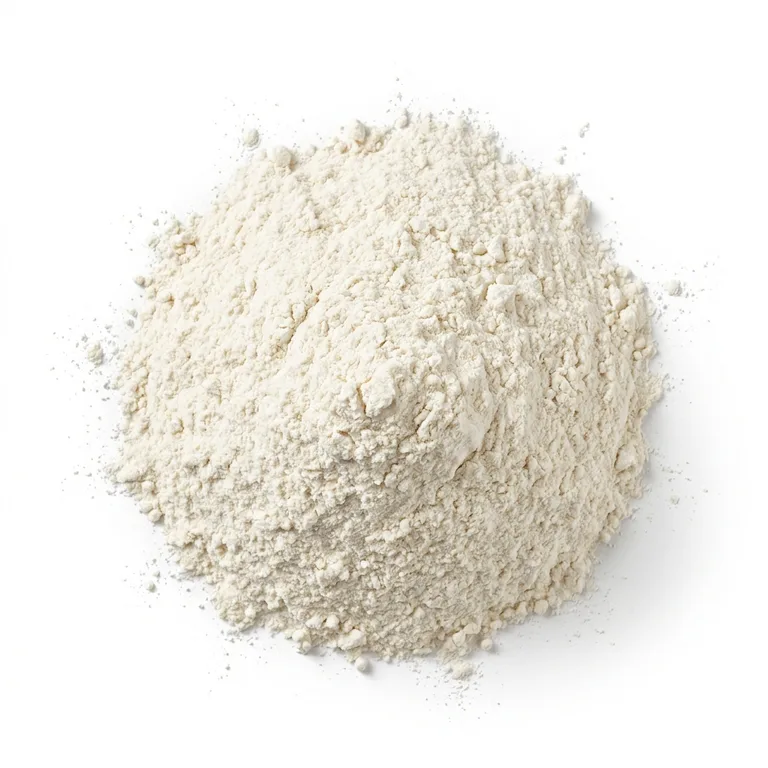
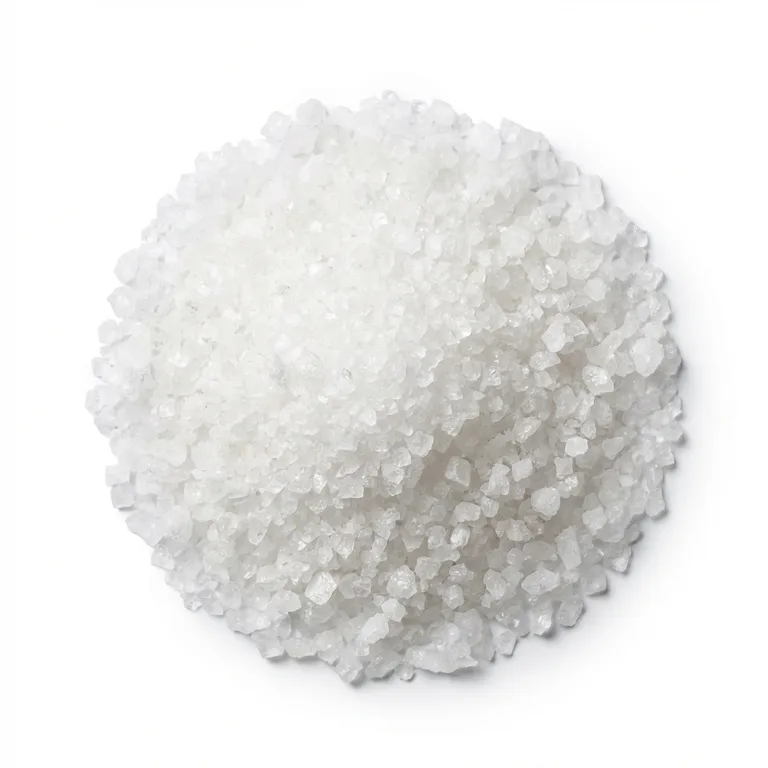

Warm the milk in a small saucepan over low heat until it reaches 105–110°F (40–43°C) — it should feel warm but not hot on your wrist. Remove from heat, sprinkle in the yeast and sugar, stir briefly, and let stand for 5–10 minutes until foamy.
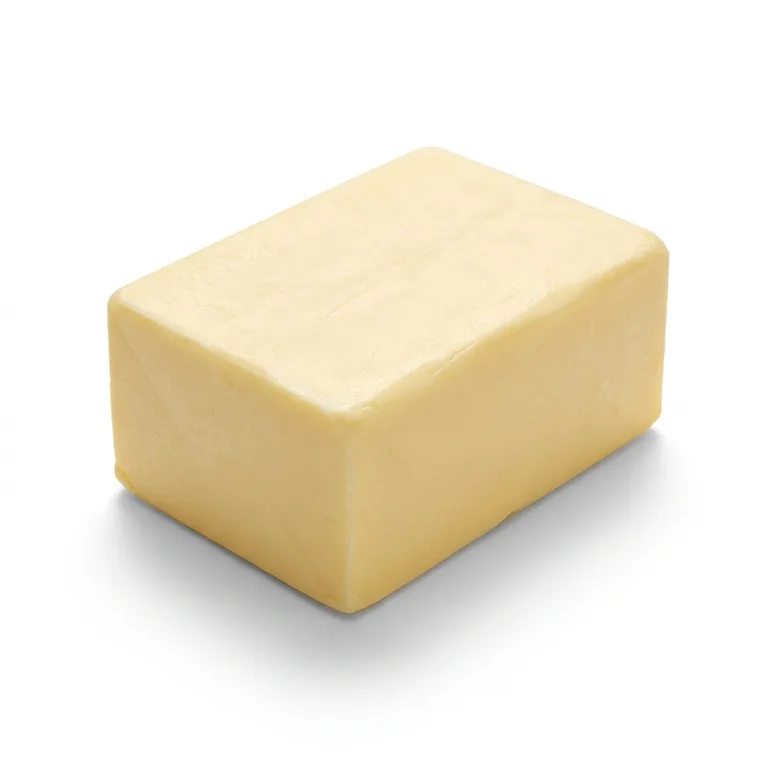
Whisk the flour, salt, and baking soda together in a large mixing bowl. Pour in the yeast mixture and the melted butter, then stir with a wooden spoon or rubber spatula until a shaggy, slightly sticky dough forms — it will be softer than bread dough and will not fully pull away from the bowl.
Create a Fig account for step-by-step instructions, access to our full recipe library, and more!


 (16k)
(16k)