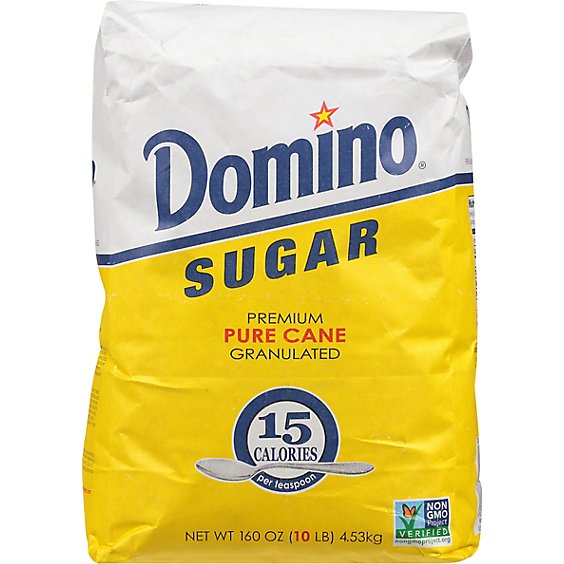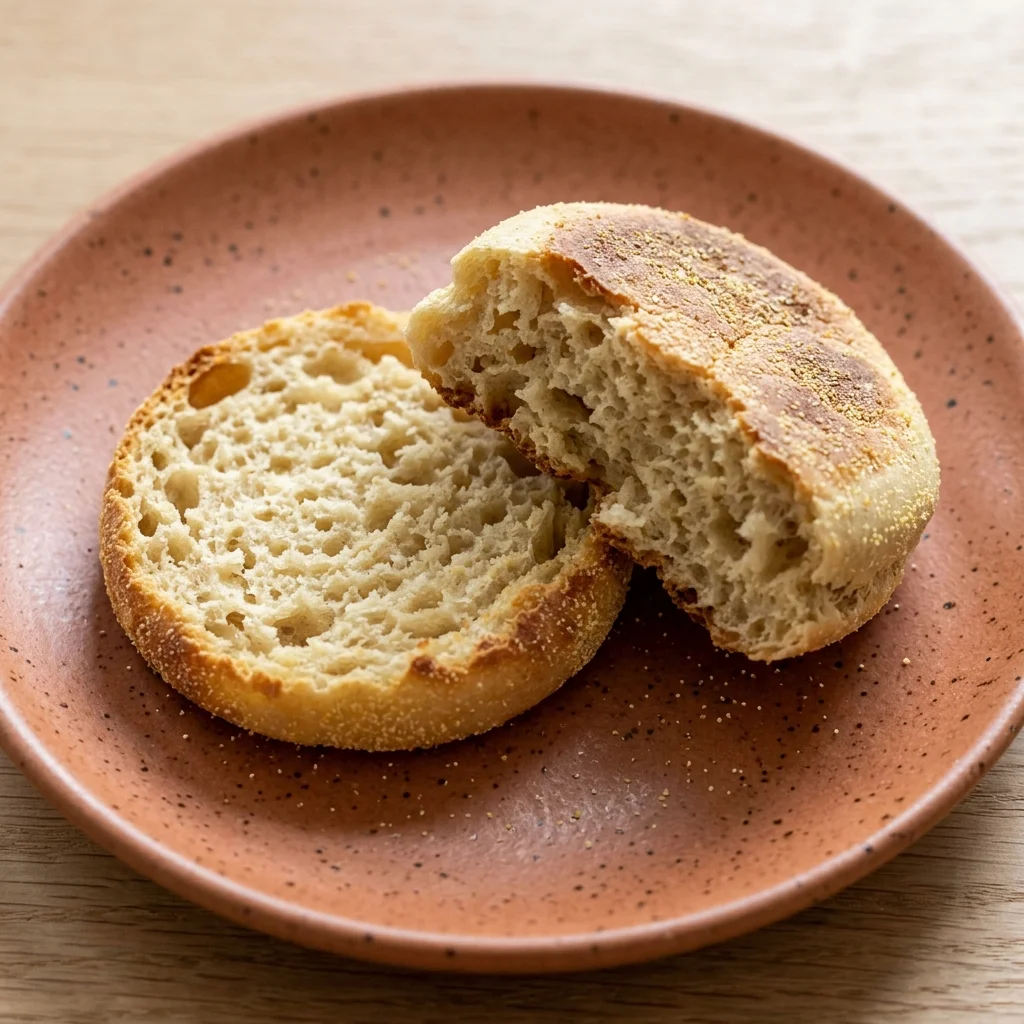
Homemade English muffins have a magic that store-bought versions simply can't replicate, and making them entirely on the stovetop means you don't even need to turn on the oven. The dough comes together with pantry staples — flour, milk, yeast, butter, and a pinch of baking soda — so you know exactly what's going into every single one. That baking soda is actually the secret weapon here, giving the interior that signature open, airy crumb that soaks up butter or jam like a dream. Cooking them low and slow in a dry skillet builds those deep golden, slightly crisp faces while keeping the inside soft and pillowy. The cornmeal dusting adds a subtle texture and that unmistakable rustic look you'd expect from a proper English muffin. The fork-split finish is non-negotiable — it tears along the natural structure of the dough and preserves every last nook and cranny. For anyone navigating nut allergies, these are a genuinely safe and satisfying breakfast staple made entirely from simple, straightforward ingredients with no hidden surprises.
 About Fig
Fig is a food discovery app that helps you find foods and recipes that fit your dietary needs. Whether you have food allergies, intolerances, or follow a specific diet, Fig makes it easy to eat with confidence.
Learn more →8 servings

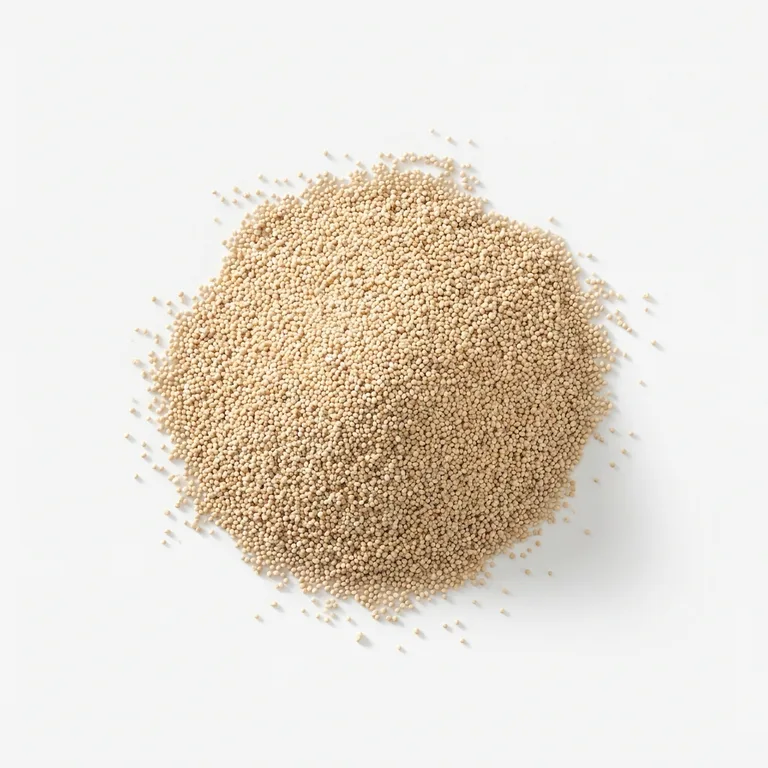
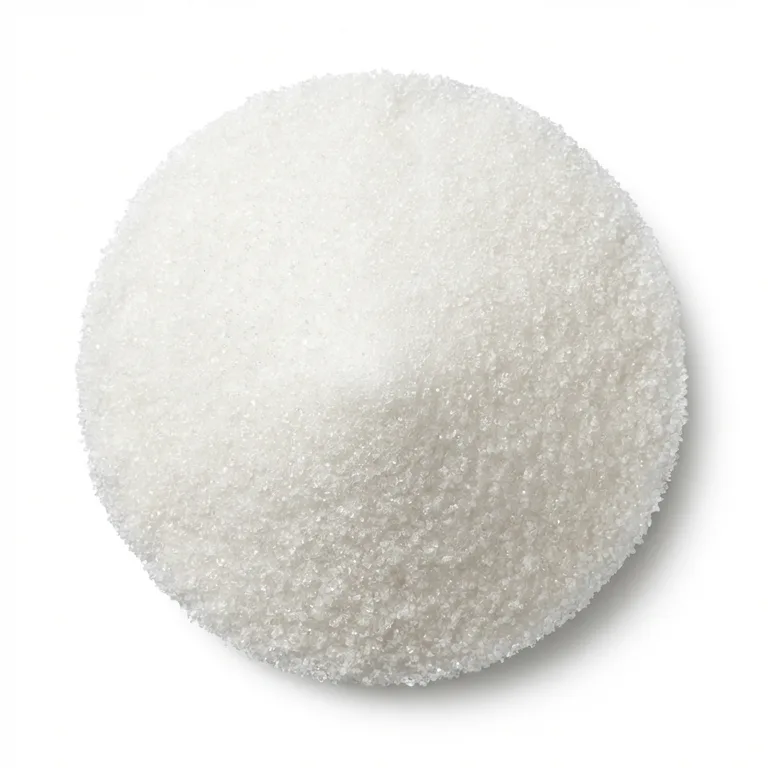
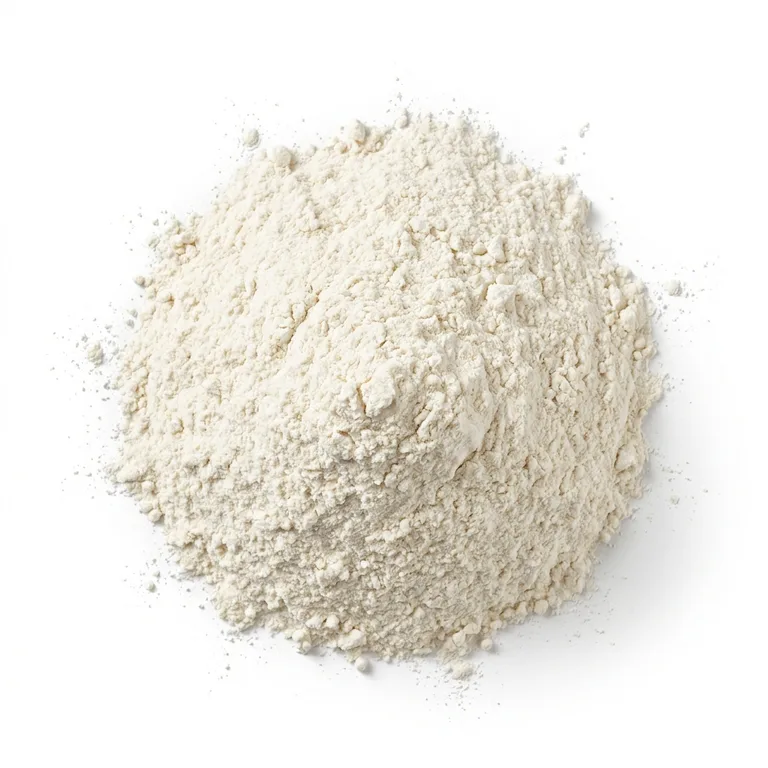
Warm the milk in a small saucepan over low heat until it reaches 105–110°F (40–43°C) — it should feel warm but not hot on your wrist. Remove from heat, sprinkle in the yeast and sugar, stir briefly, and let stand for 5–10 minutes until foamy.
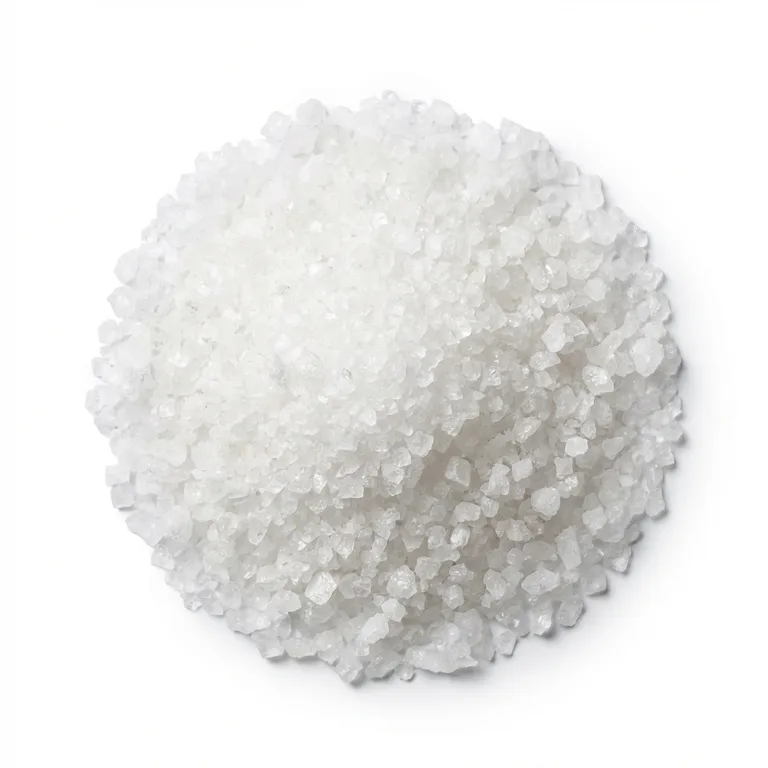
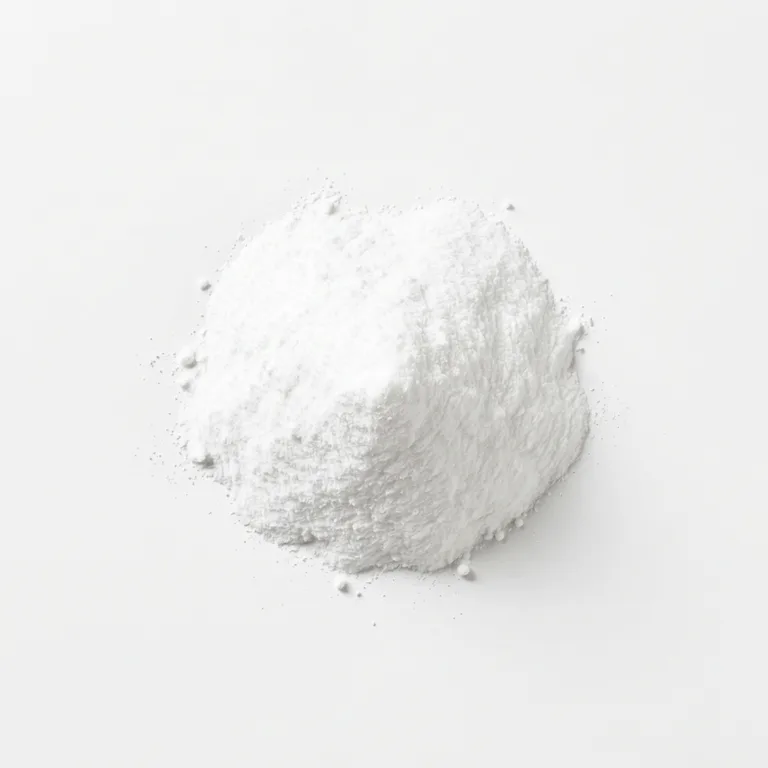
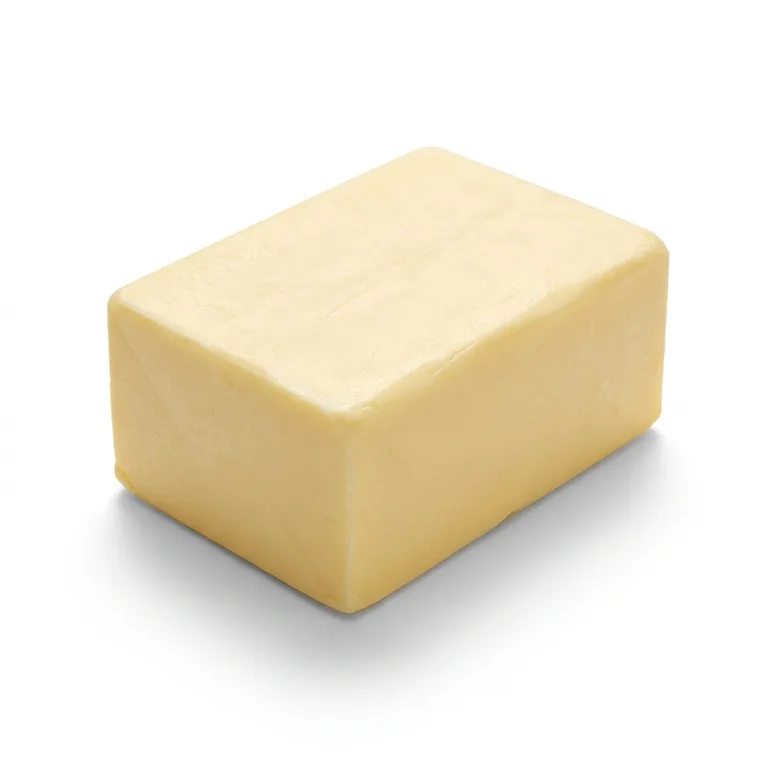
Whisk the flour, salt, and baking soda together in a large mixing bowl. Pour in the yeast mixture and the melted butter, then stir with a wooden spoon or rubber spatula until a shaggy, slightly sticky dough forms — it will be softer than bread dough and will not fully pull away from the bowl.
Create a Fig account for step-by-step instructions, access to our full recipe library, and more!


 (16k)
(16k)