About Fig
Fig is a food discovery app that helps you find foods and recipes that fit your dietary needs. Whether you have food allergies, intolerances, or follow a specific diet, Fig makes it easy to eat with confidence.
Learn more →10 servings
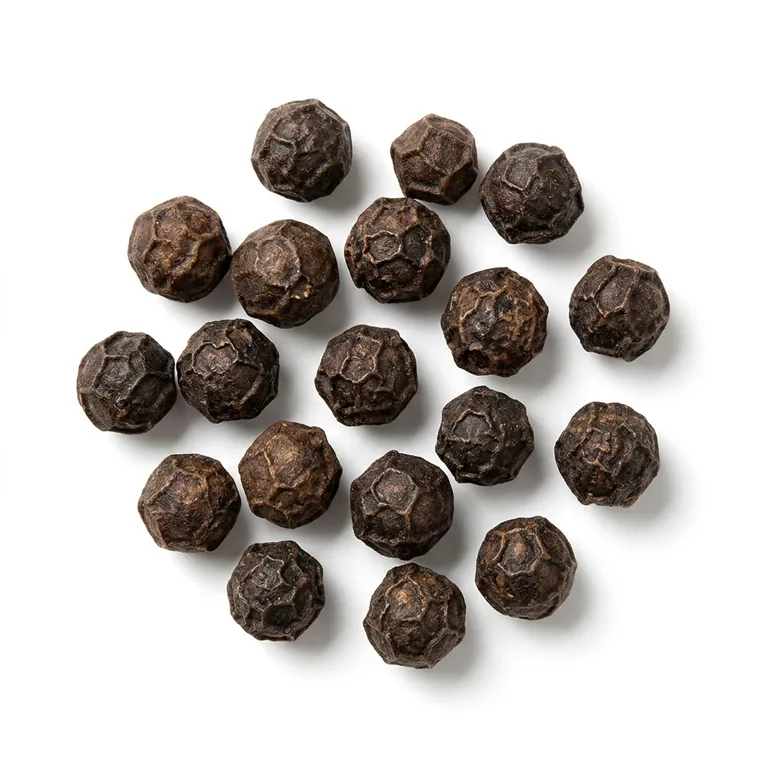
Black pepper can trigger interstitial cystitis symptoms in some people, but the small amount in this recipe (~1/8 tsp per serving) is likely tolerated by many. If you prefer to always avoid black pepper, please tap it and change its rating to Red.

Interstitial cystitis limits citrus because of the acid in the juice, but zest carries very little of it, and this recipe uses only about 5/16 tsp per serving, which is likely fine for many. If you prefer to always avoid orange peel, please tap it and change its rating to Red.
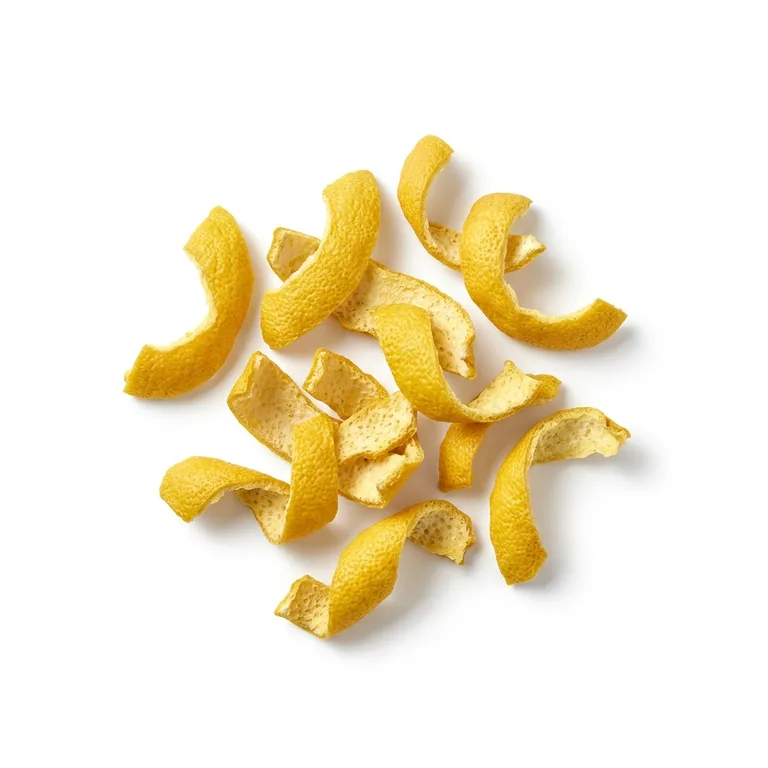
Interstitial cystitis limits citrus because of the acid in the juice, but zest carries very little of it, and this recipe uses only about 1/8 tsp per serving, which is likely fine for many. If you prefer to always avoid lemon peel, please tap it and change its rating to Red.


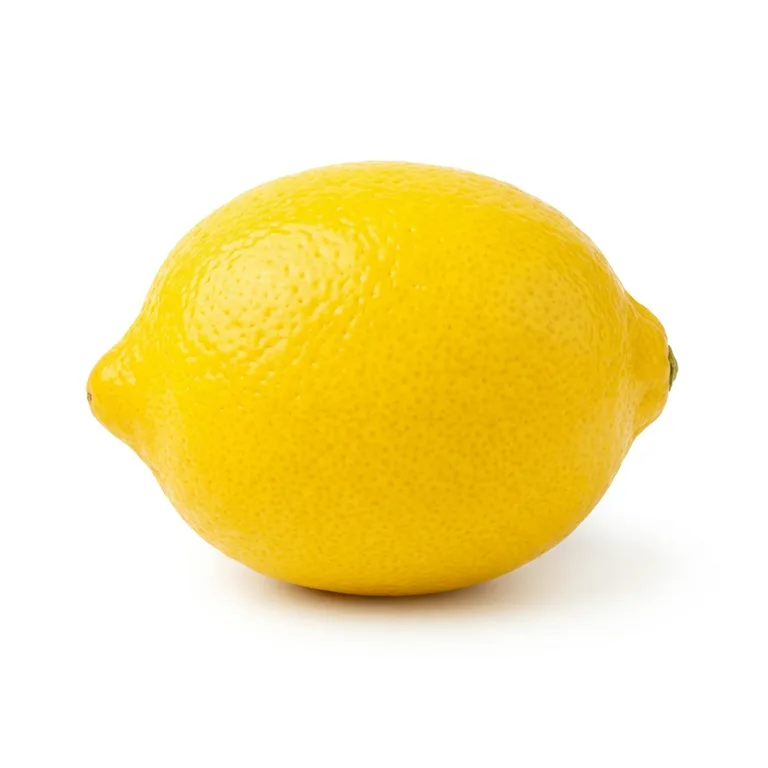
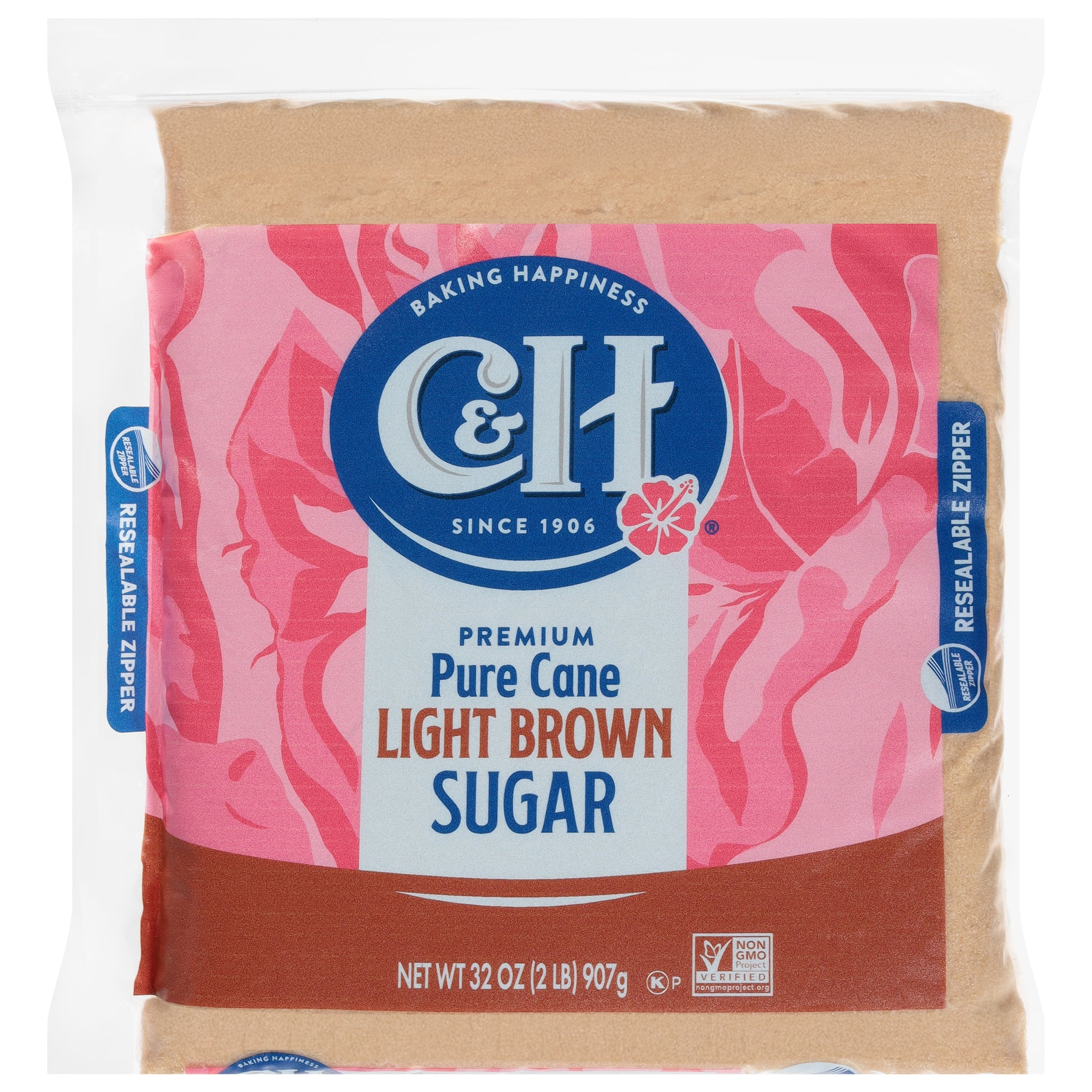
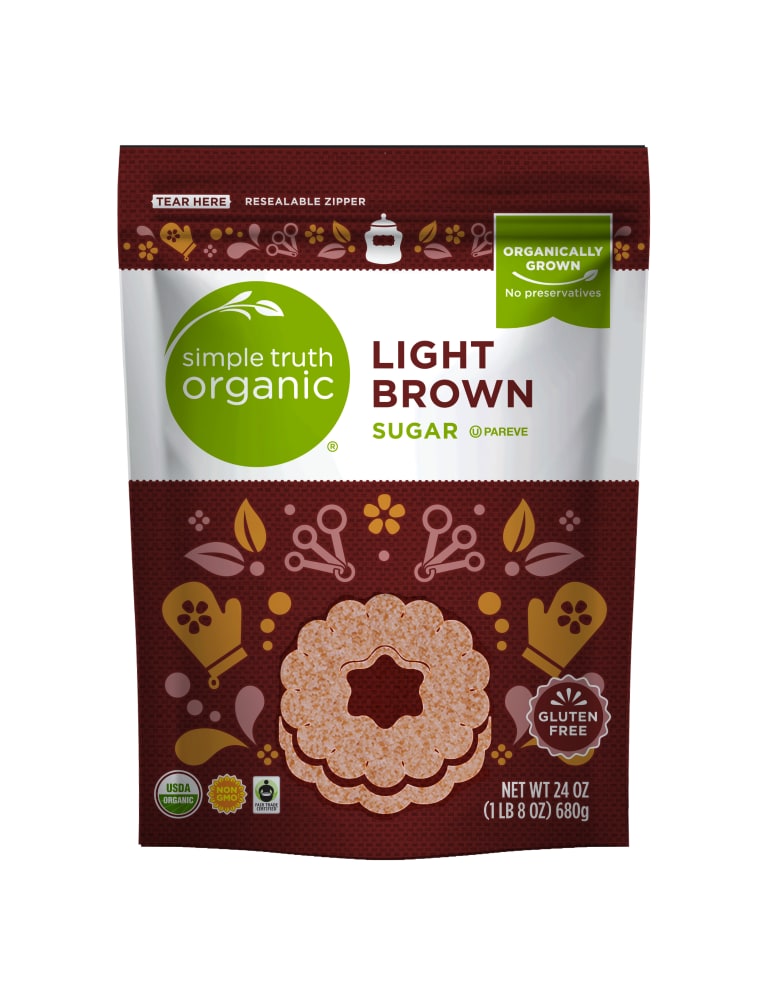
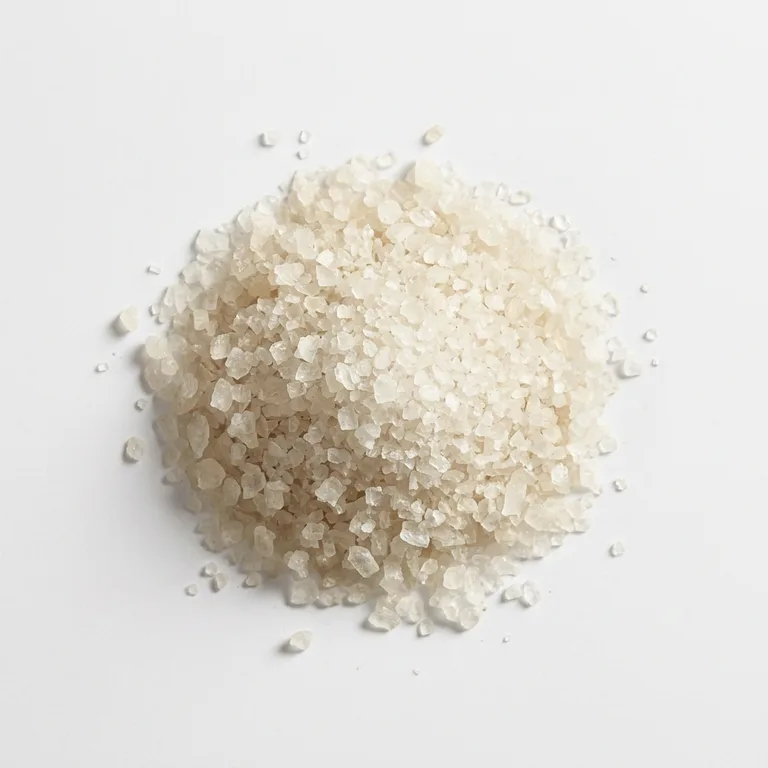
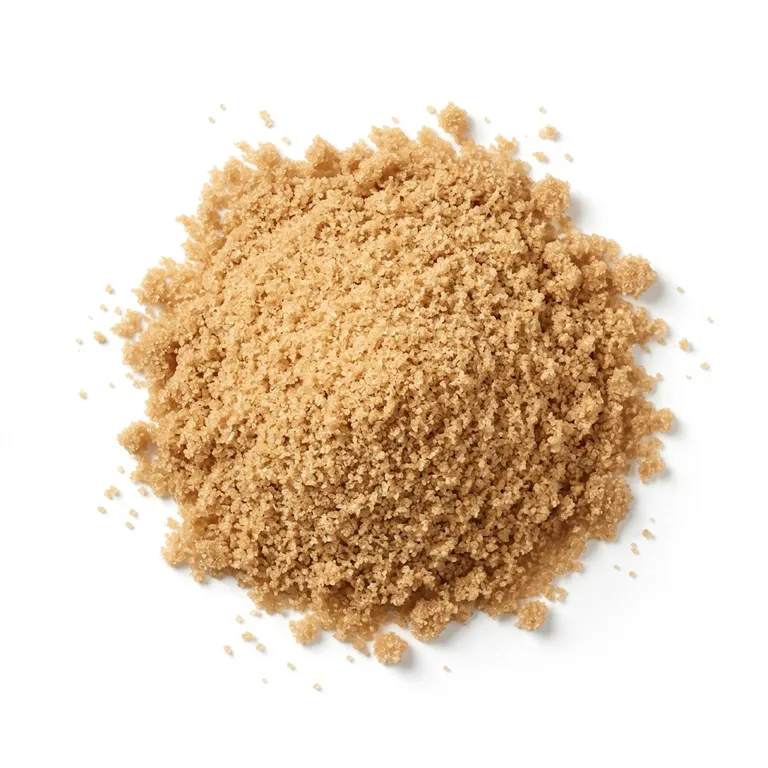
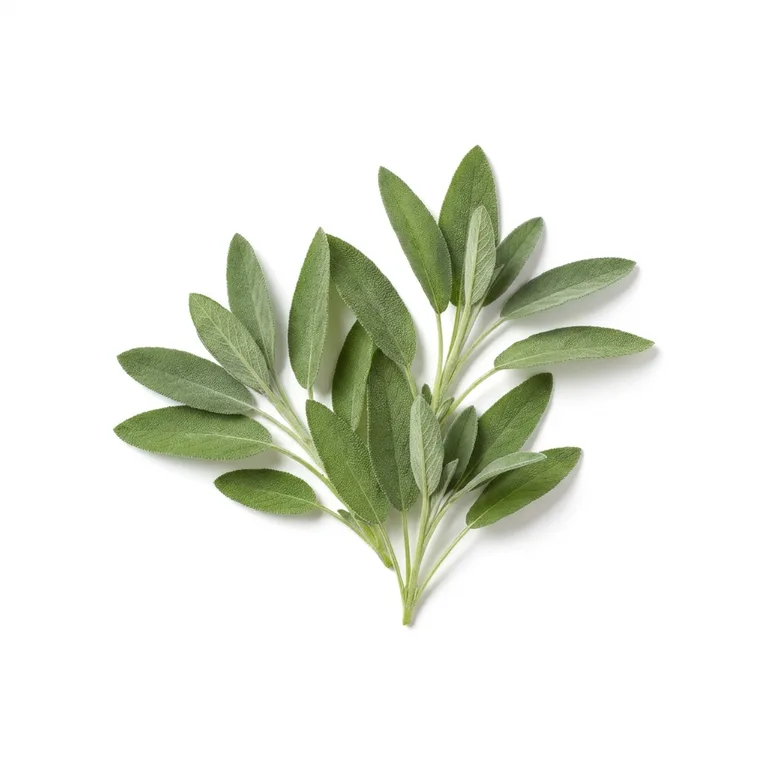
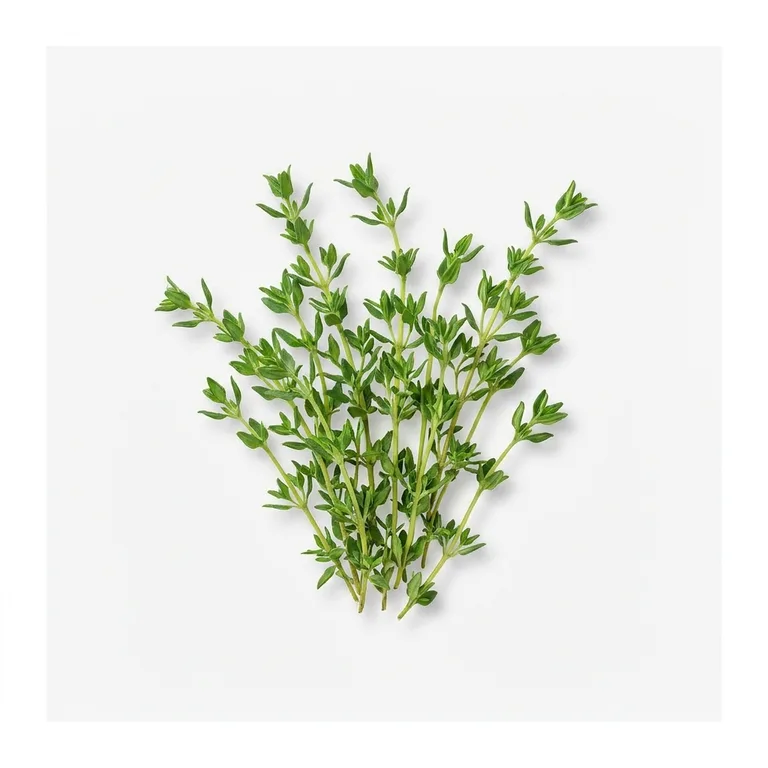
In a small bowl, combine the kosher salt, brown sugar, black pepper, 1 tbsp chopped sage, thyme, orange zest, and lemon zest. Mix until evenly blended.
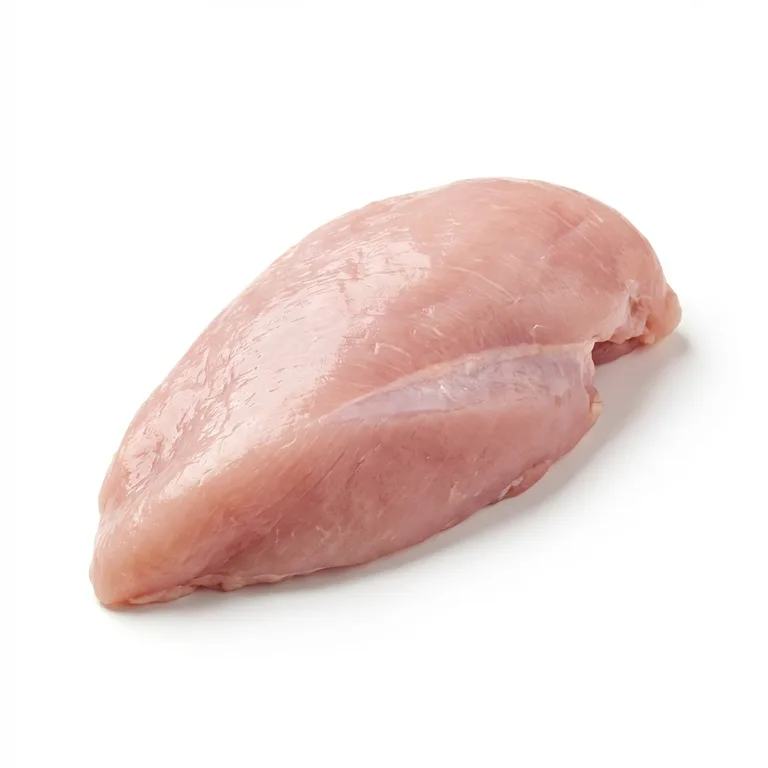
Pat the turkey completely dry inside and out with paper towels. Loosen the skin over the breast and thighs by sliding your fingers gently between the skin and the meat. Rub about two-thirds of the dry brine directly onto the meat under the skin, then rub the remaining third all over the outside of the bird, including the back, legs, and wings. Place the turkey breast-side up on a roasting rack set in a roasting pan. Refrigerate uncovered for at least 24 hours and up to 72 hours — the longer the brine, the more seasoned and dry the skin.
Create a Fig account for step-by-step instructions, access to our full recipe library, and more!


 (16k)
(16k)