About Fig
Fig is a food discovery app that helps you find foods and recipes that fit your dietary needs. Whether you have food allergies, intolerances, or follow a specific diet, Fig makes it easy to eat with confidence.
Learn more →4 servings

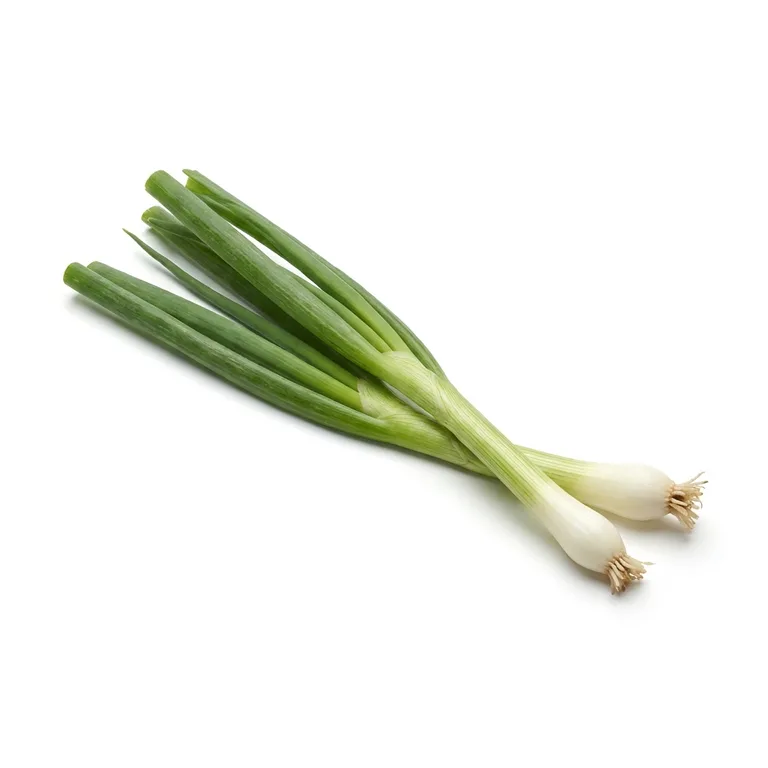
Scallions can trigger interstitial cystitis symptoms in some people, but counting all uses, this recipe has about 3/4 of a scallion per serving. That amount is likely tolerated by many. If you prefer to always avoid scallions, please tap them and change their rating to Red.
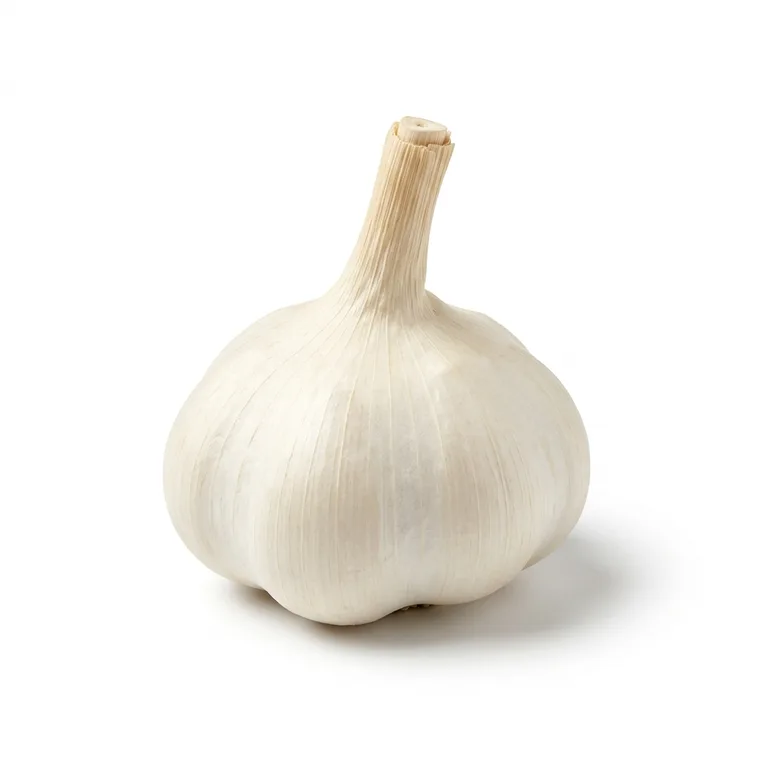
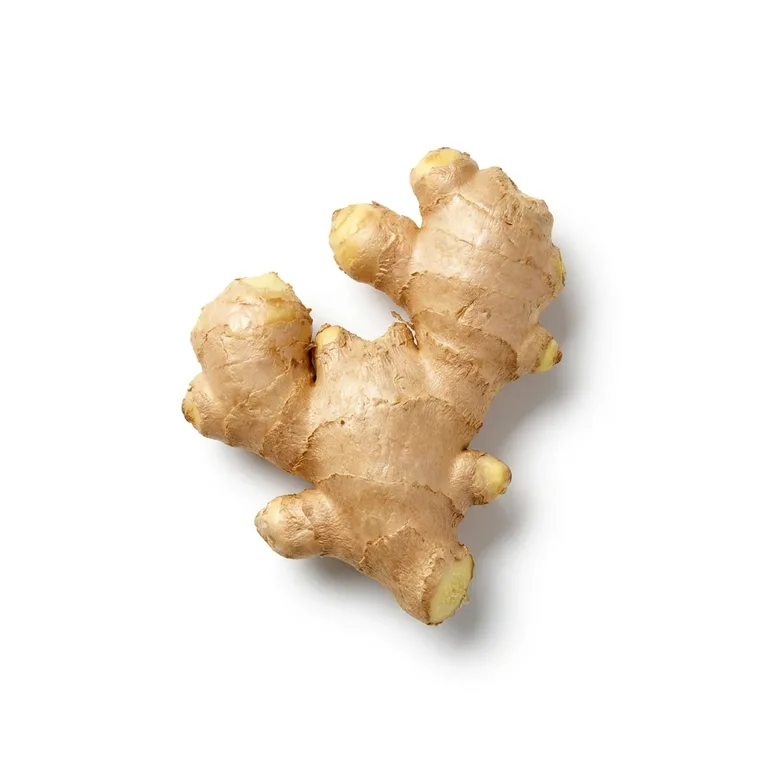
Fresh ginger can trigger interstitial cystitis symptoms in some people, but the small amount in this recipe (~1/4 tsp per serving) is likely tolerated by many. If you prefer to always avoid fresh ginger, please tap it and change its rating to Red.
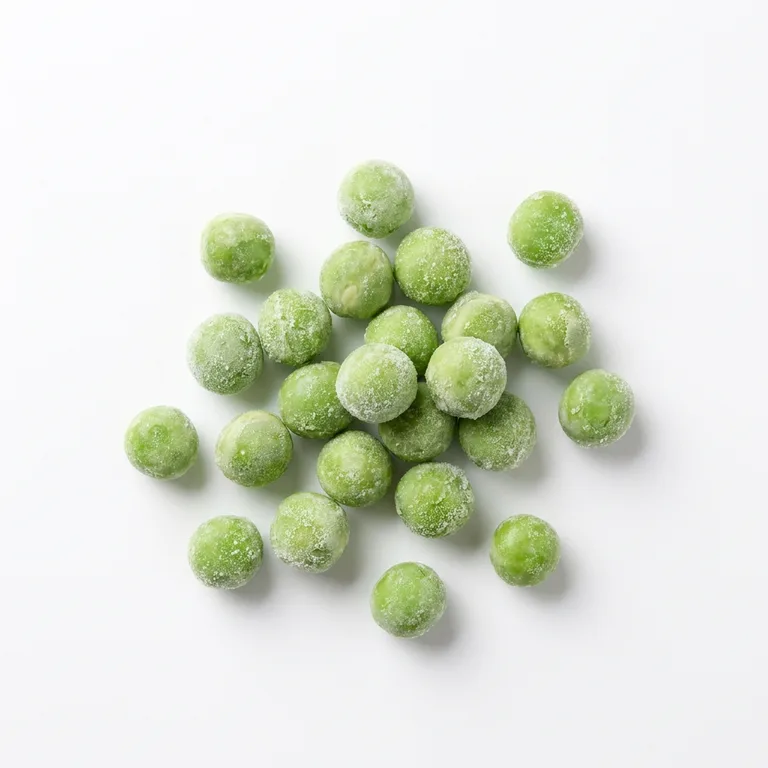
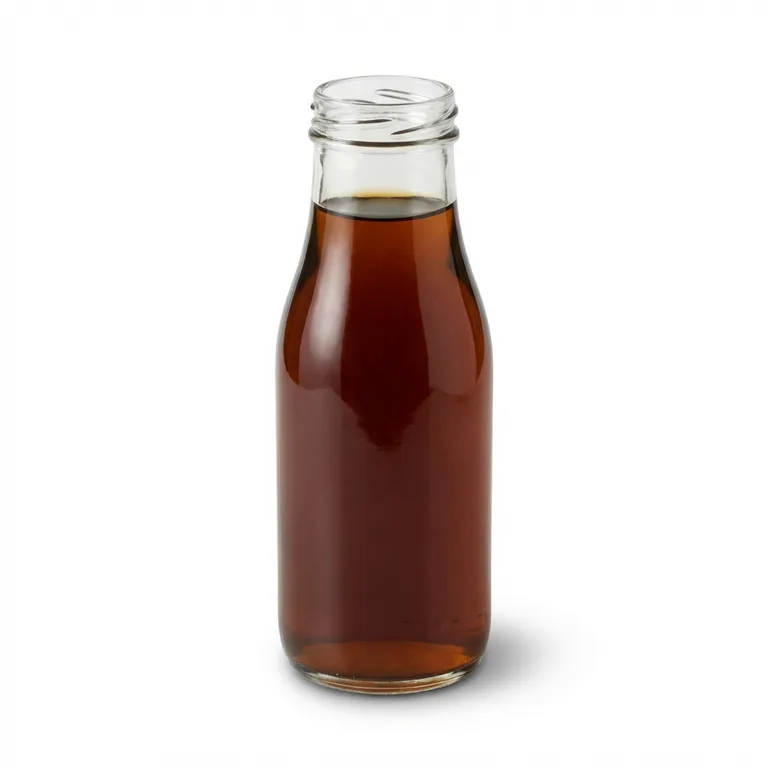
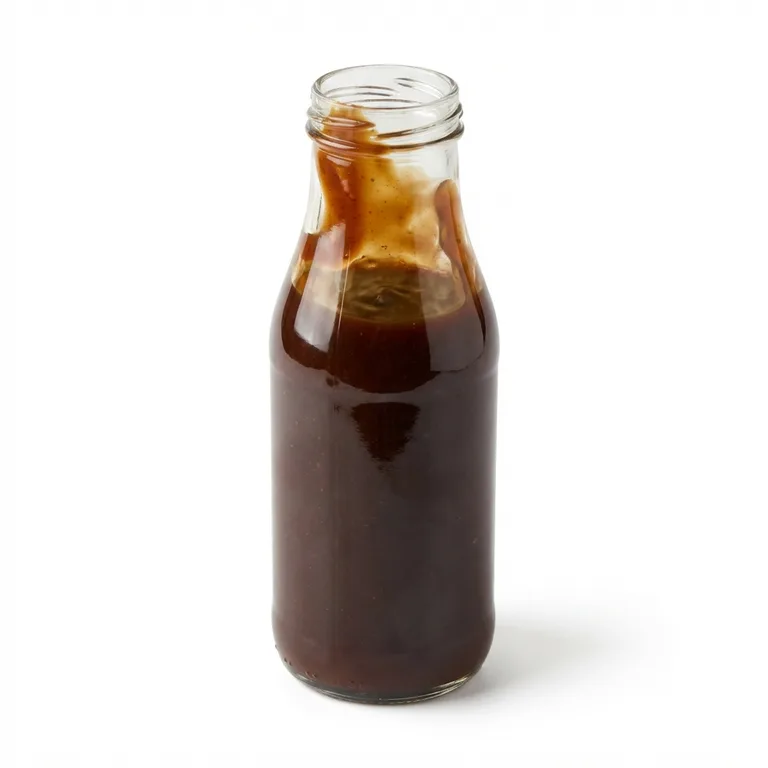

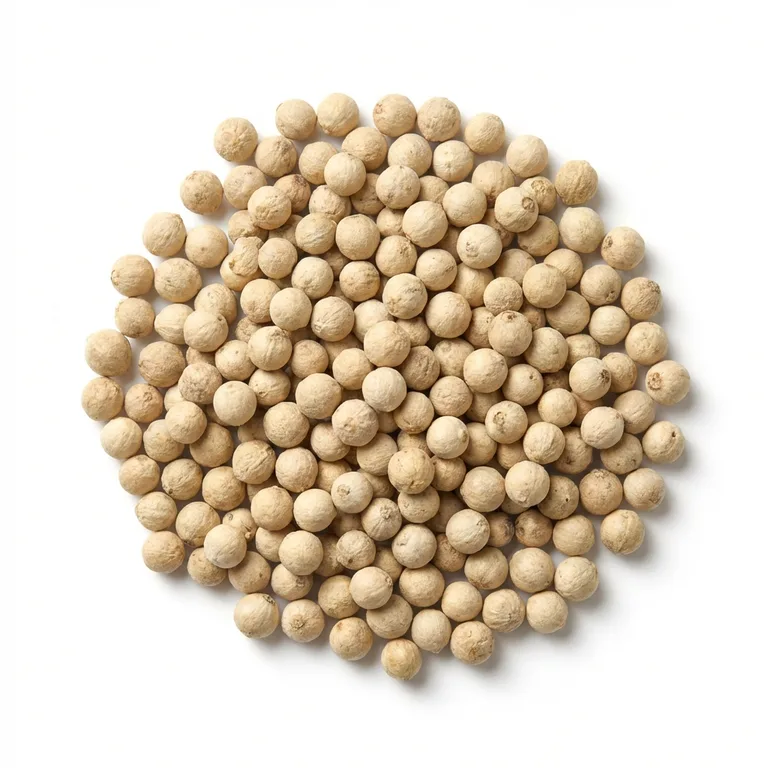
White pepper can trigger interstitial cystitis symptoms in some people, but the small amount in this recipe (~1/16 tsp per serving) is likely tolerated by many. If you prefer to always avoid white pepper, please tap it and change its rating to Red.
Scallions can trigger interstitial cystitis symptoms in some people, but counting all uses, this recipe has about 3/4 of a scallion per serving. That amount is likely tolerated by many. If you prefer to always avoid scallions, please tap them and change their rating to Red.
In a small bowl, stir together the soy sauce, oyster sauce, sesame oil, and white pepper. Set aside.
Heat a large wok or 12-inch skillet over high heat until a drop of water evaporates on contact. Add 1 tbsp of the neutral oil and swirl to coat. Add the shrimp in a single layer and cook undisturbed for 1 minute, then flip and cook for another 30–60 seconds, until the shrimp are pink, curled, and opaque throughout with no translucent gray at the center. Transfer to a plate and set aside.
Create a Fig account for step-by-step instructions, access to our full recipe library, and more!


 (16k)
(16k)