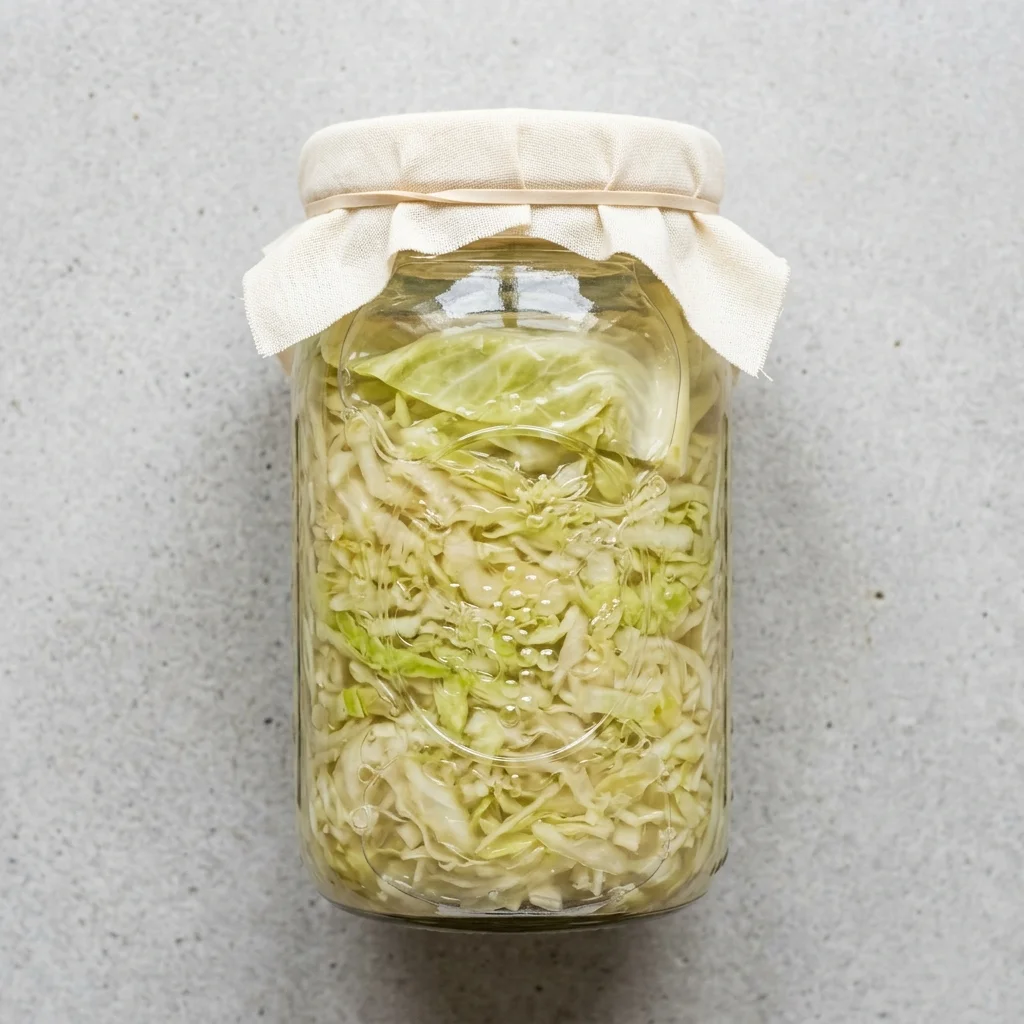
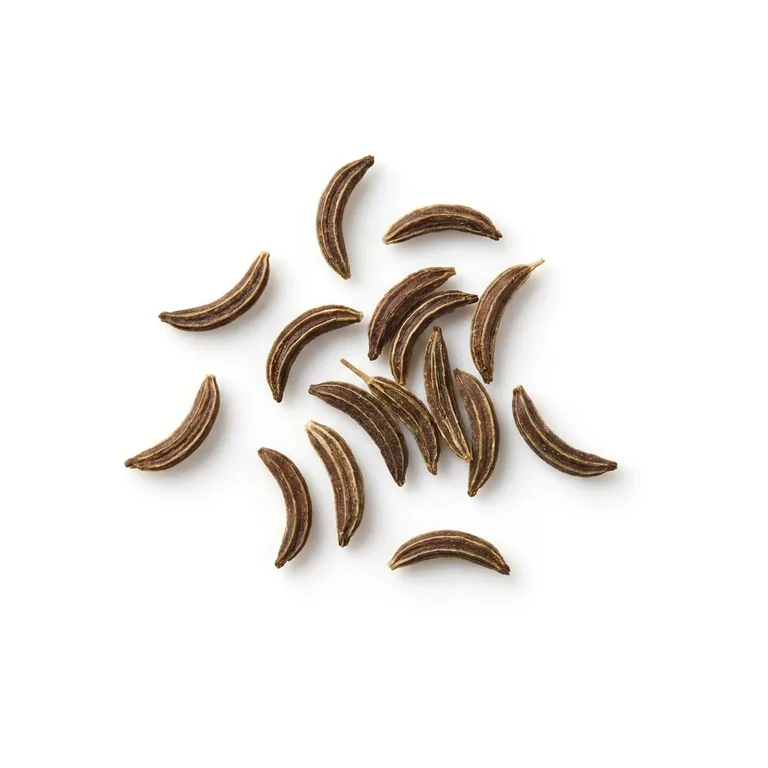
Tangy, crunchy, and deeply satisfying, this classic fermented cabbage is one of those kitchen projects that feels almost magical — just two ingredients and a little patience transform something humble into something genuinely special. The process relies entirely on salt, time, and the natural bacteria already living on the cabbage, which means there are no hidden additives, no vinegar shortcuts, and absolutely nothing to worry about on the allergen front. Lupin, a legume that quietly shows up in certain packaged foods and fermented products, has no place here whatsoever — this is as clean and straightforward as a recipe gets. Massaging the salt into the shredded cabbage until it releases its own brine is oddly therapeutic, and watching the jar bubble away on your counter over the following weeks is genuinely exciting. You can start tasting at the one-week mark for a mild, lightly sour kraut, or let it ride for up to a month if you want that deep, complex tang. A pinch of caraway seeds is optional but adds a subtle earthy note that makes it feel a little more old-world and special. Once it hits the fridge, it keeps beautifully and works on everything from grain bowls to grilled sausages to a simple fork-straight-from-the-jar snack.
 About Fig
Fig is a food discovery app that helps you find foods and recipes that fit your dietary needs. Whether you have food allergies, intolerances, or follow a specific diet, Fig makes it easy to eat with confidence.
Learn more →16 servings
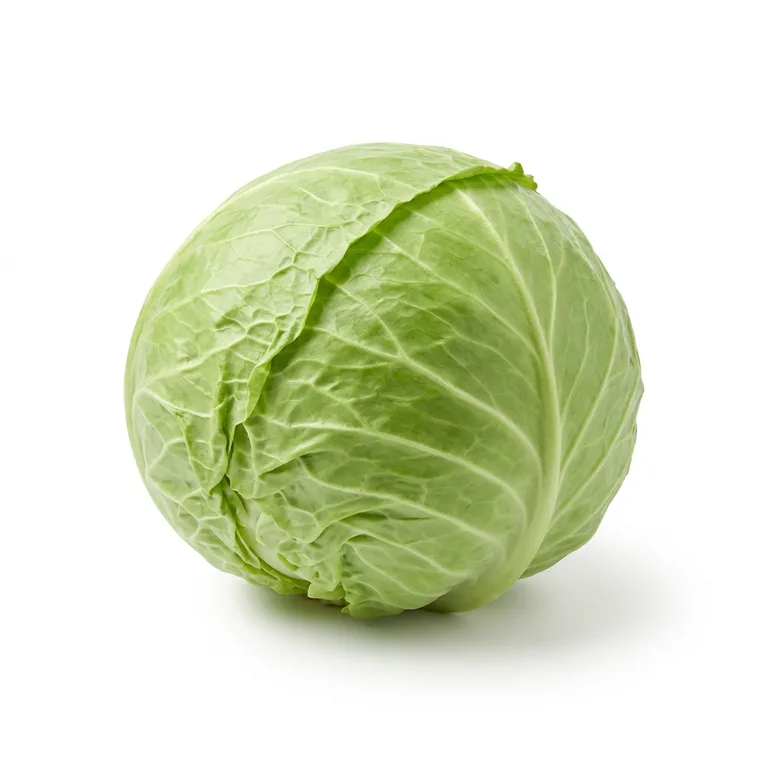
Quarter the cabbage through the core, cut out and discard the core, then slice each quarter crosswise into thin shreds about 1/8-inch thick using a chef's knife or mandoline. Reserve one or two of the large outer leaves before discarding the rest.
Transfer the shredded cabbage to a large mixing bowl. Sprinkle the salt evenly over the top and toss to distribute. Let it sit for 5 minutes, then massage and squeeze the cabbage firmly with both hands for 8–10 minutes, until it has released a significant amount of liquid and the shreds feel limp and wet — the brine should pool visibly at the bottom of the bowl.
Create a Fig account for step-by-step instructions, access to our full recipe library, and more!


 (16k)
(16k)