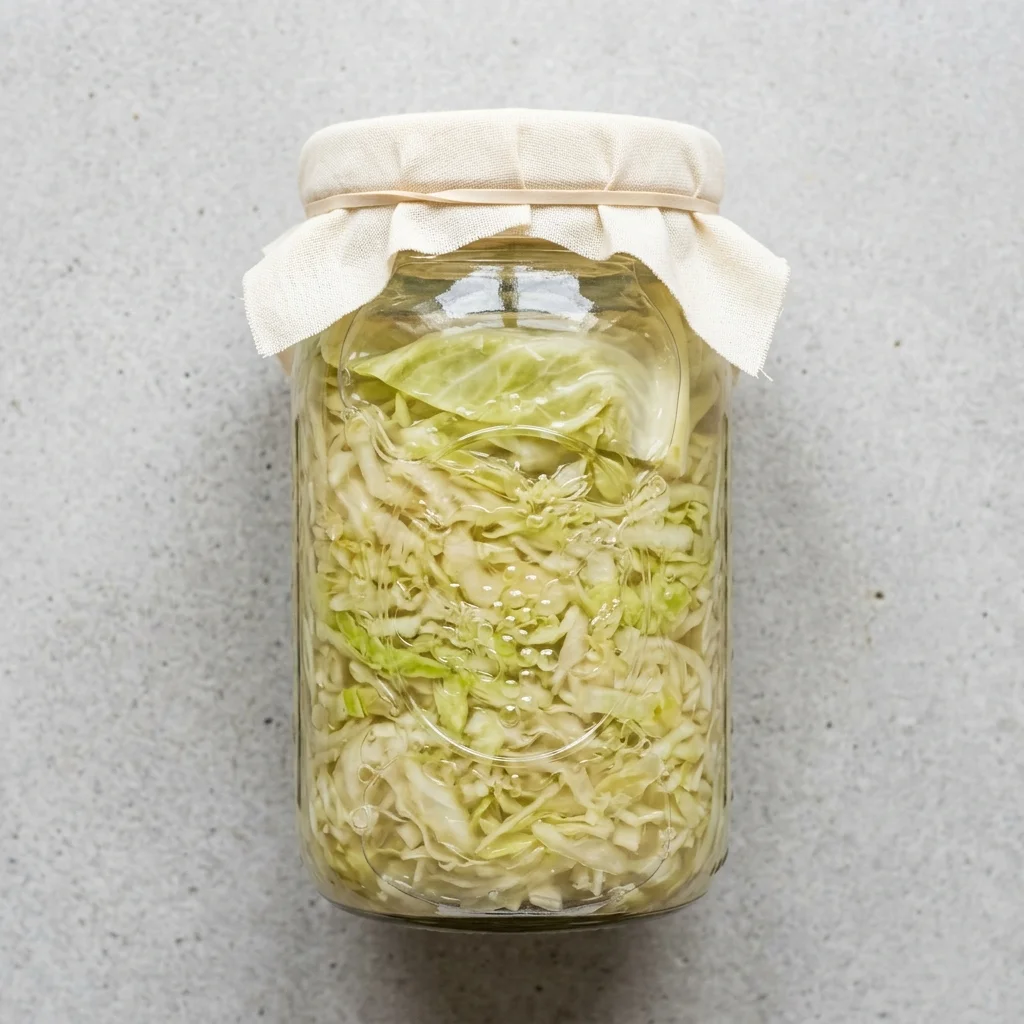
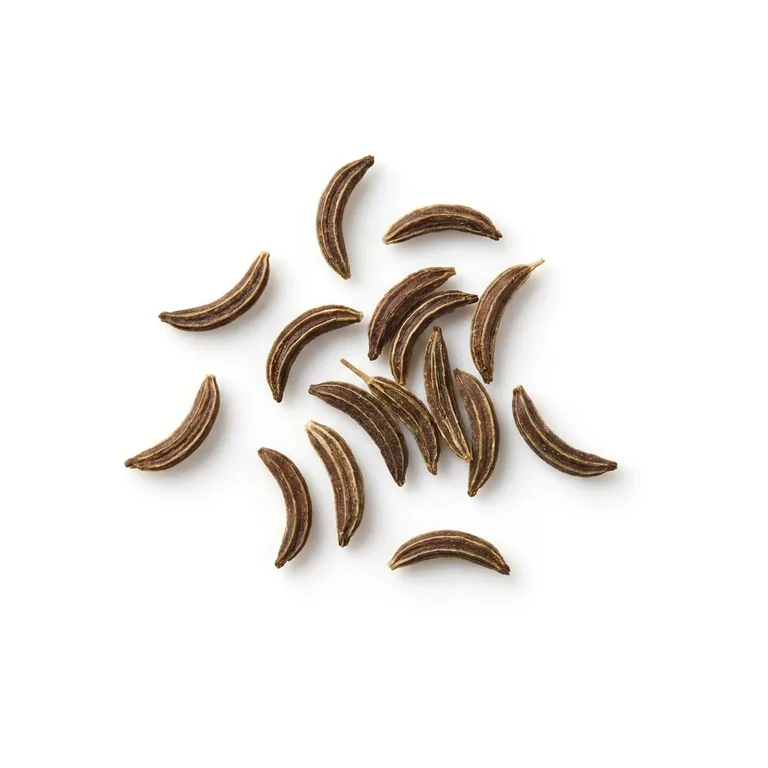
Tangy, crunchy, and deeply satisfying, this fermented cabbage is one of those kitchen projects that rewards patience with serious flavor. For anyone managing fructose sensitivity, sauerkraut is a smart staple — the long fermentation process breaks down much of the naturally occurring sugars in cabbage, making it far gentler on digestion than raw cabbage or store-bought versions that may contain added sugars or vinegar. Here, the only ingredients are cabbage, non-iodized salt, and optional caraway seeds, so there are no hidden sweeteners or additives to second-guess. The process is beautifully hands-on: you massage the cabbage until it releases its own brine, pack it into a jar, and let time and beneficial bacteria do the rest. Daily check-ins keep things on track, and you get to taste-test your way to exactly the level of sourness you love — mild and crunchy at one week, deeply complex and soft by week four. Once it hits the fridge, you have a versatile condiment ready to pile onto plates whenever you need it.
 About Fig
Fig is a food discovery app that helps you find foods and recipes that fit your dietary needs. Whether you have food allergies, intolerances, or follow a specific diet, Fig makes it easy to eat with confidence.
Learn more →16 servings
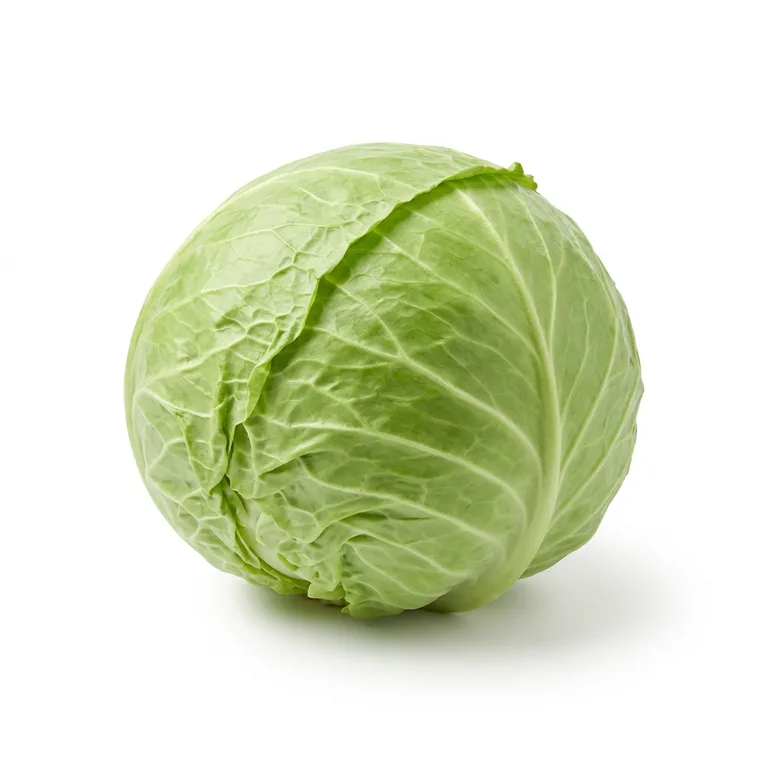
Quarter the cabbage through the core, cut out and discard the core, then slice each quarter crosswise into thin shreds about 1/8-inch thick using a chef's knife or mandoline. Reserve one or two of the large outer leaves before discarding the rest.
Transfer the shredded cabbage to a large mixing bowl. Sprinkle the salt evenly over the top and toss to distribute. Let it sit for 5 minutes, then massage and squeeze the cabbage firmly with both hands for 8–10 minutes, until it has released a significant amount of liquid and the shreds feel limp and wet — the brine should pool visibly at the bottom of the bowl.
Create a Fig account for step-by-step instructions, access to our full recipe library, and more!


 (16k)
(16k)