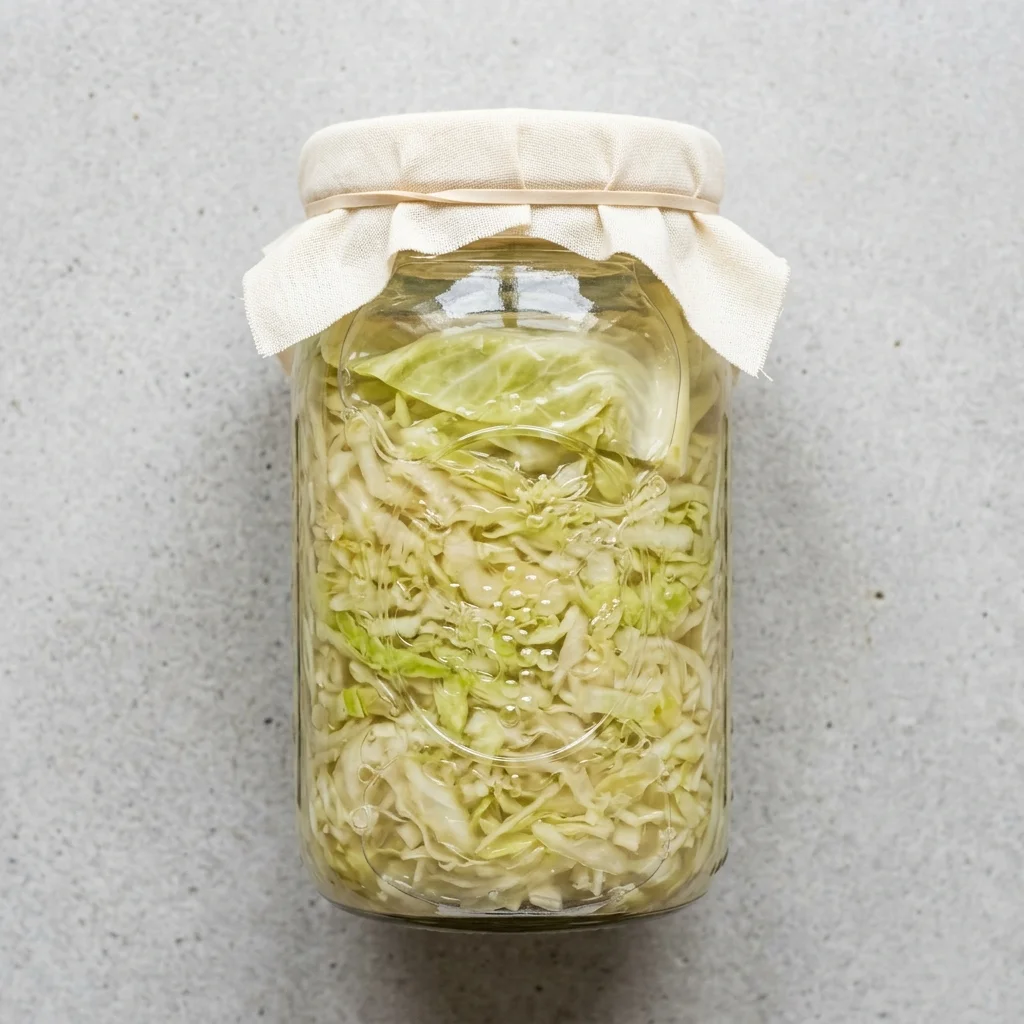
Fermented foods are a cornerstone of gut-supportive eating, and homemade sauerkraut is one of the simplest and most rewarding ways to get there. This version uses just cabbage, non-iodized salt, and optional caraway seeds — nothing hidden, nothing processed, nothing that would raise a red flag for anyone managing yeast overgrowth. The magic happens through natural lacto-fermentation, where the cabbage's own sugars are converted by beneficial bacteria into lactic acid, creating that signature tang without any vinegar or additives. Store-bought versions often contain preservatives or added acids that can complicate a carefully managed diet, so making your own puts you fully in control of every ingredient. The hands-on process — massaging the cabbage until it releases its own brine, packing it into a mason jar, and watching it slowly transform over one to four weeks — is genuinely satisfying and requires no special equipment. Tasting it daily as it develops lets you pull it at exactly the level of sourness you prefer, whether you like it bright and mild at the one-week mark or deeply tangy after a full month in the jar. A spoonful alongside eggs, grilled protein, or simple roasted vegetables makes it one of the most versatile condiments you can keep in the fridge.
 About Fig
Fig is a food discovery app that helps you find foods and recipes that fit your dietary needs. Whether you have food allergies, intolerances, or follow a specific diet, Fig makes it easy to eat with confidence.
Learn more →16 servings
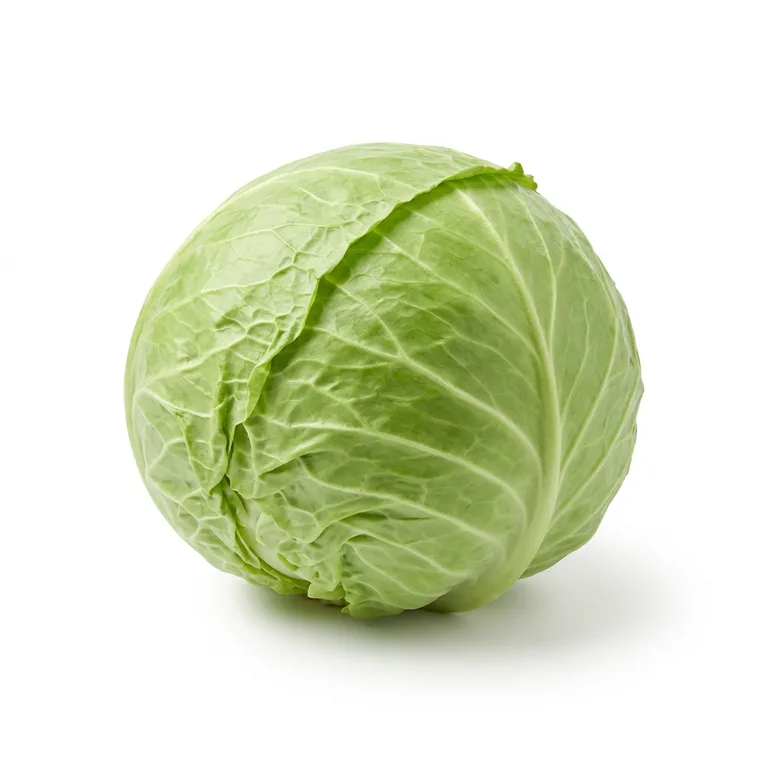
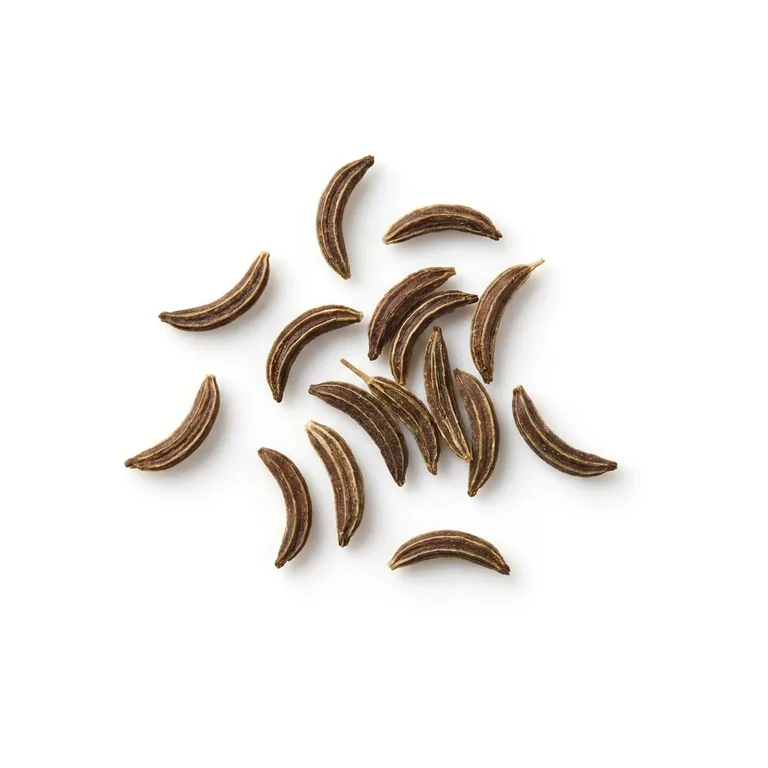
Quarter the cabbage through the core, cut out and discard the core, then slice each quarter crosswise into thin shreds about 1/8-inch thick using a chef's knife or mandoline. Reserve one or two of the large outer leaves before discarding the rest.
Transfer the shredded cabbage to a large mixing bowl. Sprinkle the salt evenly over the top and toss to distribute. Let it sit for 5 minutes, then massage and squeeze the cabbage firmly with both hands for 8–10 minutes, until it has released a significant amount of liquid and the shreds feel limp and wet — the brine should pool visibly at the bottom of the bowl.
Create a Fig account for step-by-step instructions, access to our full recipe library, and more!


 (16k)
(16k)