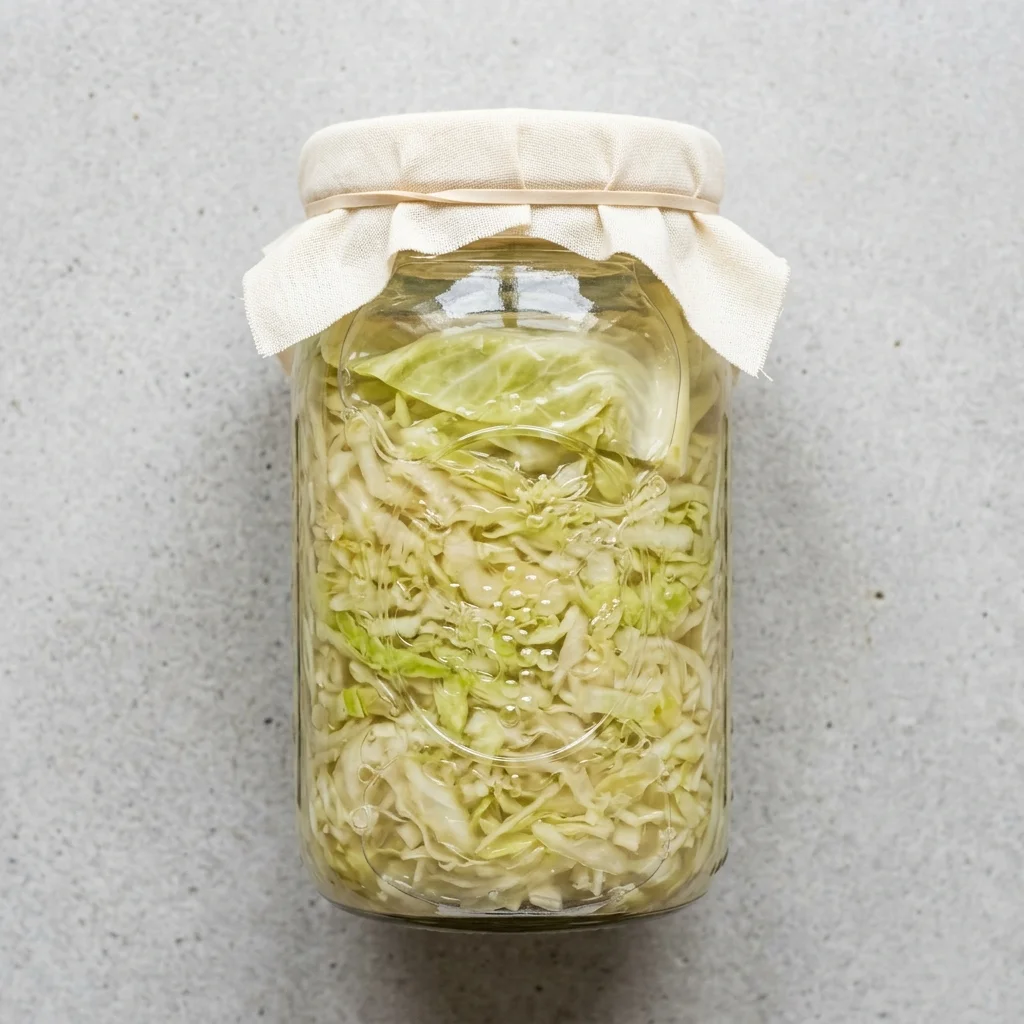
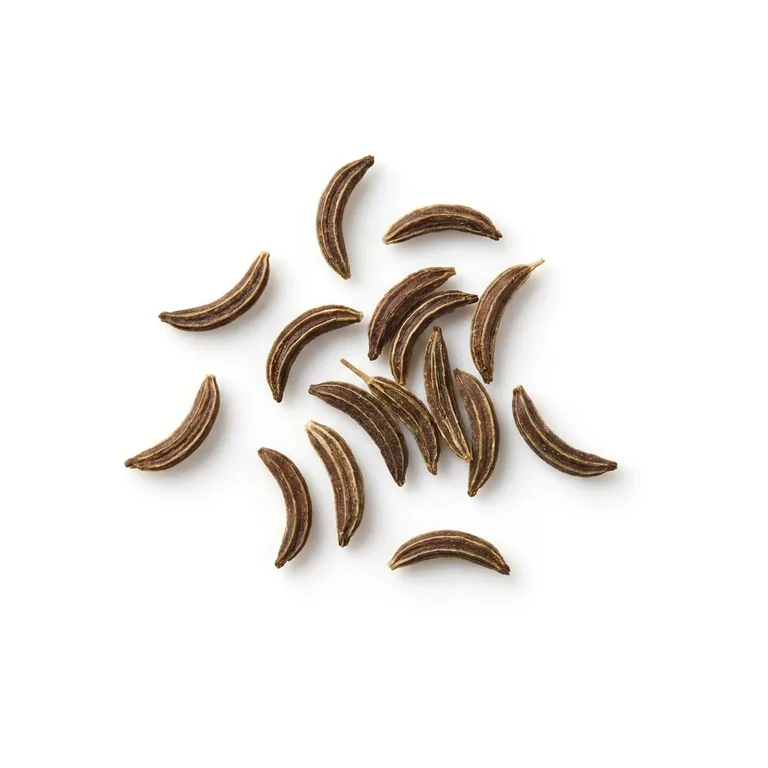
Fermented foods have earned serious attention for their gut-supporting properties, and homemade sauerkraut is one of the simplest and most rewarding ways to get them into your diet. The live cultures that develop during lacto-fermentation are exactly what makes this more than just a condiment — they're the kind of beneficial bacteria linked to reduced inflammation and a healthier microbiome. Store-bought versions often contain vinegar and preservatives that short-circuit the fermentation process entirely, meaning you miss out on most of the good stuff. This recipe uses just cabbage, non-iodized salt, and optional caraway seeds, letting the natural process do all the work over one to four weeks at room temperature. The hands-on time is minimal — a good massage session to draw out the brine, a tight pack into a mason jar, and then patience. You'll watch it transform from crisp raw cabbage into something tangy, complex, and deeply satisfying. Pile it on grain bowls, tuck it alongside roasted vegetables, or eat it straight from the jar — your gut will thank you either way.
 About Fig
Fig is a food discovery app that helps you find foods and recipes that fit your dietary needs. Whether you have food allergies, intolerances, or follow a specific diet, Fig makes it easy to eat with confidence.
Learn more →16 servings
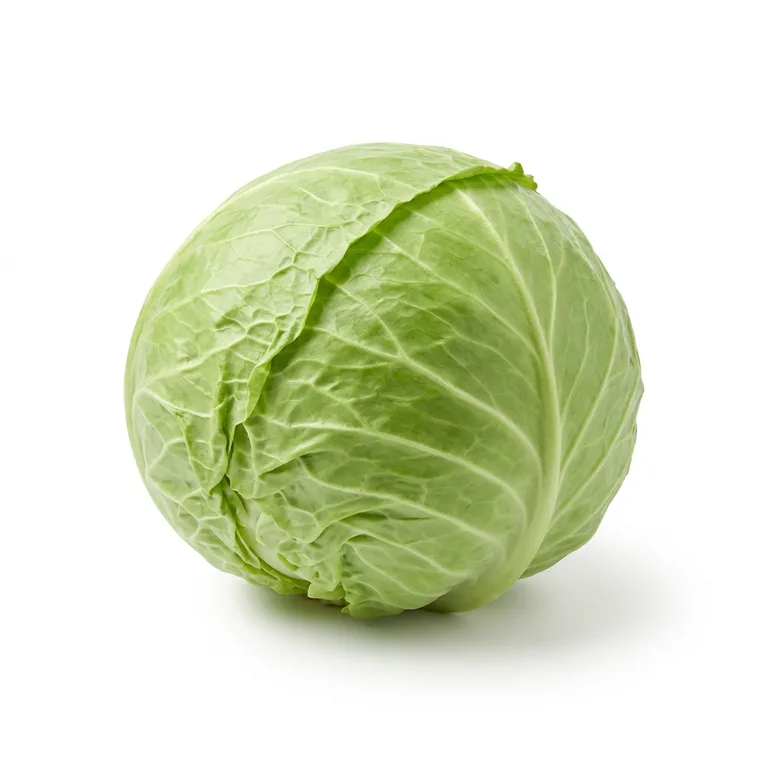
Quarter the cabbage through the core, cut out and discard the core, then slice each quarter crosswise into thin shreds about 1/8-inch thick using a chef's knife or mandoline. Reserve one or two of the large outer leaves before discarding the rest.
Transfer the shredded cabbage to a large mixing bowl. Sprinkle the salt evenly over the top and toss to distribute. Let it sit for 5 minutes, then massage and squeeze the cabbage firmly with both hands for 8–10 minutes, until it has released a significant amount of liquid and the shreds feel limp and wet — the brine should pool visibly at the bottom of the bowl.
Create a Fig account for step-by-step instructions, access to our full recipe library, and more!


 (16k)
(16k)