Soft, pillowy, and golden-topped, these classic potato rolls are the kind of pull-apart bread that disappears from the table before it even has a chance to cool. The secret is the mashed russet potato worked right into the dough — it adds a subtle richness and keeps the crumb incredibly tender and moist in a way that plain flour rolls just can't match. Every ingredient here is straightforward and naturally free of soy: real butter, whole milk, egg, flour, and a fresh potato you boil and mash yourself, so there's no need to scrutinize labels for hidden soy derivatives the way you might with store-bought rolls or packaged dough. The two-rise process sounds involved, but the stand mixer does most of the heavy lifting, and the result is a batch of twelve beautifully domed rolls with a feathery interior and a buttery, glossy crust. Brushing them with melted butter straight out of the oven is non-negotiable — it gives them that irresistible sheen and a rich finish that makes them just as good on their own as they are alongside a holiday roast or a weeknight soup. These are the rolls people ask you to bring to every gathering, and once you understand how simple the process really is, you'll be happy to oblige.
 About Fig
Fig is a food discovery app that helps you find foods and recipes that fit your dietary needs. Whether you have food allergies, intolerances, or follow a specific diet, Fig makes it easy to eat with confidence.
Learn more →12 servings
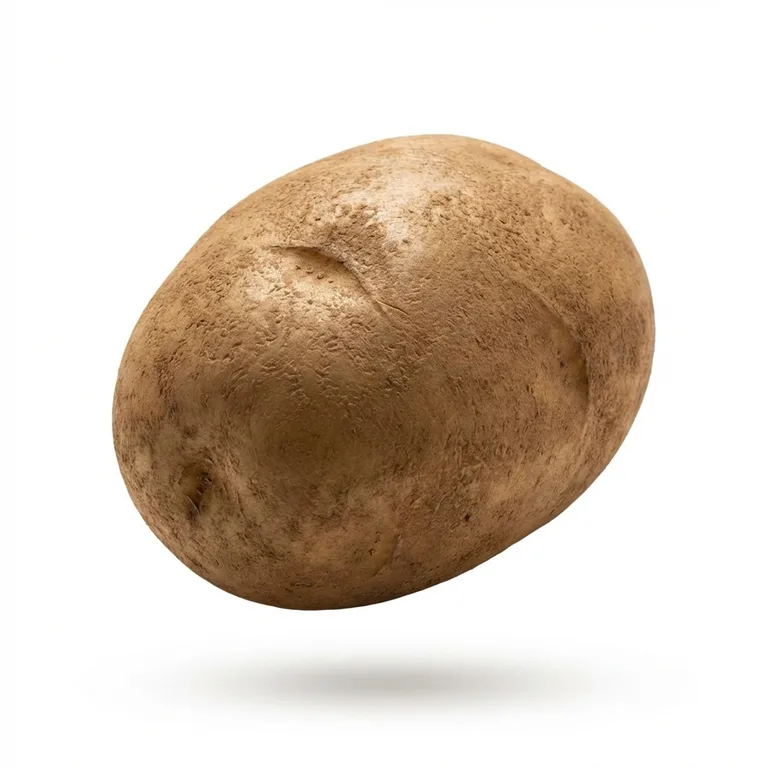
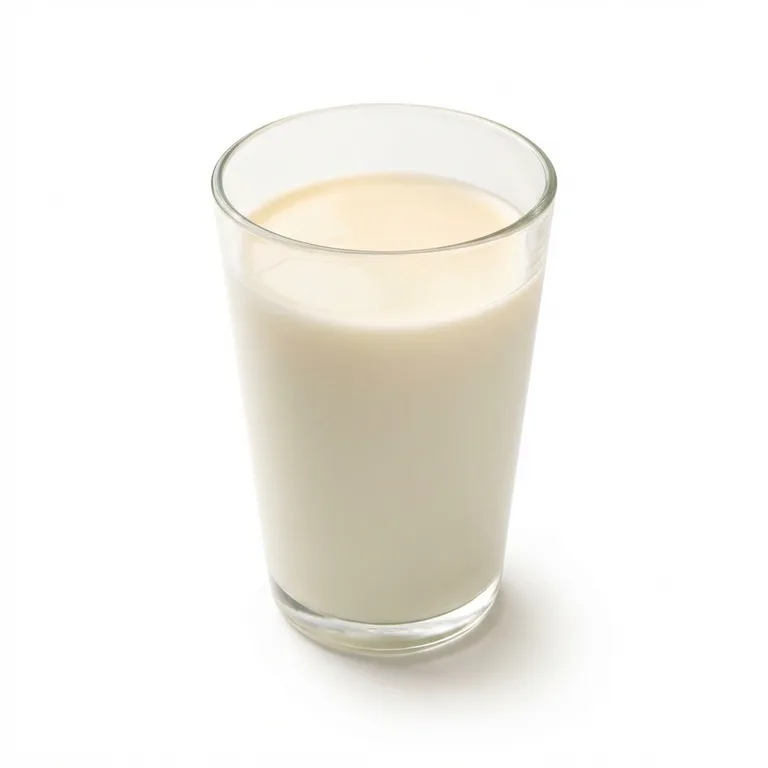
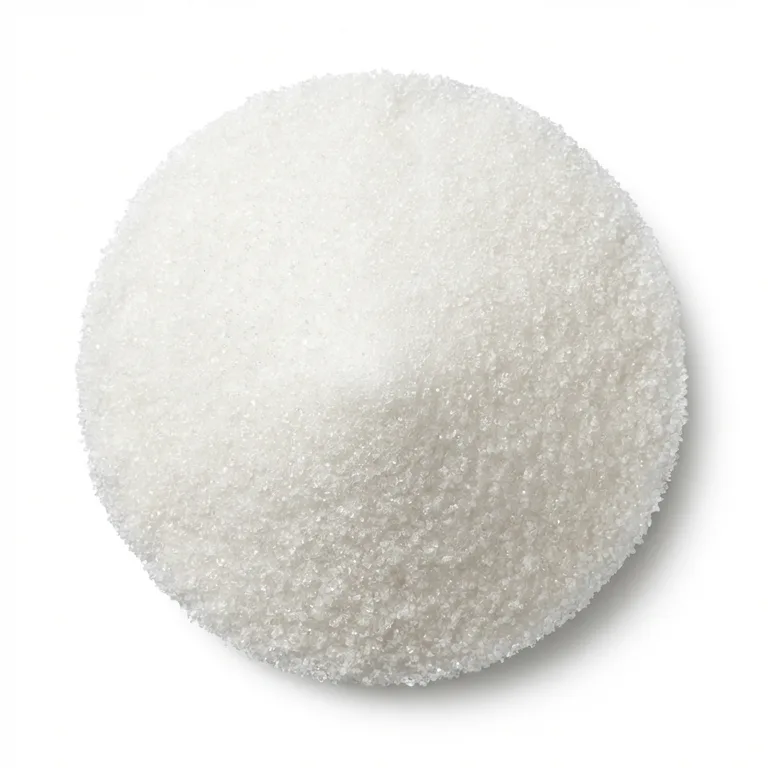
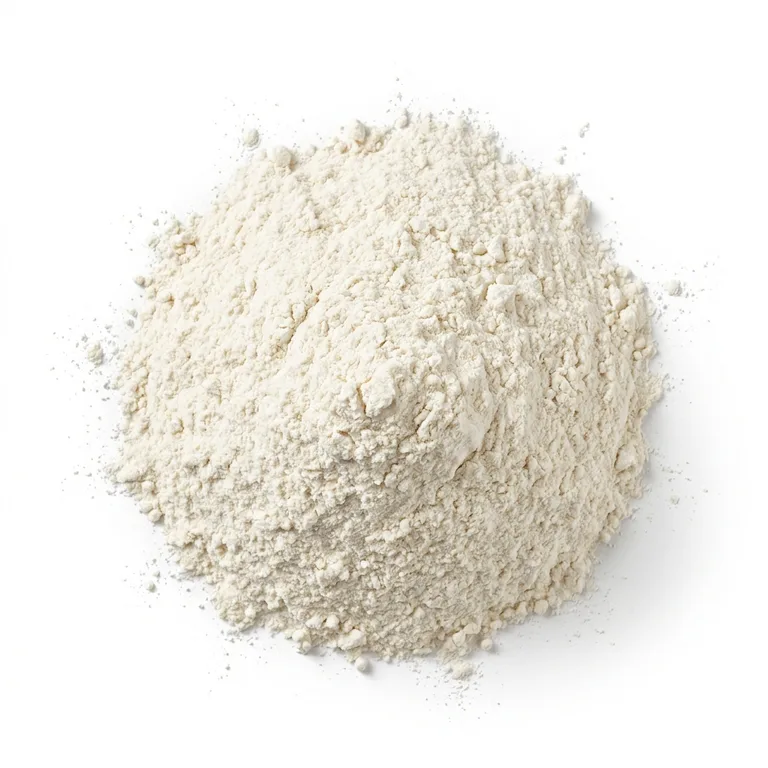
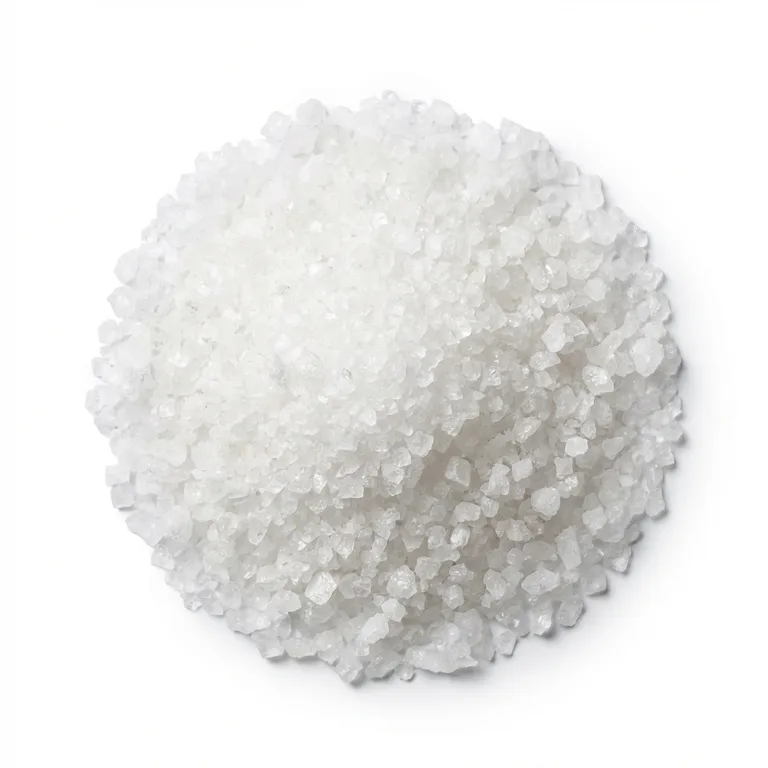
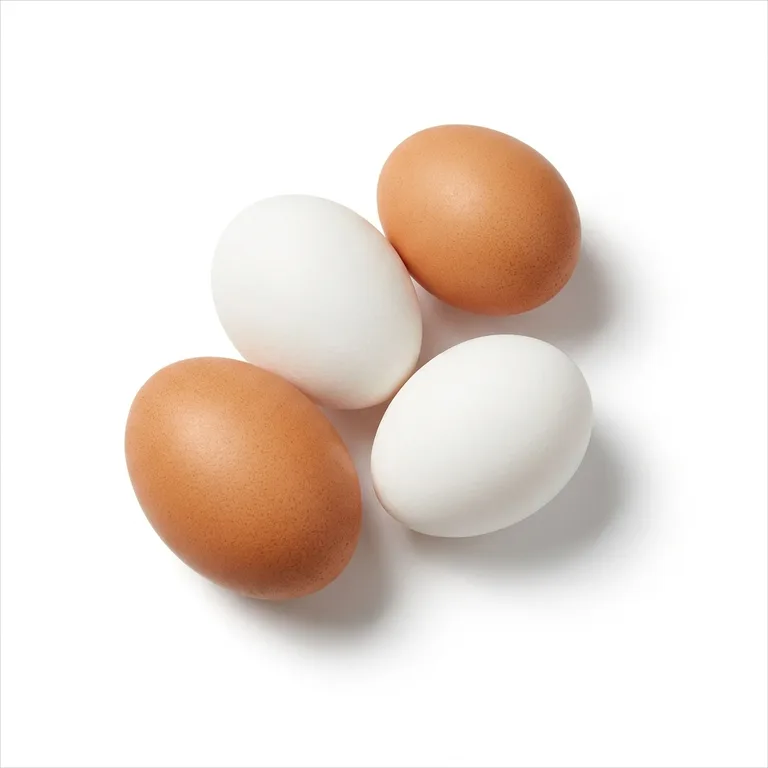
Place the potato chunks in a small saucepan, cover with cold water by 1 inch, and bring to a boil over medium-high heat. Cook until completely tender and a fork slides through without resistance, about 12–15 minutes. Drain, then mash or rice the potato until completely smooth — no lumps. Measure out 3/4 cup of mashed potato and let it cool to room temperature. (Reserve any extra for another use.)
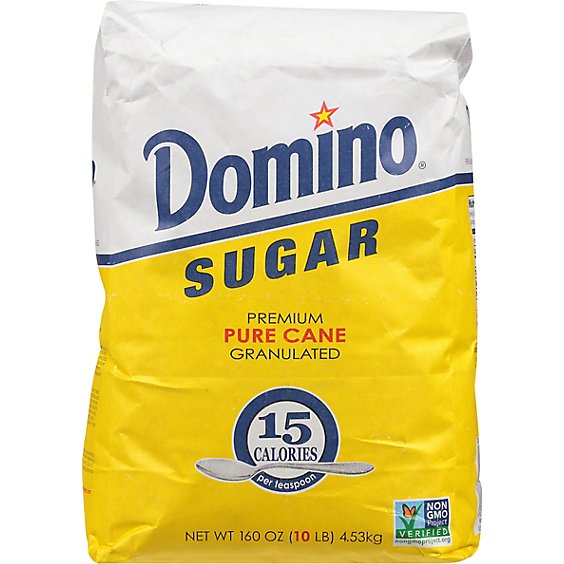
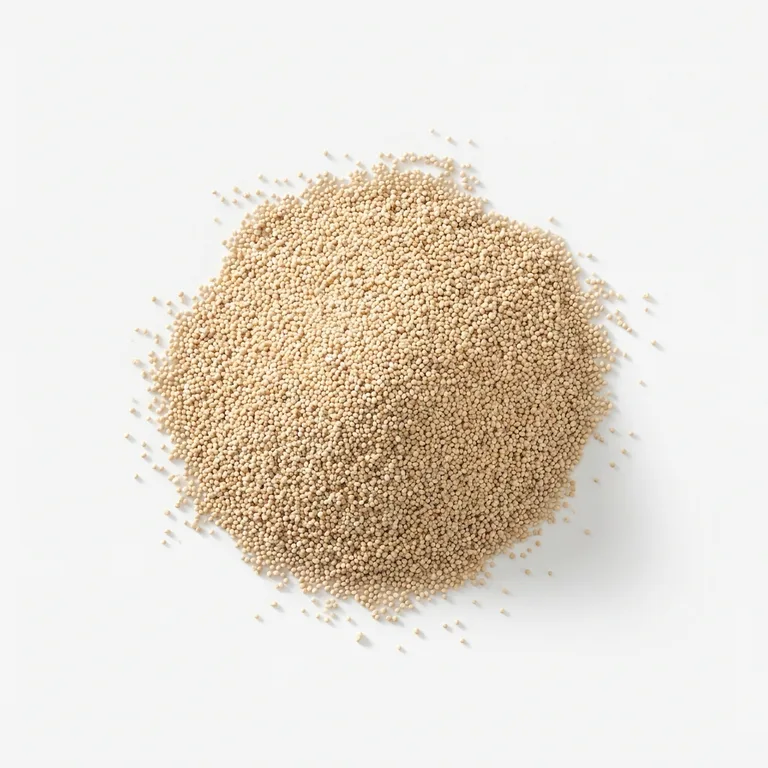
In the bowl of a stand mixer, combine the warm milk, yeast, and sugar. Stir briefly and let stand until foamy and fragrant, about 5–10 minutes. If the mixture does not foam, the yeast is not active — start over with fresh yeast.
Create a Fig account for step-by-step instructions, access to our full recipe library, and more!


 (16k)
(16k)