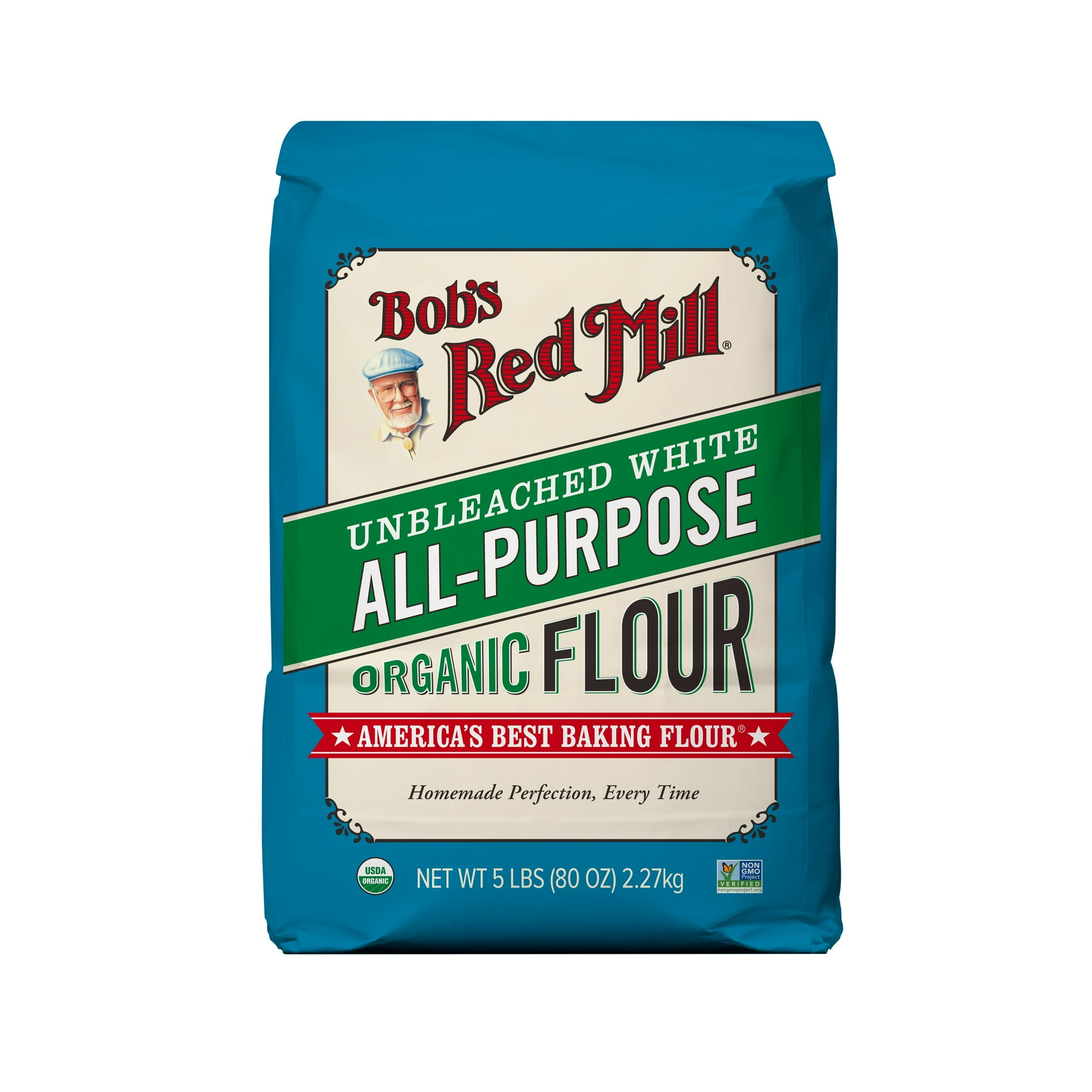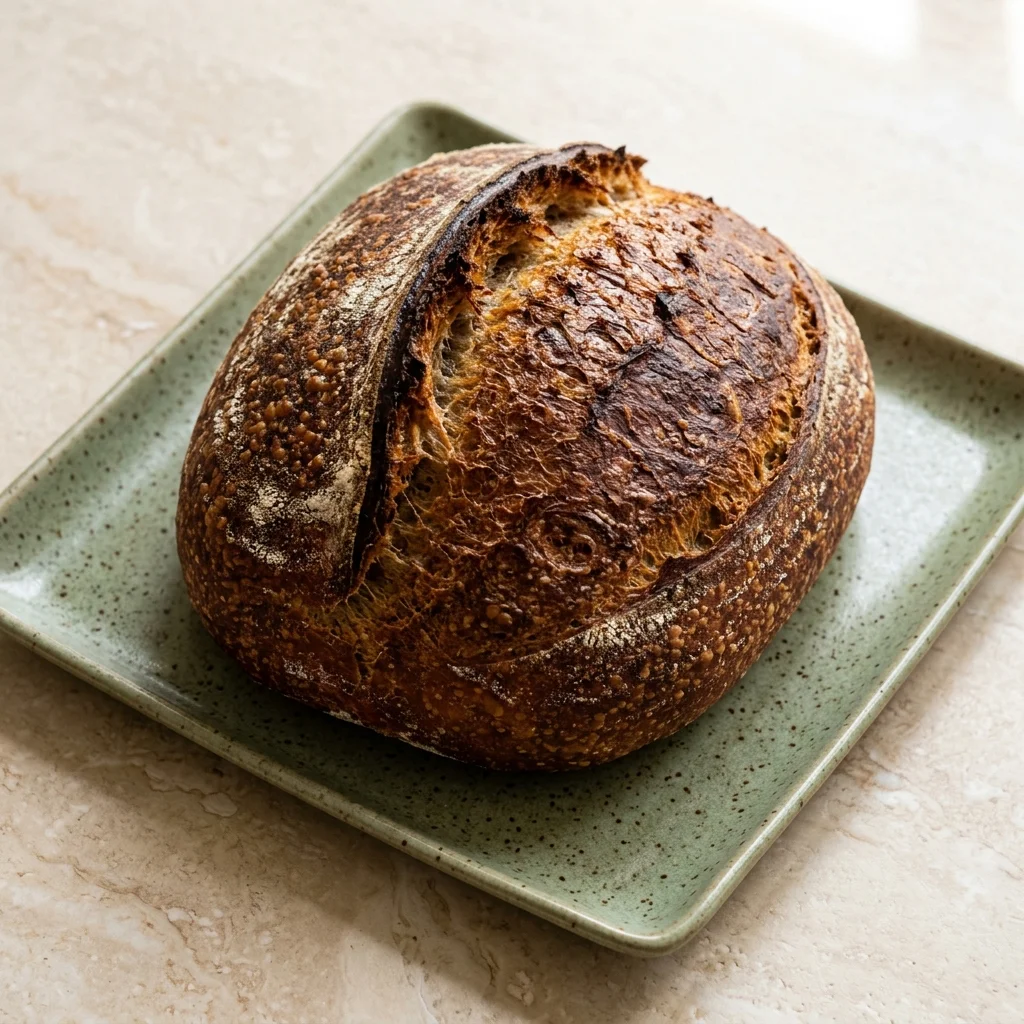
There is something deeply satisfying about pulling a golden, crackling loaf out of a screaming-hot Dutch oven, especially when the ingredient list is this short. Four pantry staples — flour, yeast, salt, and water — come together into a dough that does most of the work on its own during a long, slow overnight rest. That extended fermentation is what builds the complex, slightly tangy flavor and the open, chewy crumb that makes this bread taste like it came from a serious bakery. Because the recipe is entirely plant-based and relies on nothing but basic dry goods and water, there are zero hidden animal-derived additives to worry about — no surprise gelatin lurking in a glaze or enrichment. The Dutch oven method traps steam in the early stages of baking, giving the crust that audible crunch and deep mahogany color without any special equipment beyond what most home kitchens already have. Patience is really the only skill required here; the dough is intentionally sticky and rough-looking, so resist the urge to add extra flour and trust the process. Once you slice into that first warm loaf, you will understand why this technique has become a staple for home bakers everywhere.
 About Fig
Fig is a food discovery app that helps you find foods and recipes that fit your dietary needs. Whether you have food allergies, intolerances, or follow a specific diet, Fig makes it easy to eat with confidence.
Learn more →8 servings


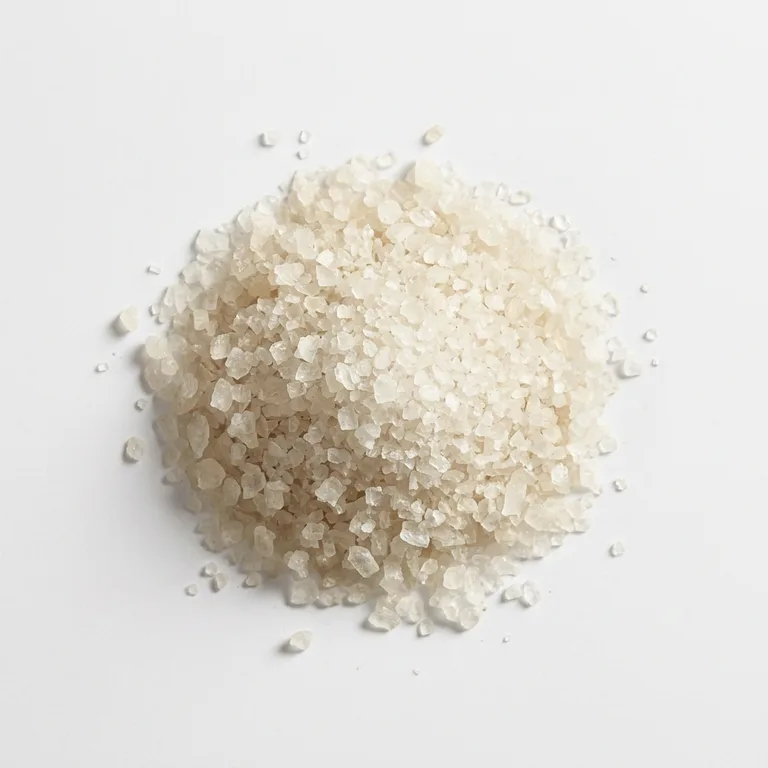

In a large mixing bowl, whisk together the flour, instant yeast, and kosher salt. Add the water and stir with a wooden spoon or rubber spatula until no dry flour remains and a shaggy, sticky dough forms — about 1 minute. The dough will look rough and wet; that is correct.
Cover the bowl tightly with plastic wrap or a damp kitchen towel and let the dough rest at room temperature for 12 to 18 hours, until the surface is dotted with bubbles and the dough has roughly doubled in size.
Create a Fig account for step-by-step instructions, access to our full recipe library, and more!


 (16k)
(16k)