
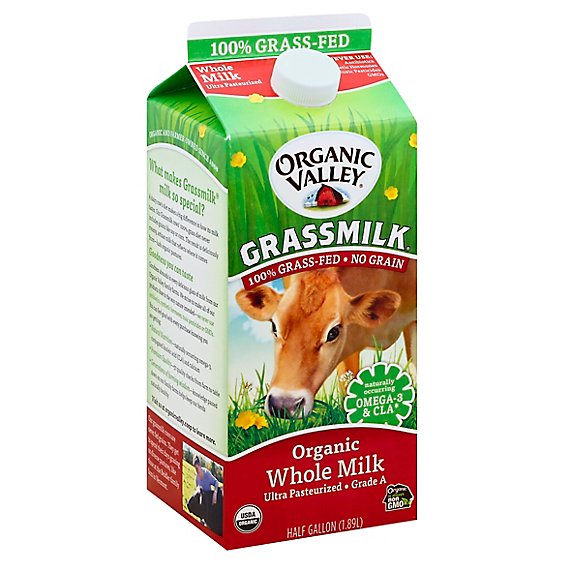
There is something deeply satisfying about pulling a batch of homemade English muffins off a cast iron skillet, golden and fragrant, knowing you made them entirely from scratch. The dough comes together with whole milk, butter, flour, and a touch of sugar — simple pantry staples that happen to be completely meat- and animal-byproduct-free in any meaningful sense, making this an easy win for plant-curious and vegetarian households alike. The real magic here is in the technique: keeping the dough soft and sticky, patting rather than rolling, and splitting with a fork instead of a knife to coax out those legendary nooks and crannies. Those little pockets are what make a homemade English muffin worth every minute — they catch butter and jam in a way a store-bought version simply cannot replicate. Cooking them low and slow on a griddle rather than baking in an oven gives the crust that characteristic chew and deep golden color without drying out the interior. Once you've made these once, reaching for a plastic-wrapped supermarket pack is going to feel like a serious step down.
 About Fig
Fig is a food discovery app that helps you find foods and recipes that fit your dietary needs. Whether you have food allergies, intolerances, or follow a specific diet, Fig makes it easy to eat with confidence.
Learn more →8 servings
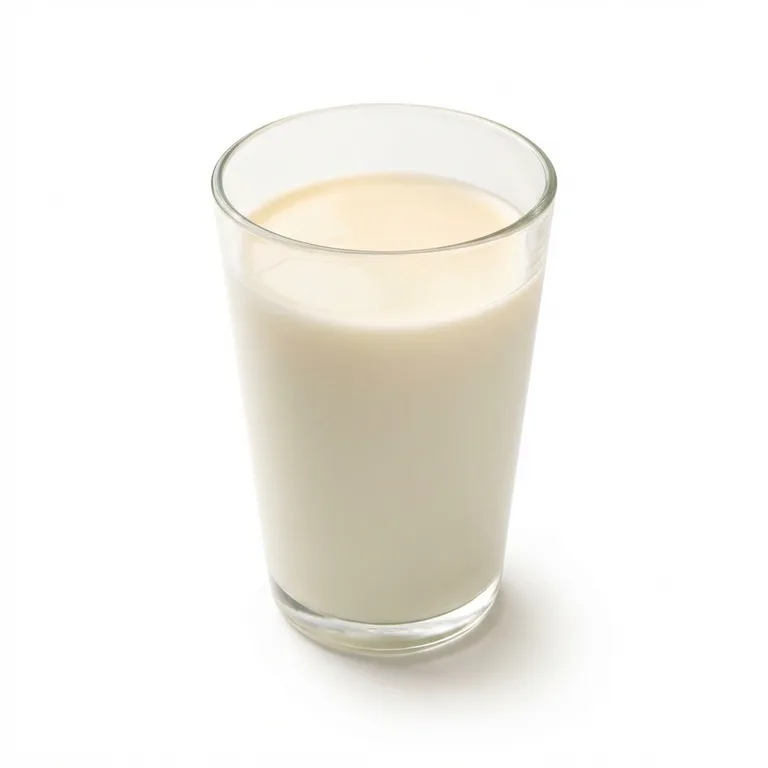
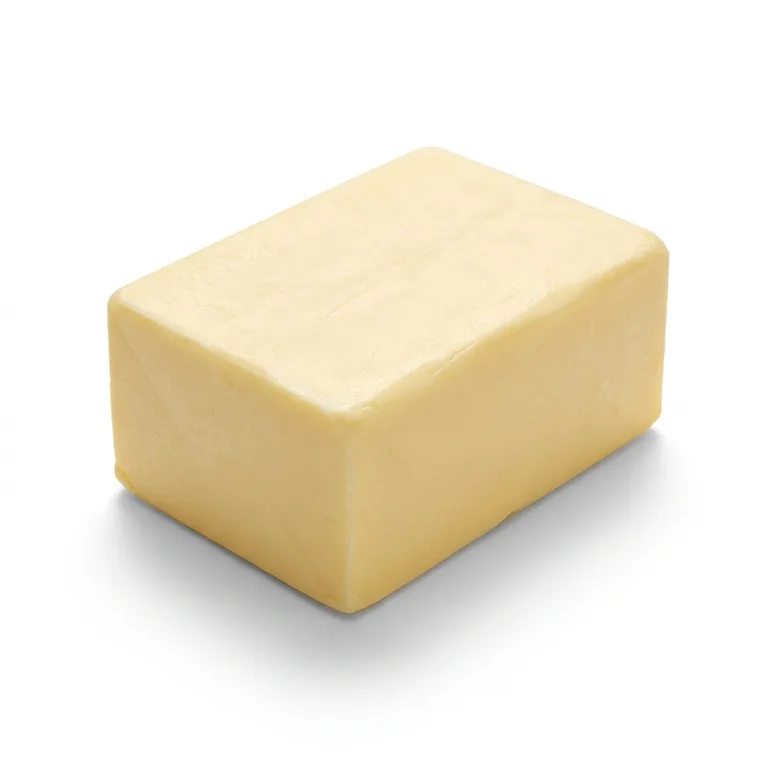
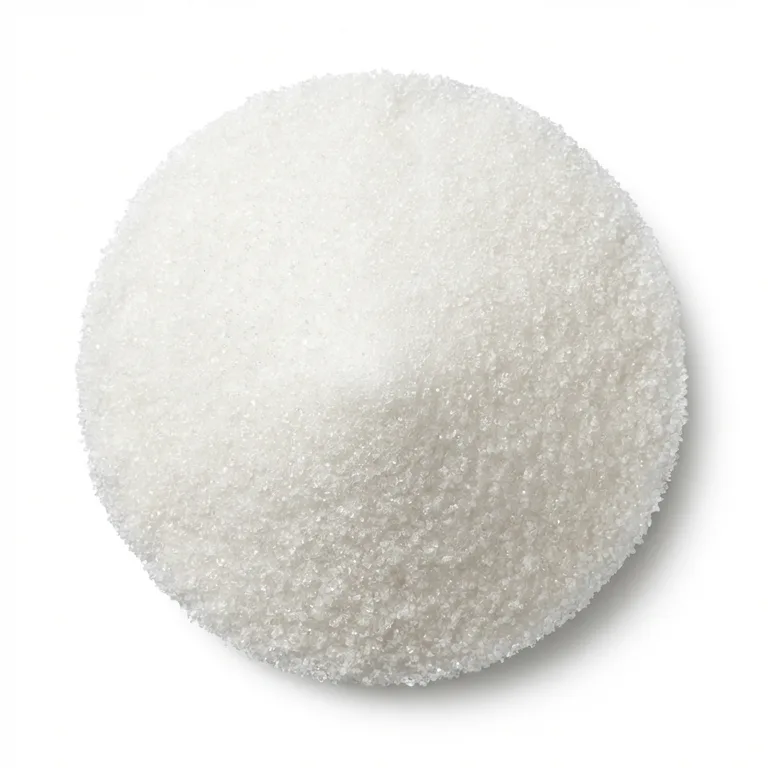
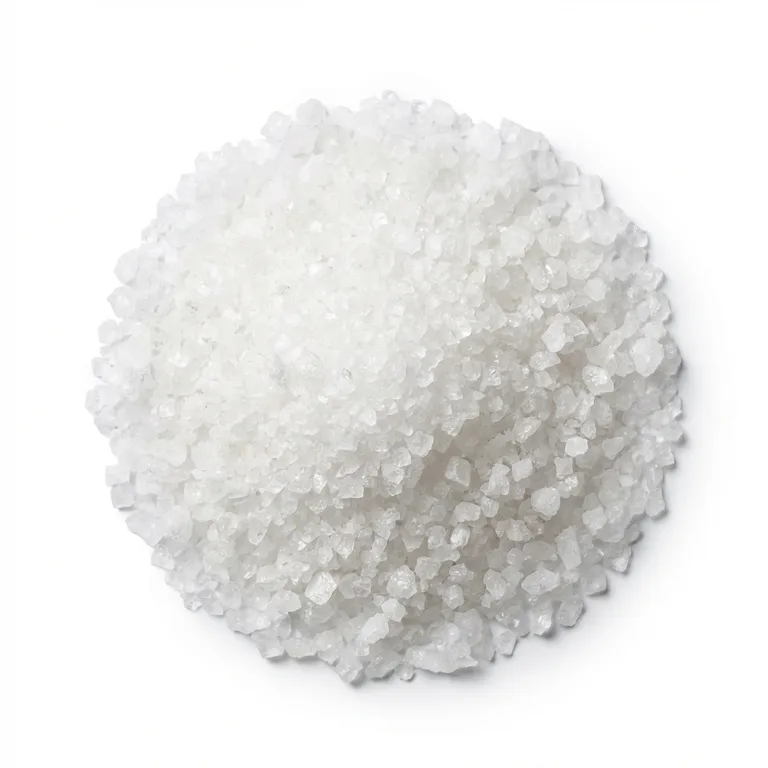
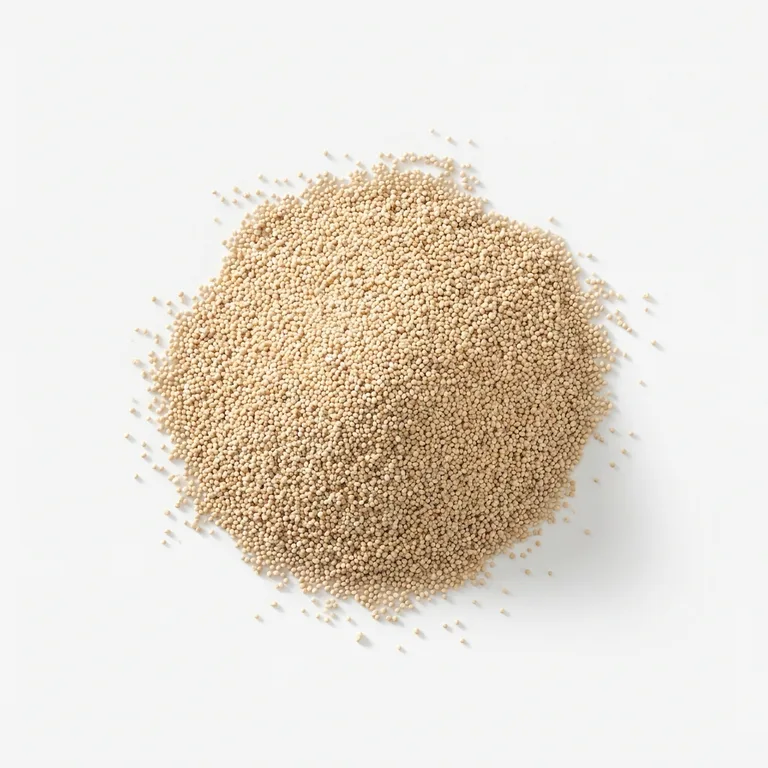

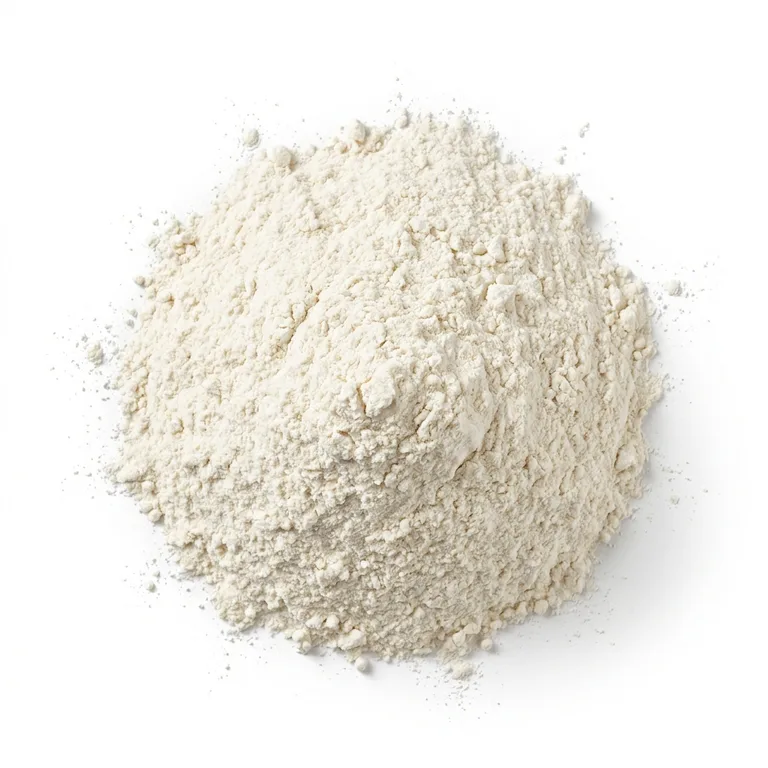
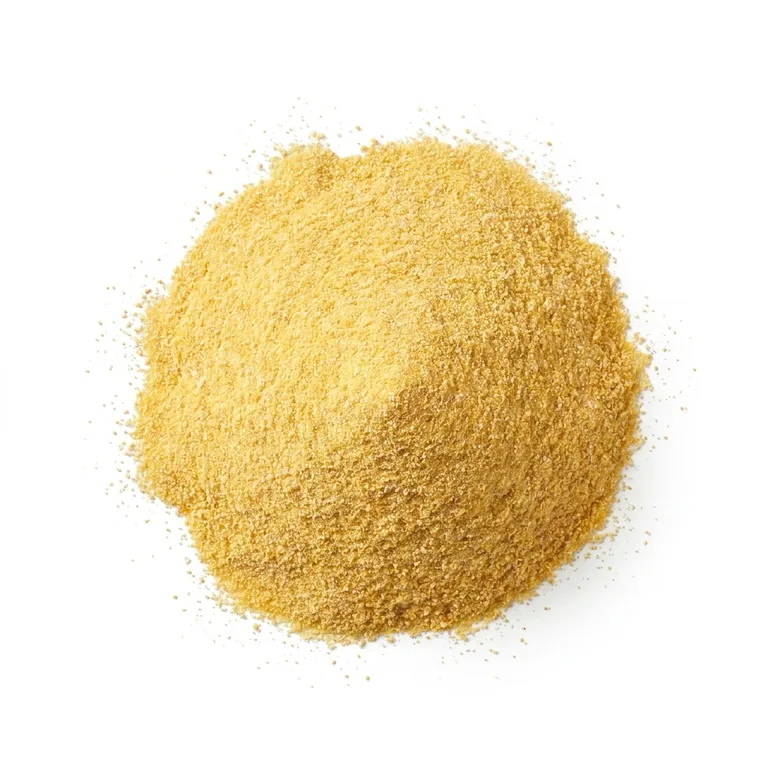
Combine the milk, butter, sugar, and salt in a small saucepan over medium-low heat, stirring occasionally, until the butter melts and the mixture reaches about 110°F (43°C) — warm to the touch but not hot. Remove from heat.
Stir the yeast into the warm water in a large mixing bowl and let stand for 5 minutes, until foamy and fragrant.
Create a Fig account for step-by-step instructions, access to our full recipe library, and more!


 (16k)
(16k)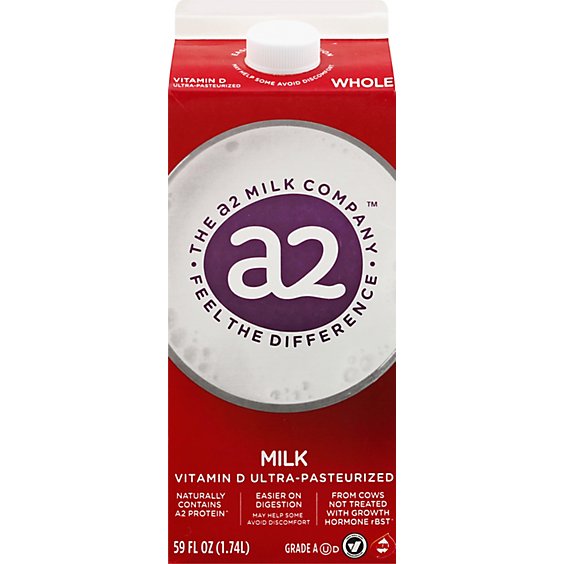

:format(webp)/www.instacart.com/assets/domains/product-image/file/large_0b753151-d023-4b4e-bda6-c3623668e6e5.png)