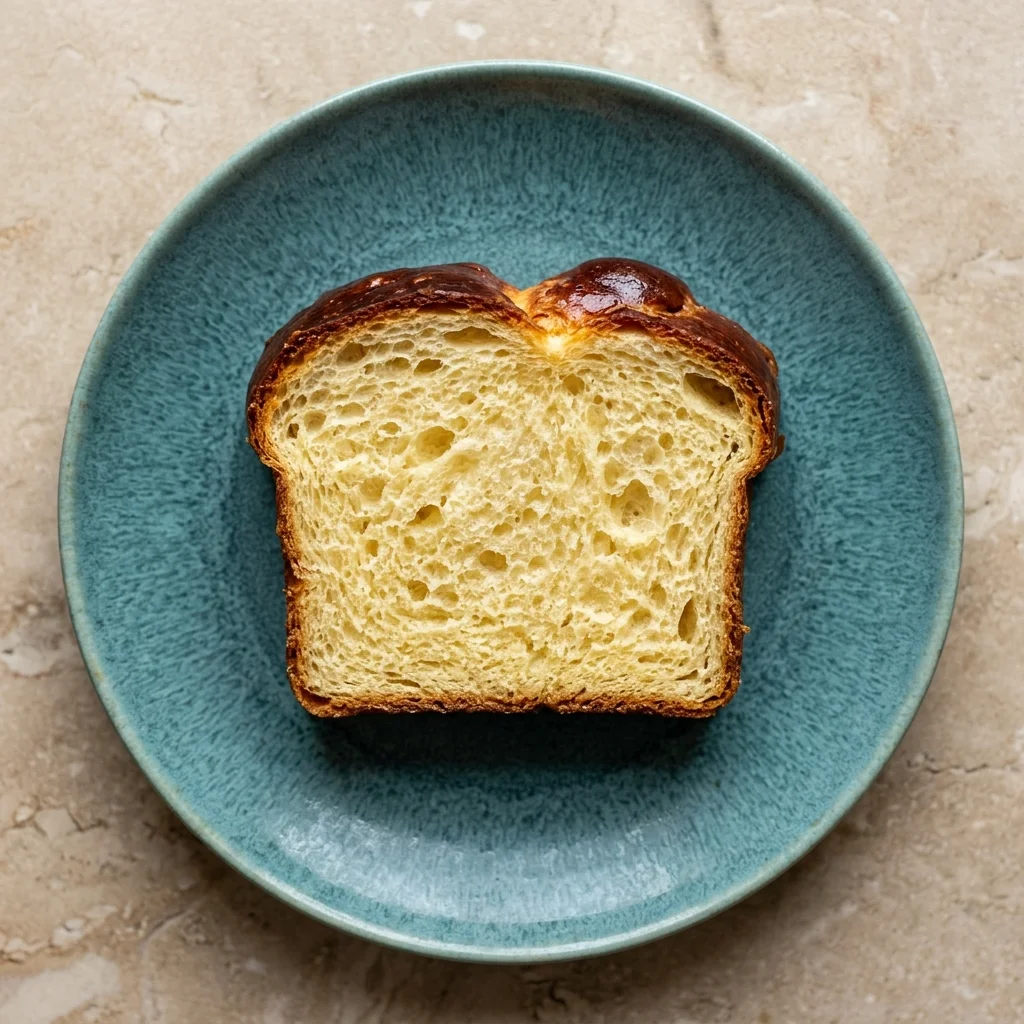
Rich, pillowy, and deeply buttery, this brioche is the kind of bread that makes you want to clear your whole afternoon just to bake it. The long cold fermentation — at least eight hours in the refrigerator — is the real secret here, giving the dough time to develop complex flavor while the butter firms up for a better crumb structure. That slow, gentle process is also what makes this loaf so much easier on the digestive system than a quick-rise bread, since extended fermentation begins breaking down some of the flour's harder-to-digest components naturally. Every ingredient in this recipe is straightforward and whole: real eggs, real butter, whole milk, and flour — no additives, no preservatives, nothing you'd need to second-guess at the grocery store. The windowpane test and the careful butter incorporation aren't just technique flex — they build that signature glossy, tender crumb that pulls apart in soft, golden layers. A deep mahogany crust, a thermometer check at 190–195°F, and a patient cool on the wire rack are all that stand between you and a loaf that tastes genuinely bakery-worthy. Slice it thick, toast it lightly, or just tear into it warm — either way, it's the kind of homemade bread that earns a permanent spot in your rotation.
 About Fig
Fig is a food discovery app that helps you find foods and recipes that fit your dietary needs. Whether you have food allergies, intolerances, or follow a specific diet, Fig makes it easy to eat with confidence.
Learn more →10 servings

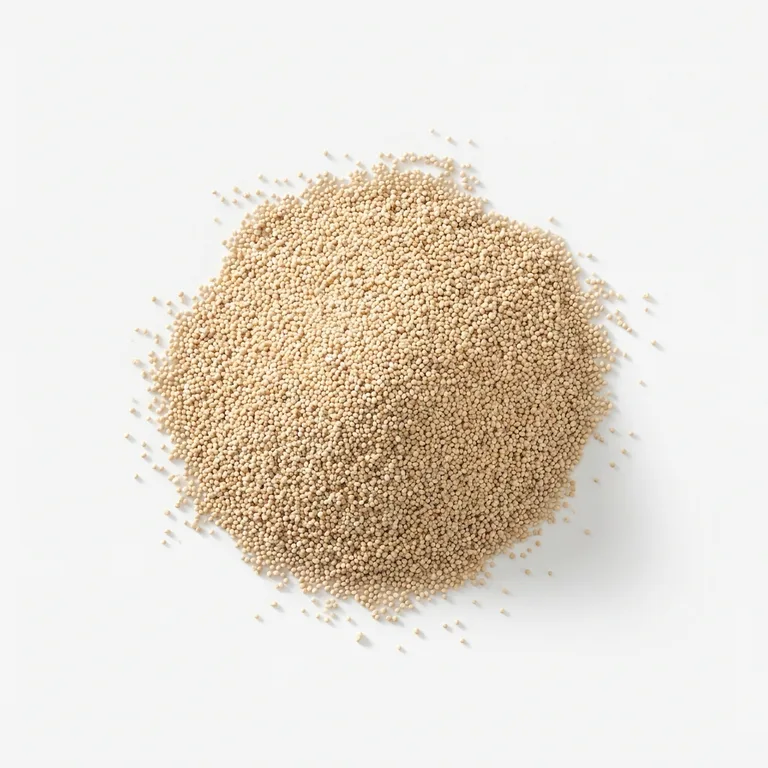
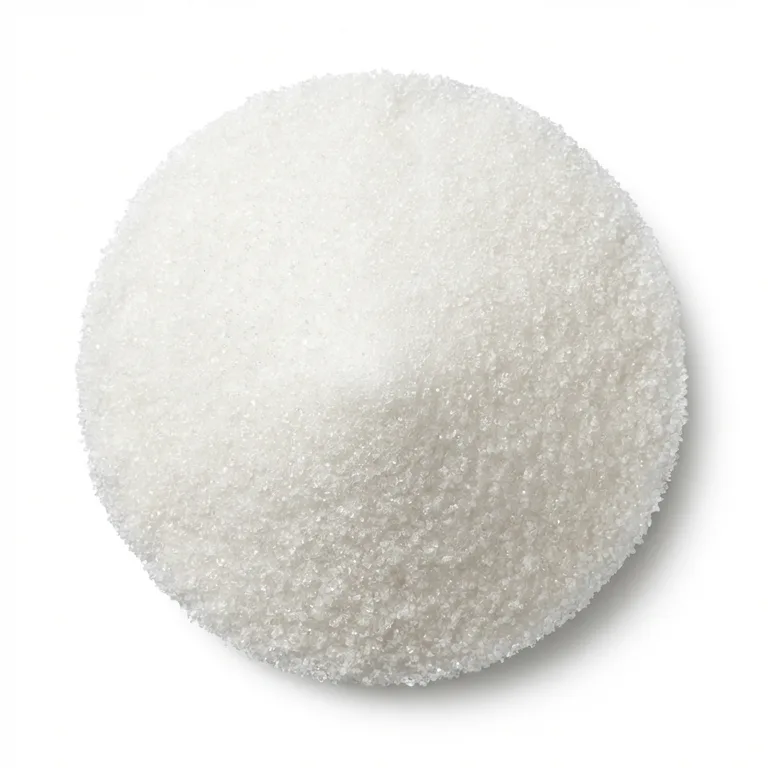


Combine the warm milk, yeast, and 1 tbsp of the sugar in the bowl of a stand mixer. Stir briefly and let stand for 5–10 minutes, until foamy and fragrant.
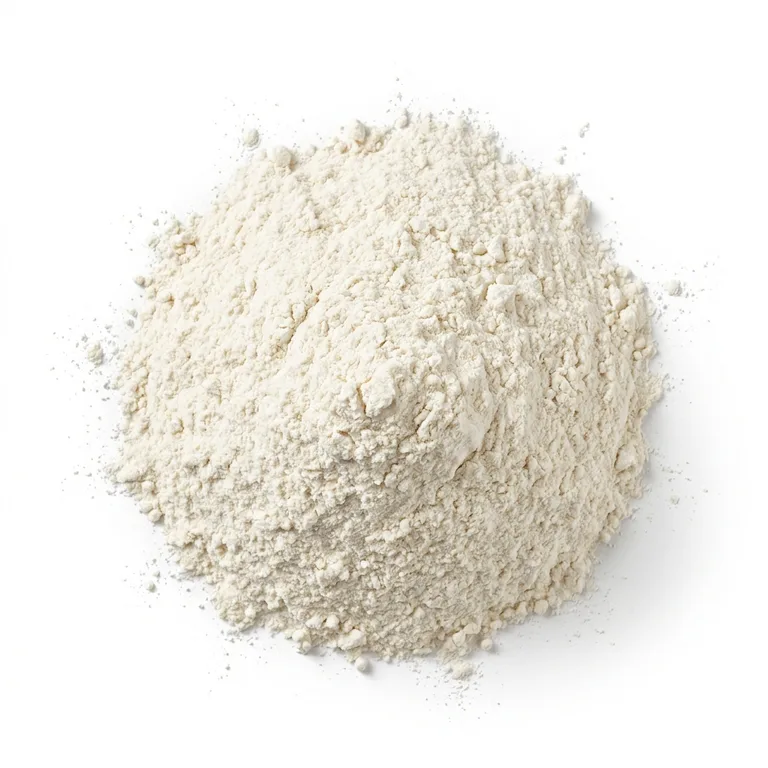
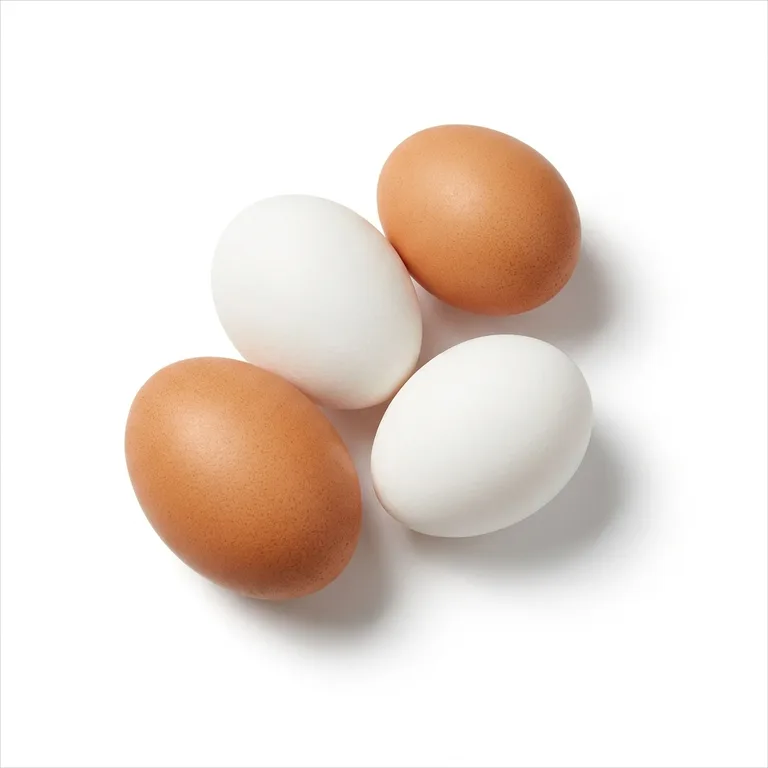
Add the flour, salt, remaining 1 tbsp sugar, and the 4 room-temperature eggs to the yeast mixture. Mix on low speed with the dough hook until a shaggy dough forms, about 2 minutes, then increase to medium speed and knead for 8–10 minutes, until the dough is smooth, pulls cleanly away from the sides of the bowl, and passes the windowpane test — a small piece stretched between your fingers should stretch thin enough to see light through without tearing.
Create a Fig account for step-by-step instructions, access to our full recipe library, and more!


 (16k)
(16k)