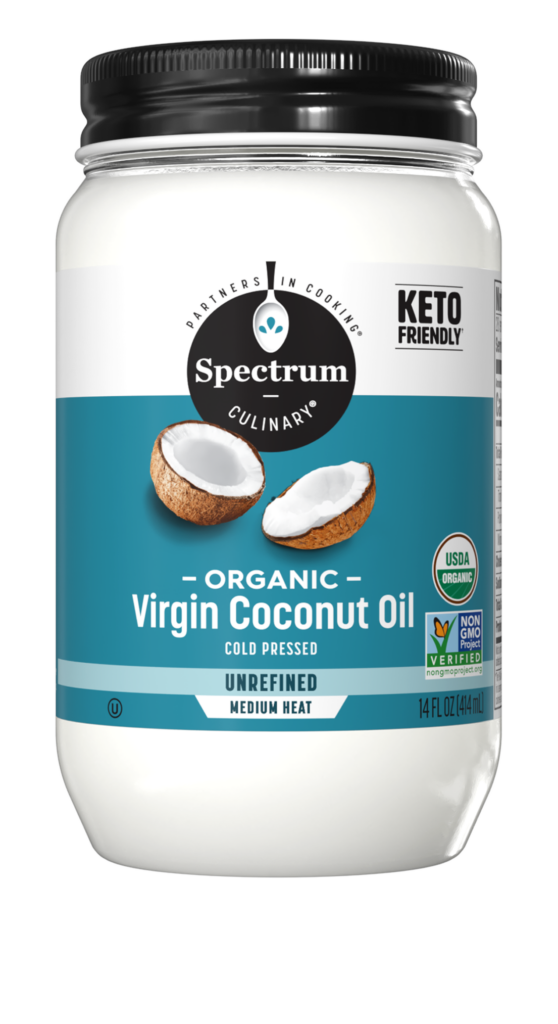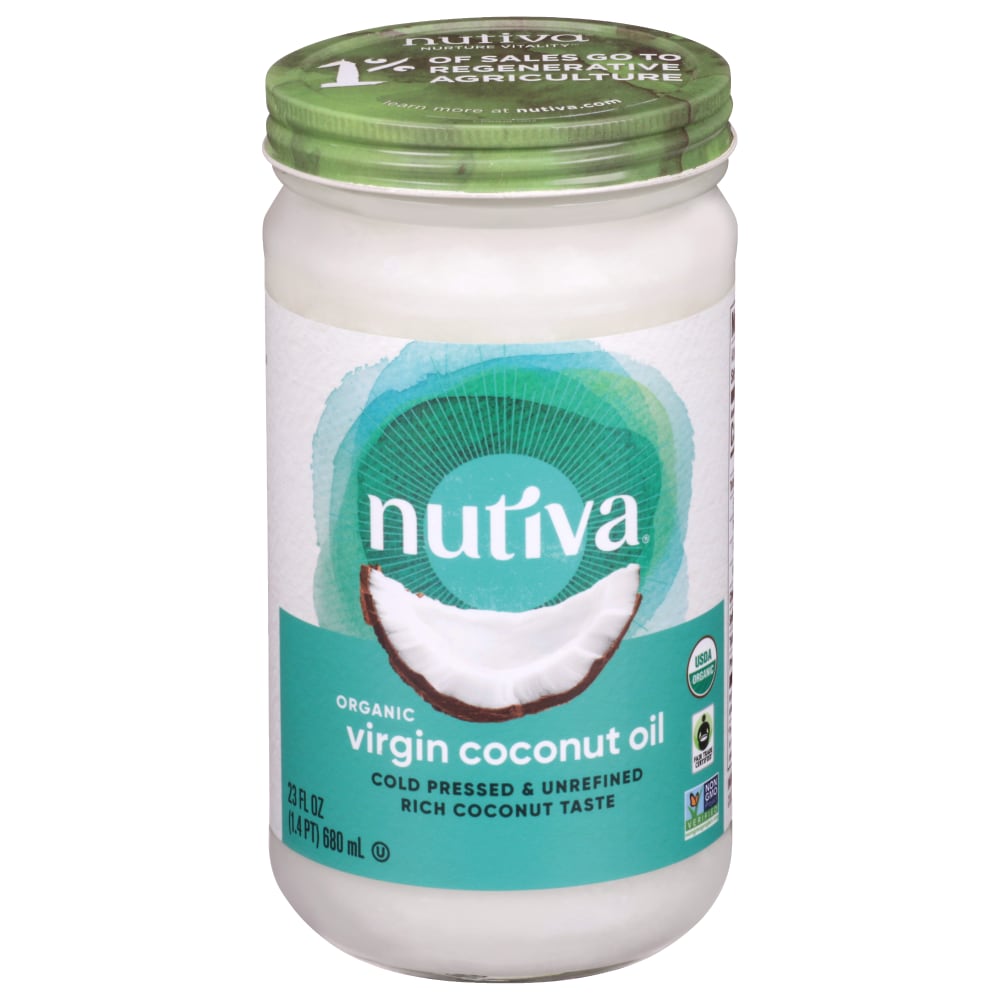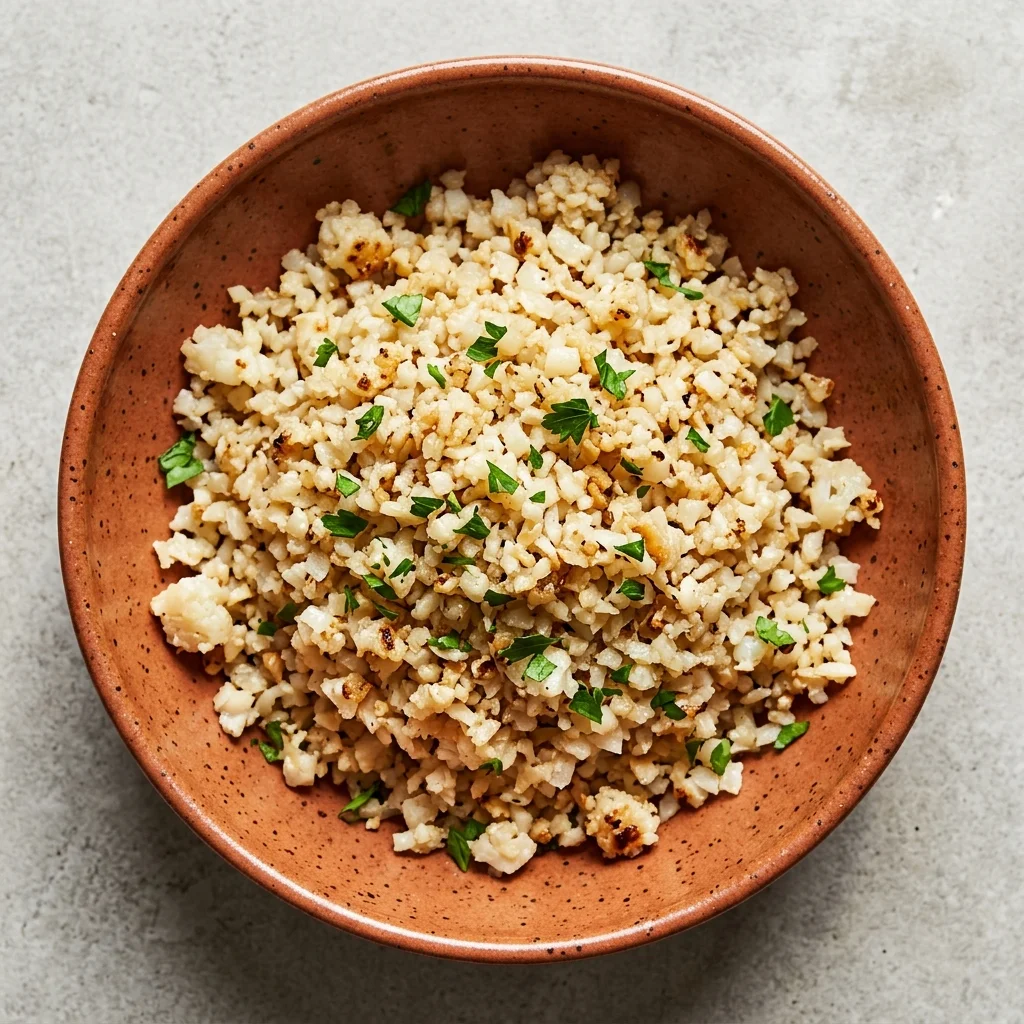
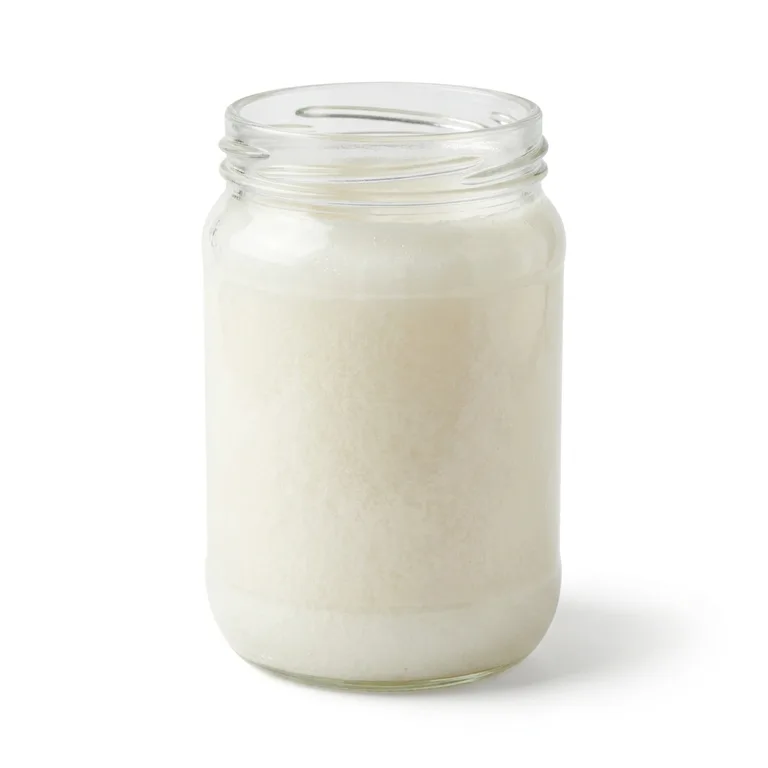
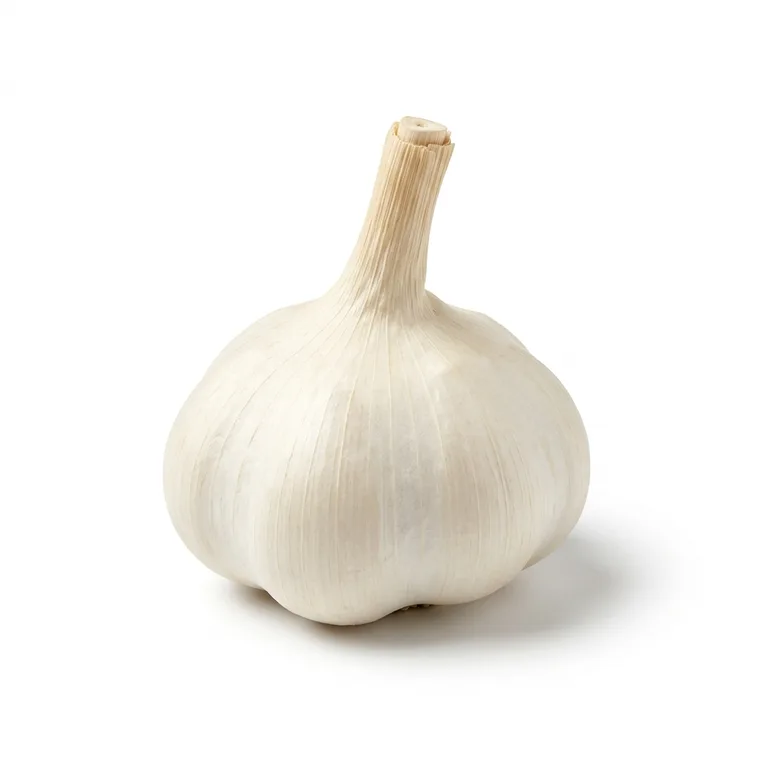
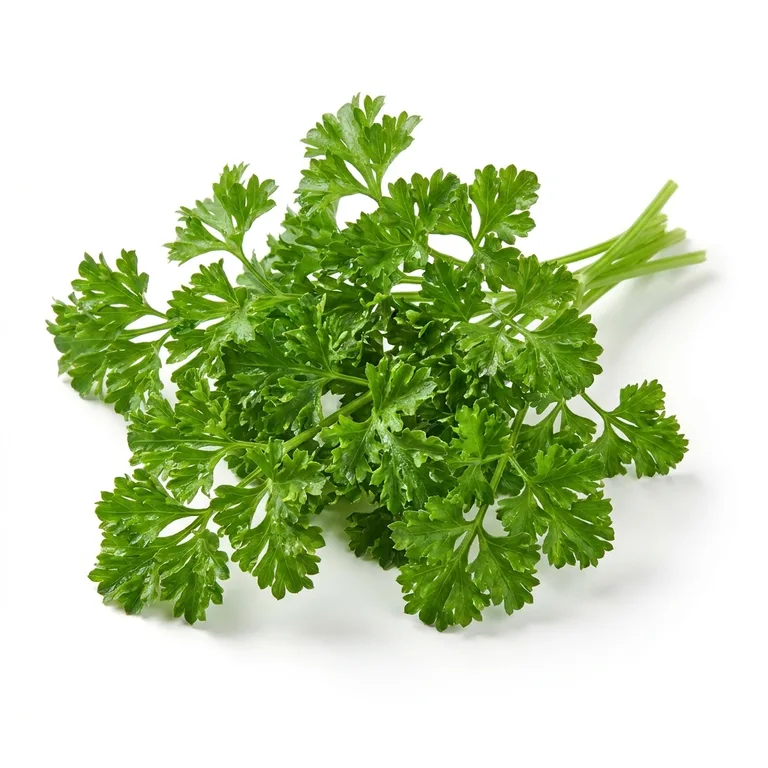
Cauliflower rice has become a staple for good reason — it's light, versatile, and genuinely satisfying when it's cooked right. The trick here is getting those florets pulsed to just the right size and then letting them cook long enough in the skillet to dry out and pick up a little golden color, which is what separates a great batch from a soggy, disappointing one. Coconut oil is the fat of choice, bringing a clean, neutral richness that lets the garlic and lemon do their thing without any of the processed vegetable or seed oils that sneak into so many "healthy" recipes. The garlic goes in first and gets just enough heat to turn fragrant and golden at the edges — that 30-second window makes a real difference in depth of flavor. A squeeze of fresh lemon juice at the end brightens everything up, and the optional parsley adds a pop of color that makes the whole dish look as good as it tastes. Serve it straight from the skillet alongside grilled proteins, stir it into a bowl, or use it anywhere you'd normally reach for a grain — it holds its own in every role.
 About Fig
Fig is a food discovery app that helps you find foods and recipes that fit your dietary needs. Whether you have food allergies, intolerances, or follow a specific diet, Fig makes it easy to eat with confidence.
Learn more →4 servings
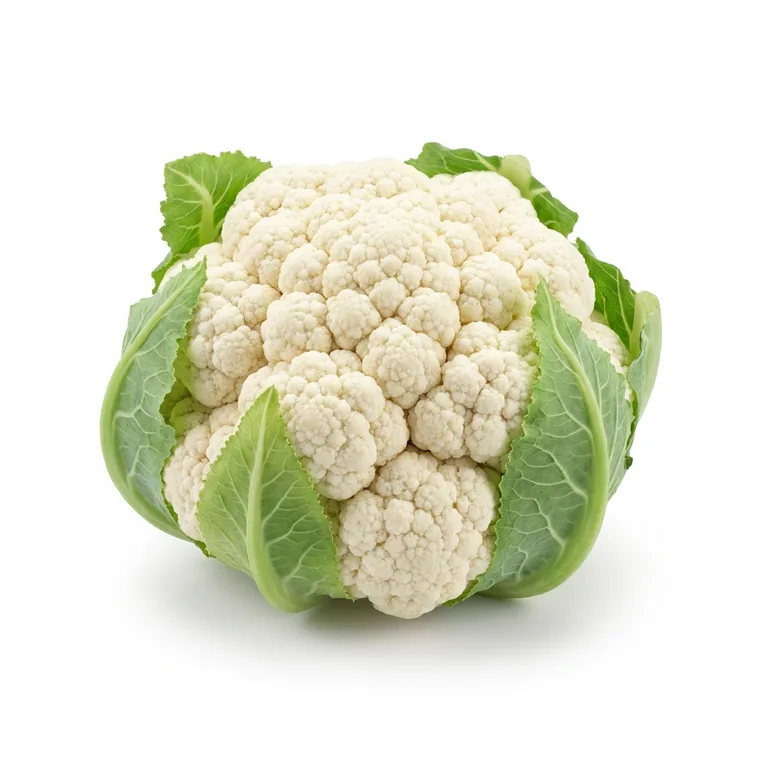
Working in two batches, pulse the cauliflower florets in a food processor 8–10 times until broken down into pieces roughly the size of rice grains — uneven is fine, but avoid over-processing into a paste. Alternatively, grate the florets on the large holes of a box grater.
Heat the coconut oil in a large (12-inch) skillet over medium-high heat until shimmering. Add the garlic and cook, stirring constantly, until fragrant and just beginning to turn golden at the edges, about 30–45 seconds — watch closely, as it can brown quickly.
Create a Fig account for step-by-step instructions, access to our full recipe library, and more!


 (16k)
(16k)