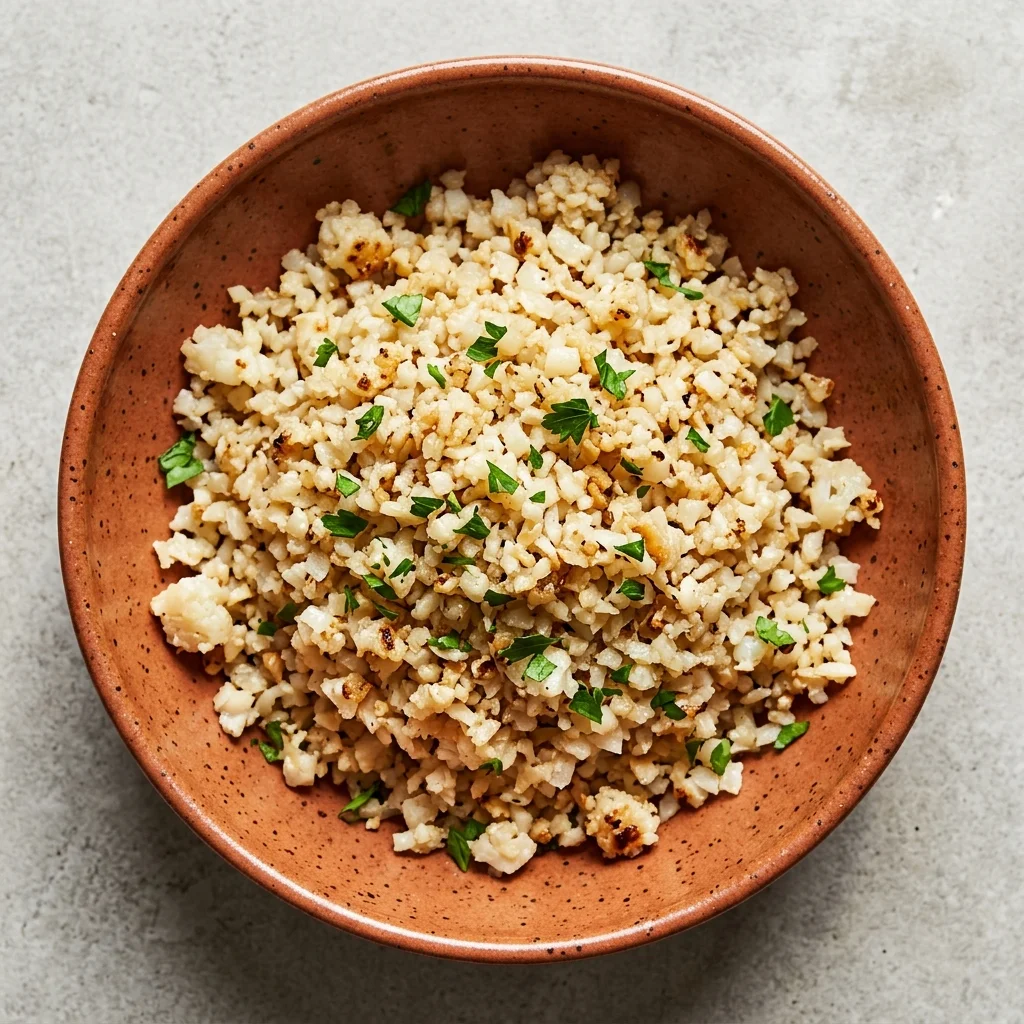
Cauliflower gets transformed here into tender, golden-edged grains that make a genuinely satisfying base for almost any meal. The trick is pulsing the florets just enough in a food processor — keeping things a little uneven actually gives you better texture than a uniform mince. Coconut oil brings a clean, neutral richness to the pan, and the garlic goes in first so it blooms and perfumes every grain before the cauliflower even hits the skillet. A final hit of fresh lemon juice lifts the whole thing and keeps the flavors bright rather than flat. For anyone navigating a mold-avoidance protocol, this kind of recipe is a quiet win — every ingredient is whole, fresh, and straightforward, with no fermented, aged, or processed components to second-guess. It comes together in one skillet with minimal cleanup, and it's the kind of versatile side that earns a permanent spot in your weekly rotation.
 About Fig
Fig is a food discovery app that helps you find foods and recipes that fit your dietary needs. Whether you have food allergies, intolerances, or follow a specific diet, Fig makes it easy to eat with confidence.
Learn more →4 servings
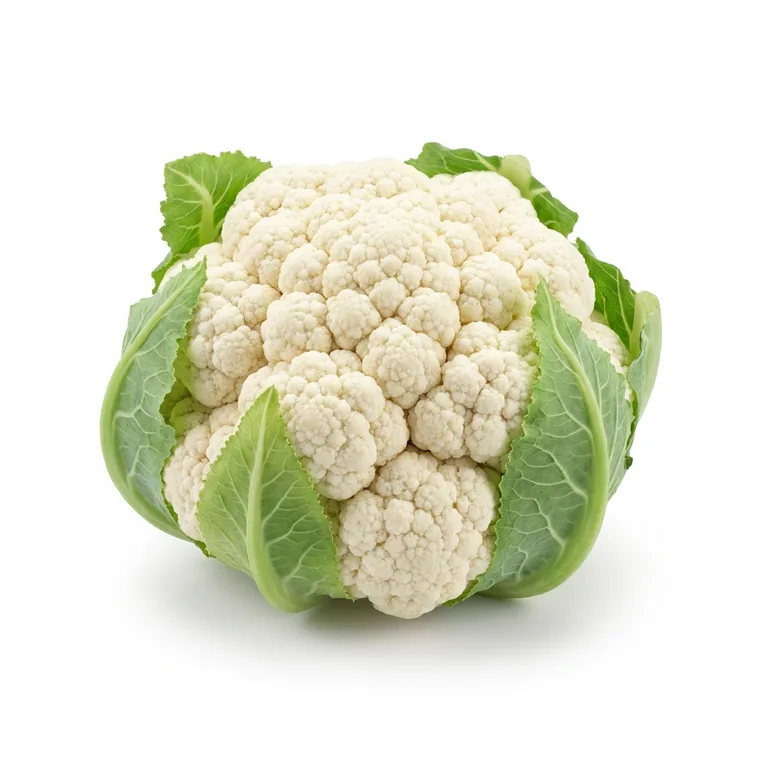
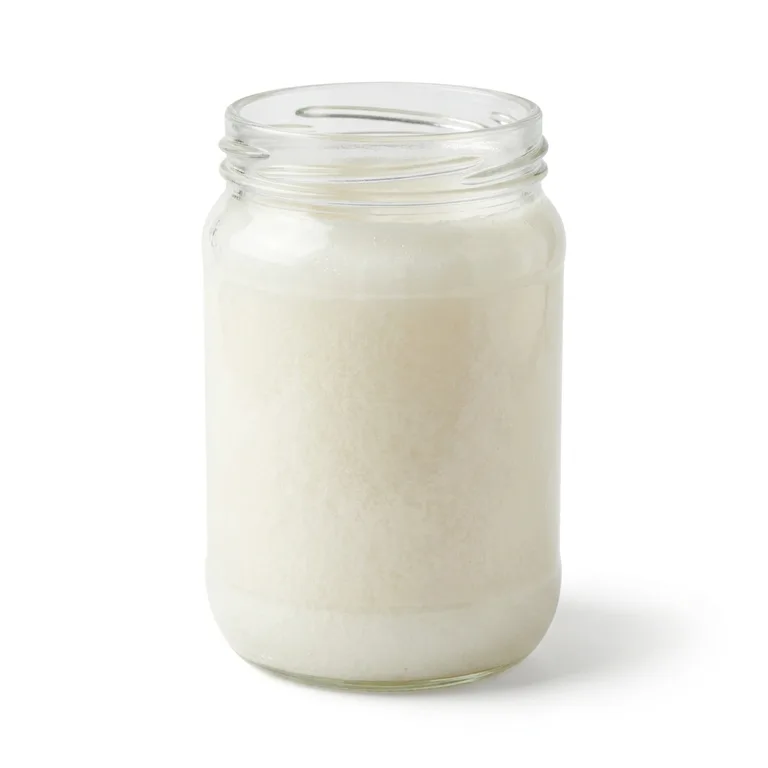
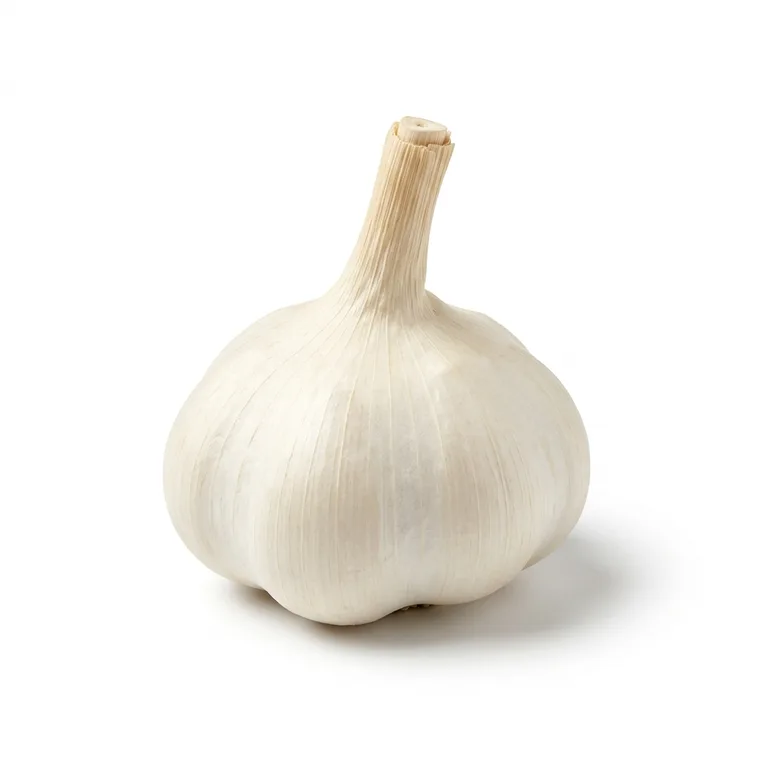
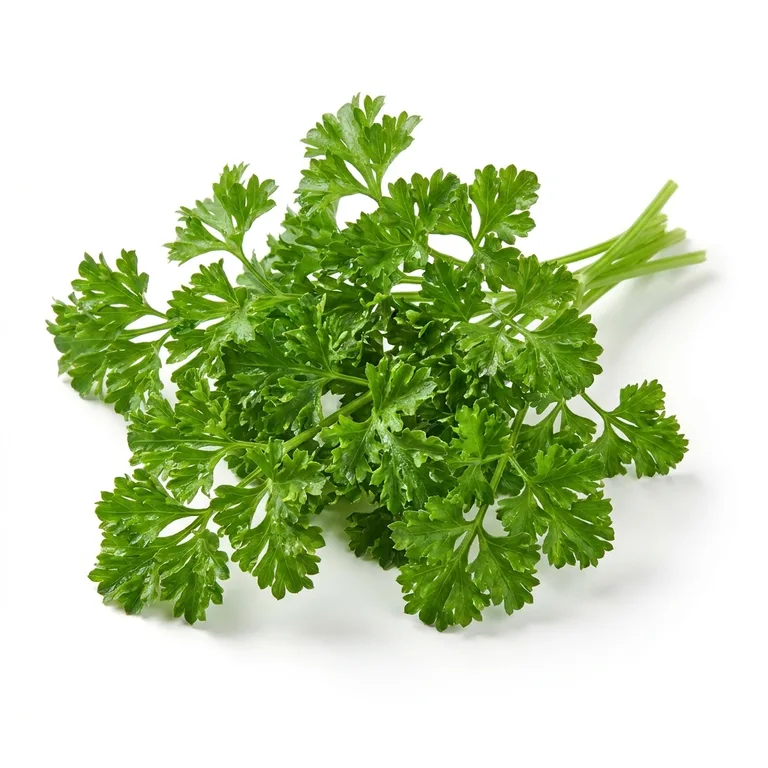
Working in two batches, pulse the cauliflower florets in a food processor 8–10 times until broken down into pieces roughly the size of rice grains — uneven is fine, but avoid over-processing into a paste. Alternatively, grate the florets on the large holes of a box grater.
Heat the coconut oil in a large (12-inch) skillet over medium-high heat until shimmering. Add the garlic and cook, stirring constantly, until fragrant and just beginning to turn golden at the edges, about 30–45 seconds — watch closely, as it can brown quickly.
Create a Fig account for step-by-step instructions, access to our full recipe library, and more!


 (16k)
(16k)