
Candida Diet Friendly Cauliflower Fried Rice with Coconut Aminos
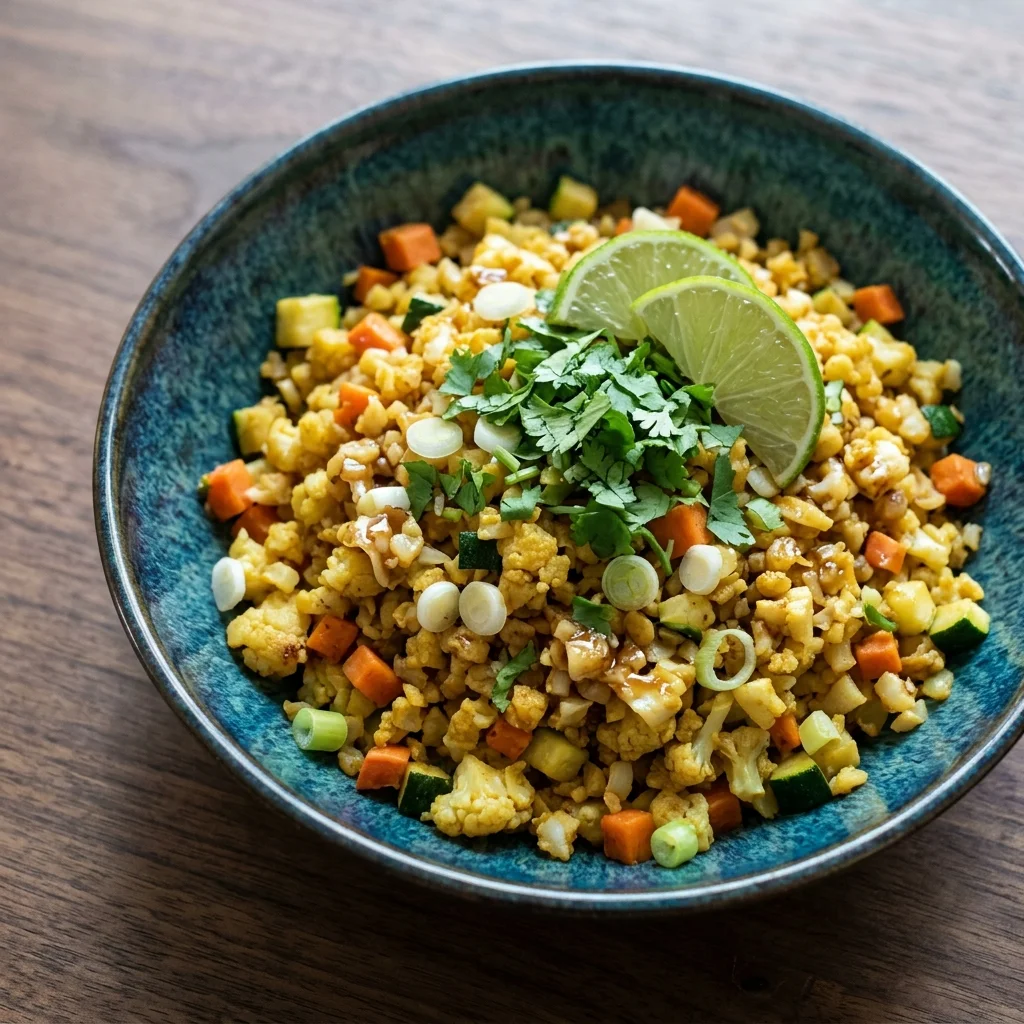
This dish delivers all the satisfying, savory comfort of takeout fried rice without a single ingredient that would throw your gut balance off track. Riced cauliflower stands in beautifully for grains, and pressing out the moisture before cooking is the key move that gives it that golden, slightly crispy texture instead of a soggy pile. Coconut aminos replace soy sauce here, bringing that deep umami hit without the fermented soy that can be problematic on a candida-focused eating plan. Fresh garlic, ginger, and turmeric layer in bold, warming flavor while also pulling serious anti-inflammatory weight. The apple cider vinegar adds a bright lift that ties everything together, and the carrots and zucchini keep it colorful and filling. A squeeze of lime and a handful of cilantro at the end make it feel restaurant-worthy, even on a weeknight. It's the kind of meal that makes restrictive eating feel genuinely exciting rather than like a compromise.
 About Fig
Fig is a food discovery app that helps you find foods and recipes that fit your dietary needs. Whether you have food allergies, intolerances, or follow a specific diet, Fig makes it easy to eat with confidence.
Learn more →Ingredients
4 servings
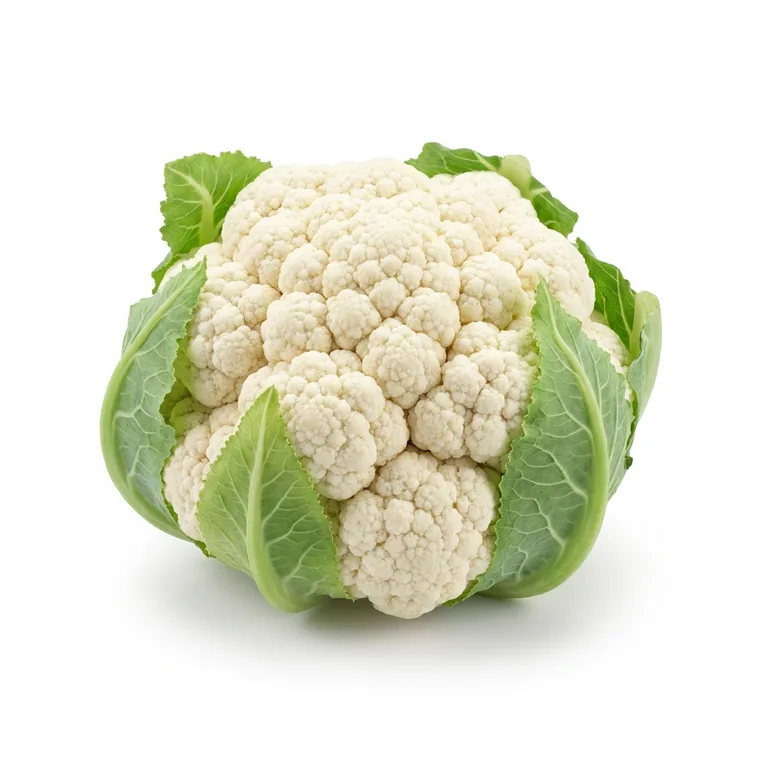
- 1 large head cauliflower (about 2 lbs), cut into florets
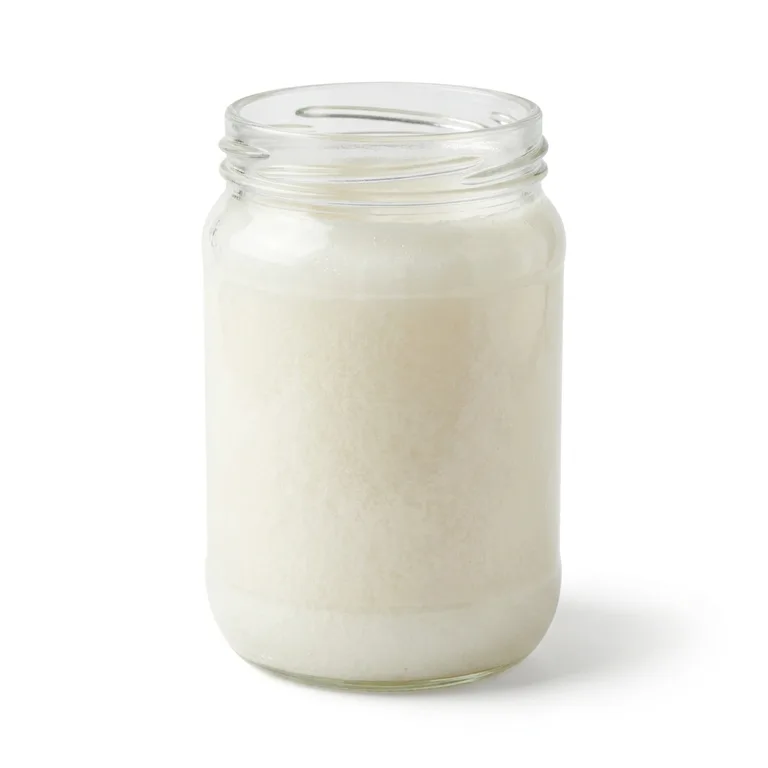
- 3 tbsp coconut oil, divided
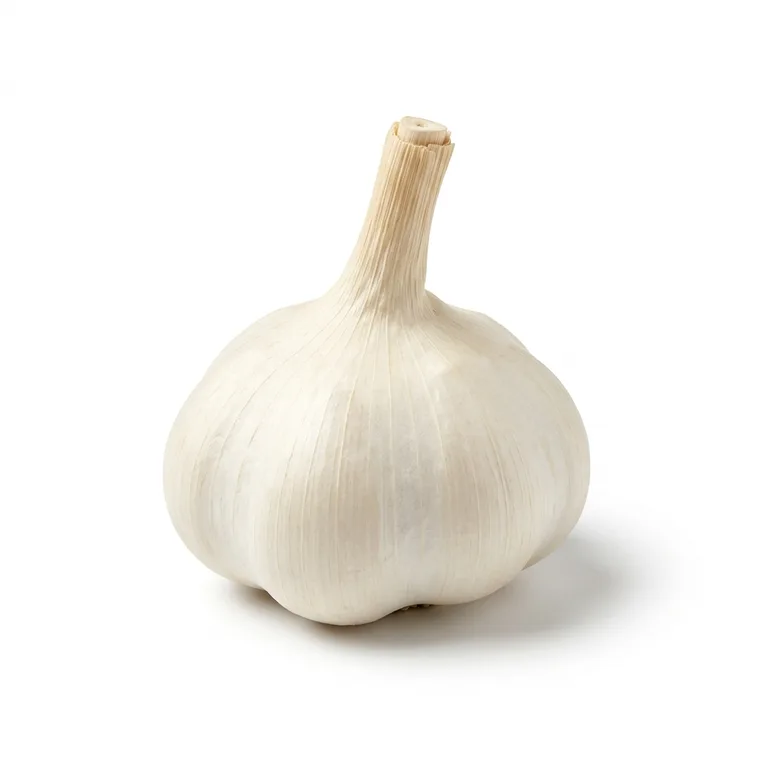
- 3 cloves garlic, minced
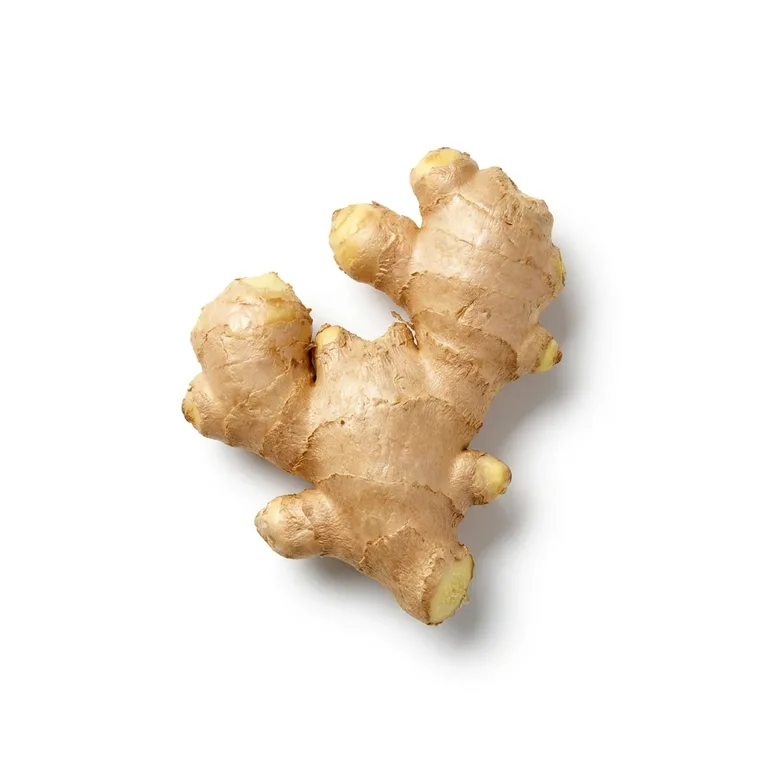
- 1 tbsp fresh ginger, peeled and grated
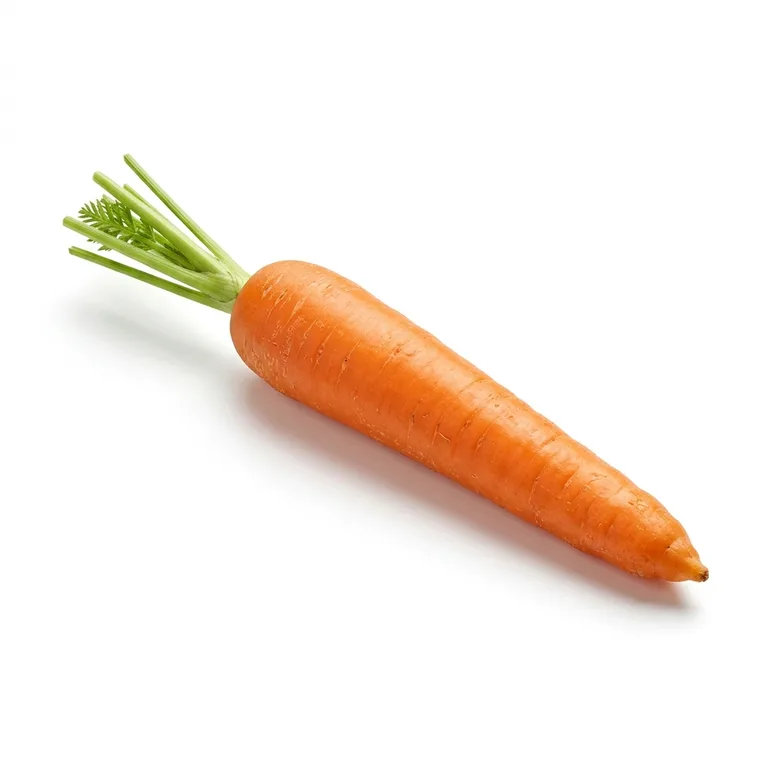
- 3 medium carrots, peeled and diced small
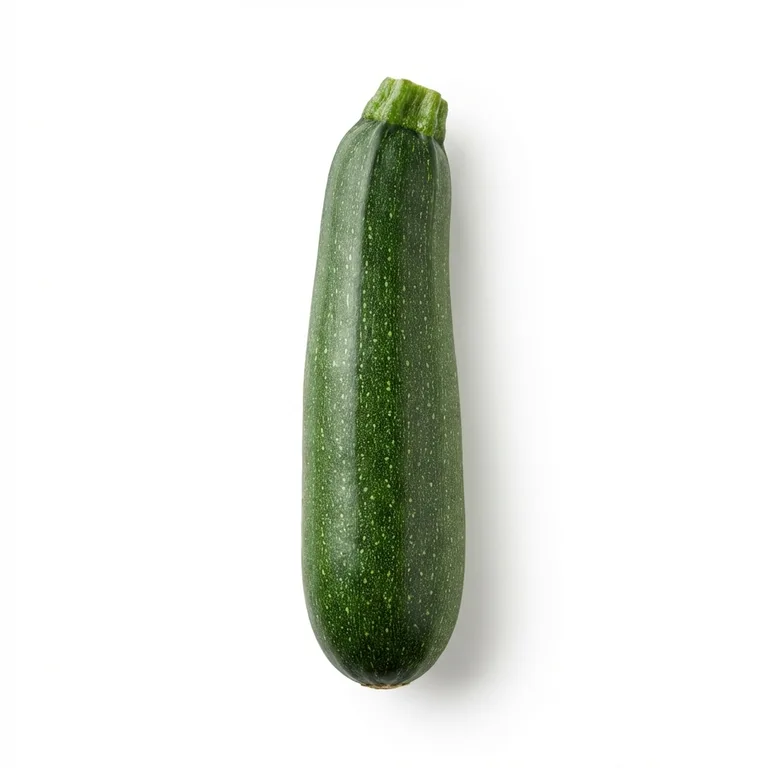
- 1 medium zucchini, diced small
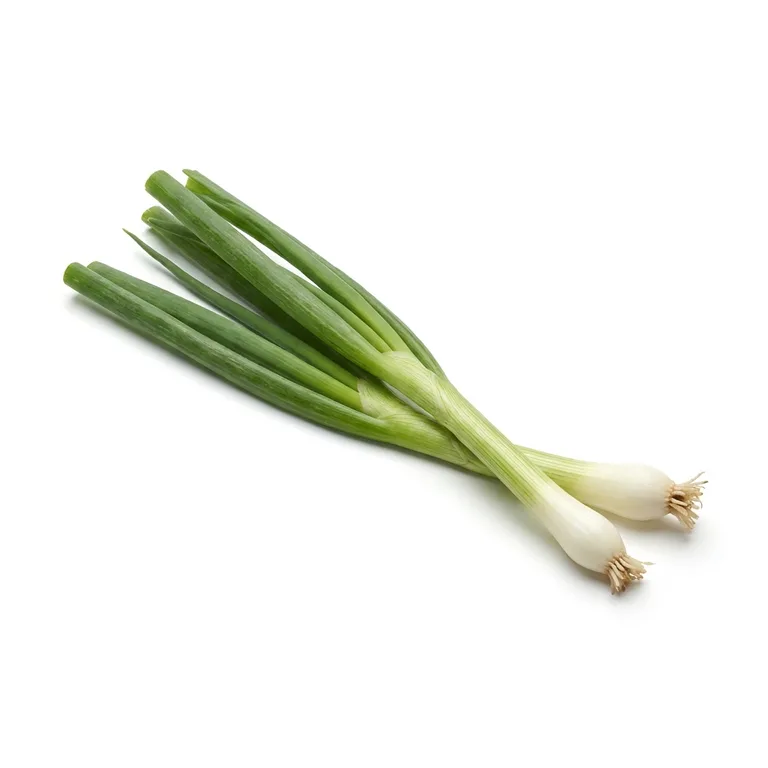
- 4 scallions, thinly sliced, white and green parts separated
- 3 tbsp coconut aminos
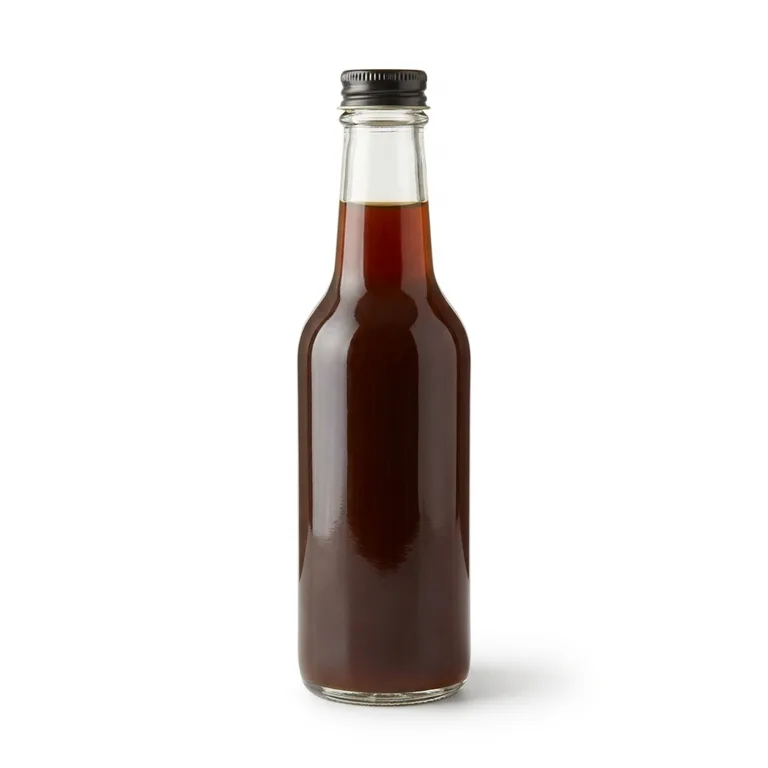 Ingredient note
Coconut aminos is a common stand-in for soy sauce on a candida diet. It does carry a little sugar from coconut sap, but this recipe uses only about 2 1/4 teaspoons per serving, which is likely fine.
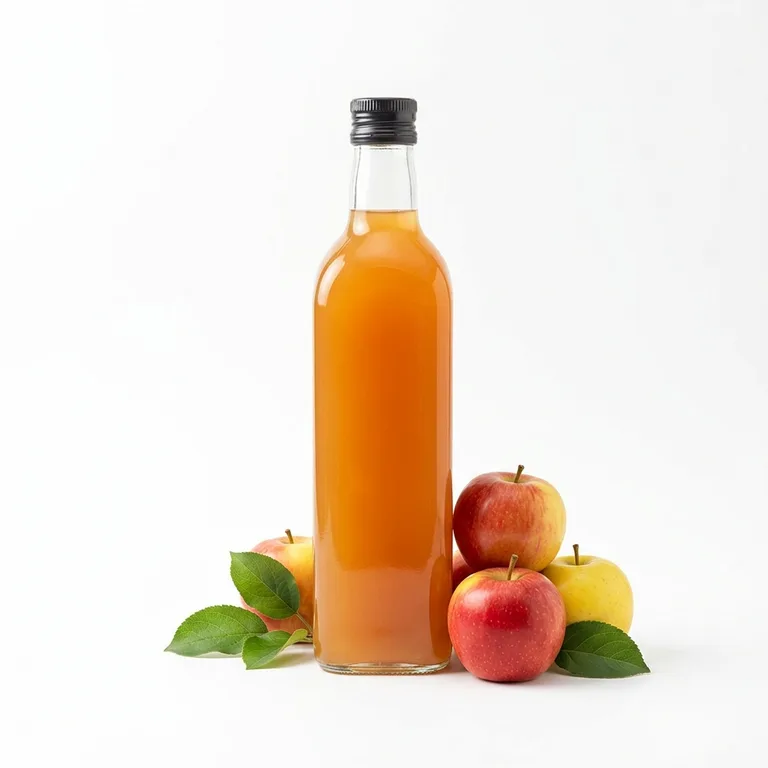
- 1 tsp apple cider vinegar
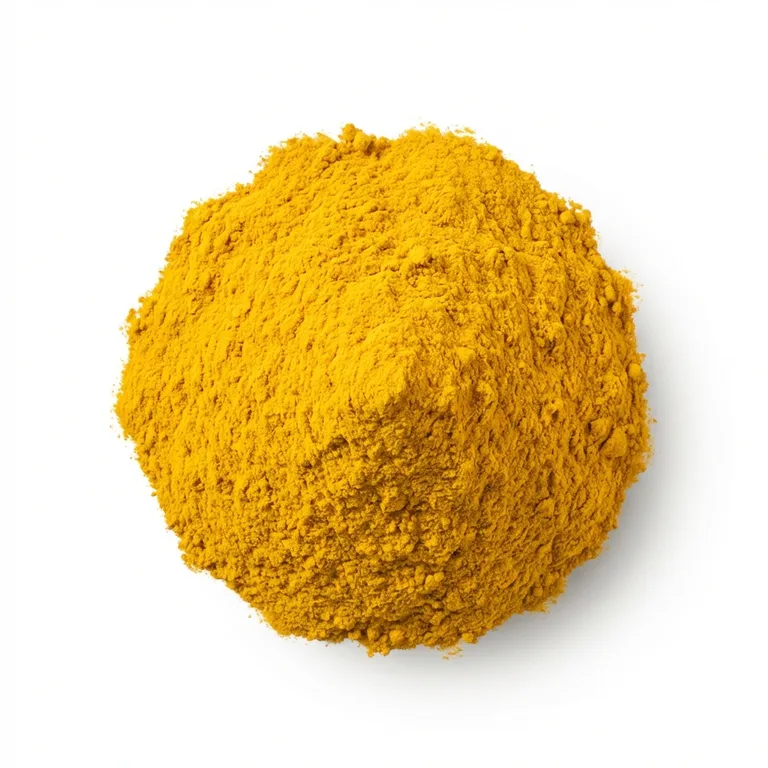
- ½ tsp ground turmeric
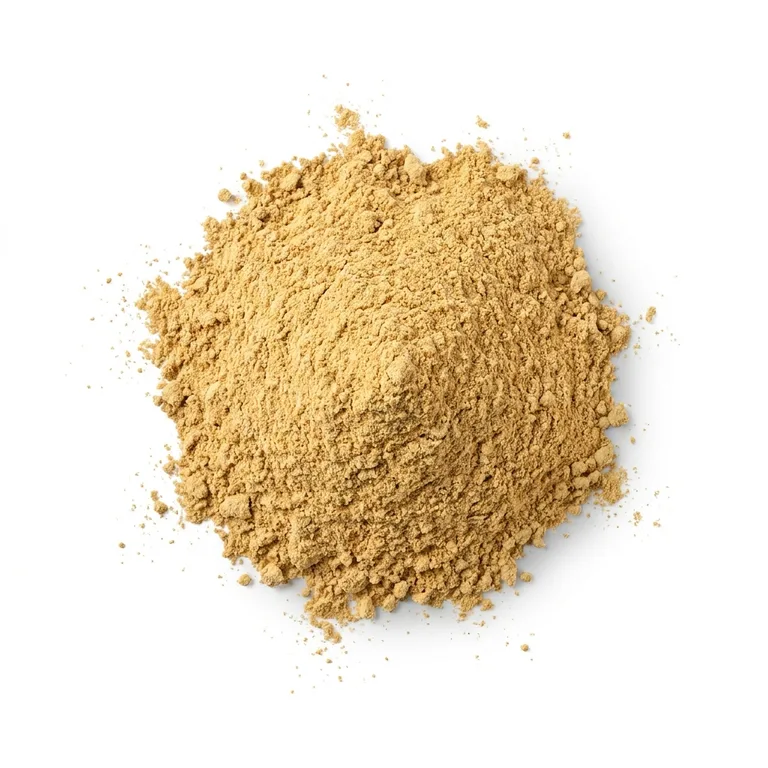
- ¼ tsp ground ginger
- ½ tsp sea salt, plus more to taste
For serving
- 2 tbsp fresh cilantro, roughly chopped (optional)
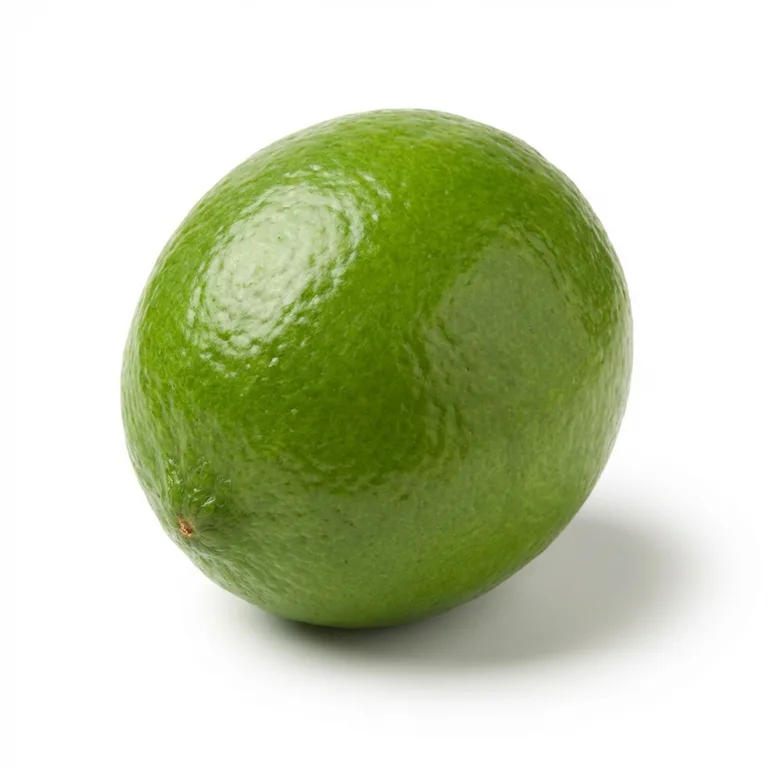
- 1 lime, cut into wedges (optional)
Instructions
- 1
Working in batches, pulse the cauliflower florets in a food processor until they resemble coarse rice grains, about 8–10 short pulses. Alternatively, grate the florets on the large holes of a box grater. Spread the riced cauliflower on a clean kitchen towel and press firmly to remove as much moisture as possible — the drier it is, the better it will brown.
- 2
Heat 1 tbsp of the coconut oil in a large (12-inch) skillet or wok over medium-high heat until shimmering. Add the carrots and cook, stirring occasionally, until just beginning to soften, about 3–4 minutes. Add the zucchini and the white parts of the scallions and cook, stirring, until the zucchini is tender and the edges are lightly golden, about 2–3 minutes more. Transfer the vegetables to a plate and set aside.
Want the full recipe?
Create a Fig account for step-by-step instructions, access to our full recipe library, and more!