 About Fig
Fig is a food discovery app that helps you find foods and recipes that fit your dietary needs. Whether you have food allergies, intolerances, or follow a specific diet, Fig makes it easy to eat with confidence.
Learn more →4 servings
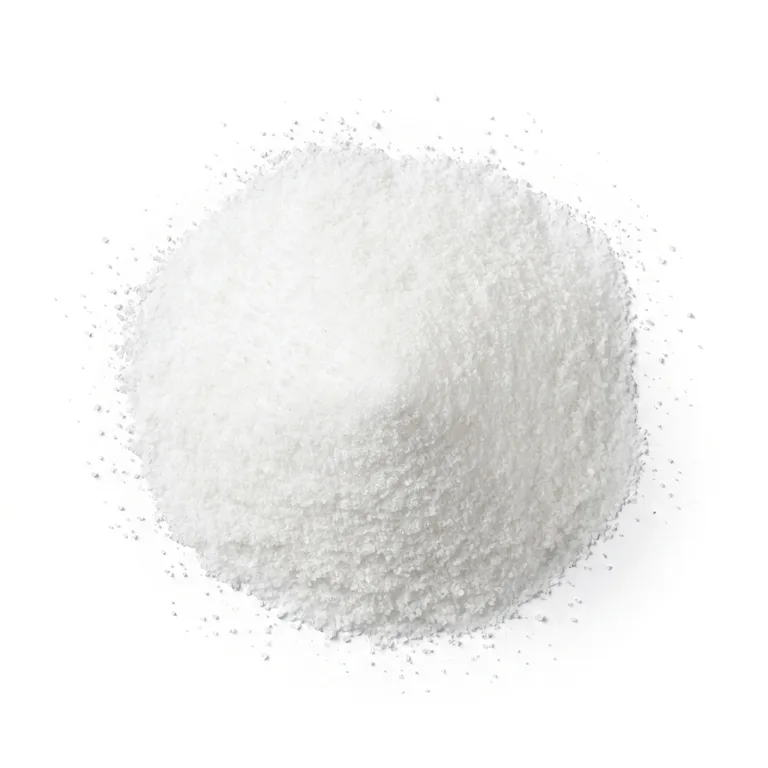

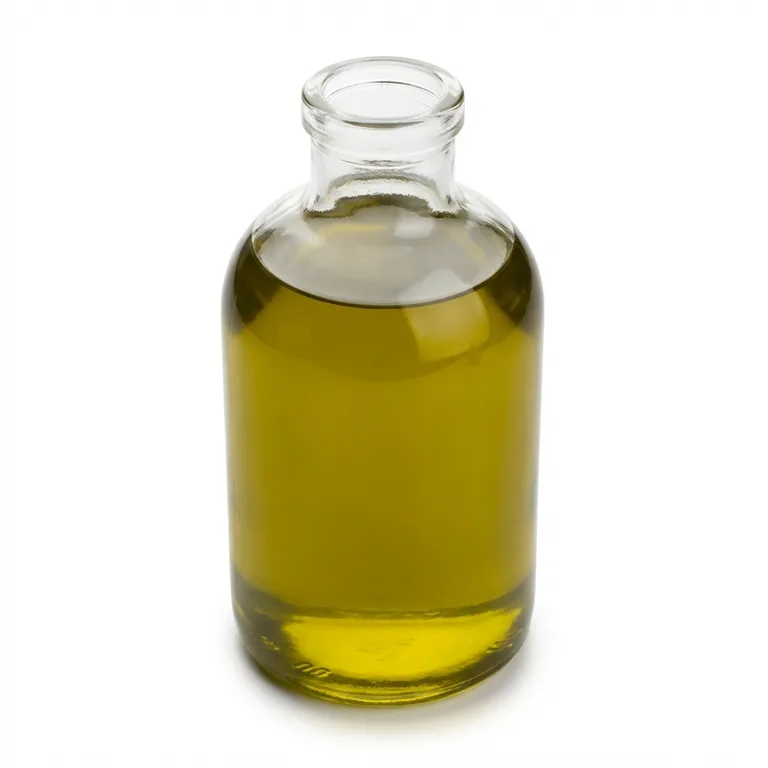
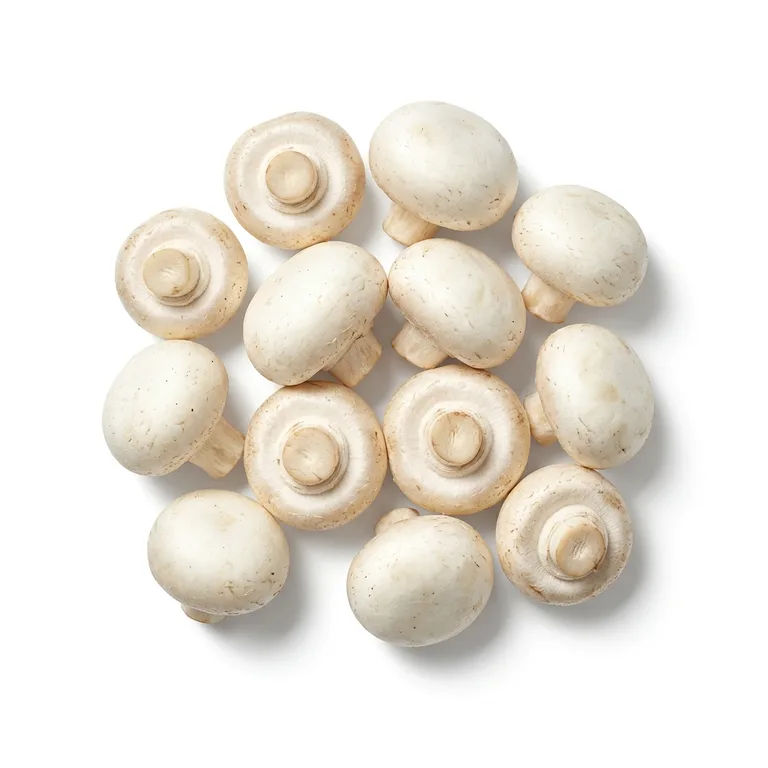
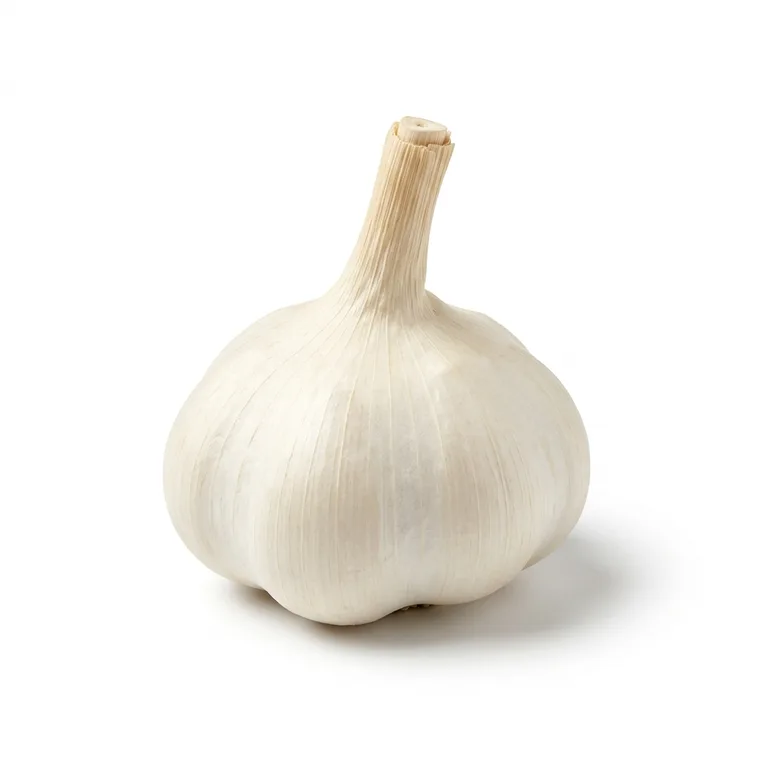
Cooking often breaks down the heat-sensitive proteins that trigger oral allergy syndrome, so the cooked garlic in this recipe is likely tolerated by many with OAS. If unsure, consult your doctor. To always avoid garlic, tap it and change its rating to Red.
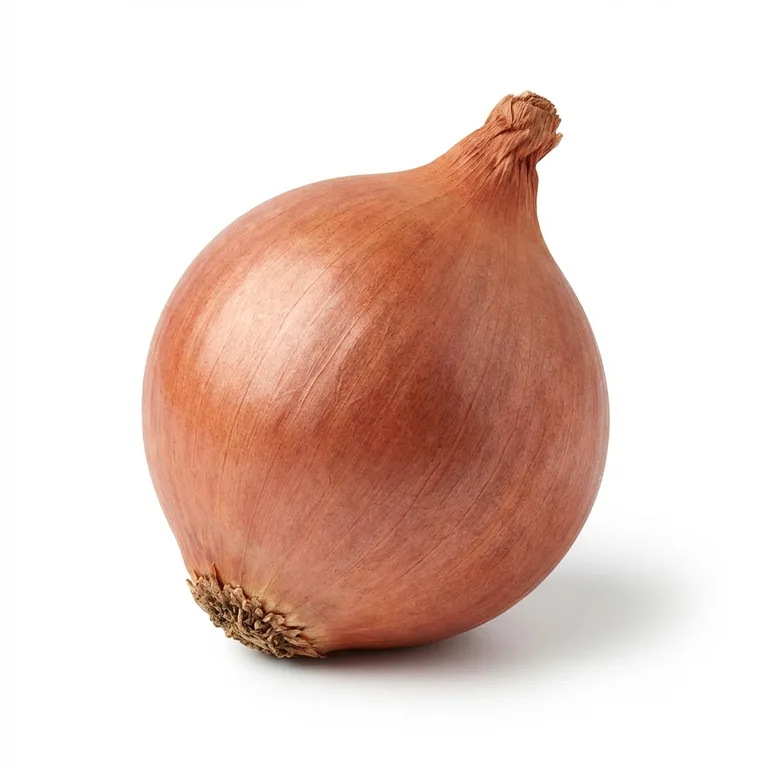
Cooking often breaks down the heat-sensitive proteins that trigger oral allergy syndrome, so the cooked shallot in this recipe is likely tolerated by many with OAS. If unsure, consult your doctor. To always avoid shallot, tap it and change its rating to Red.


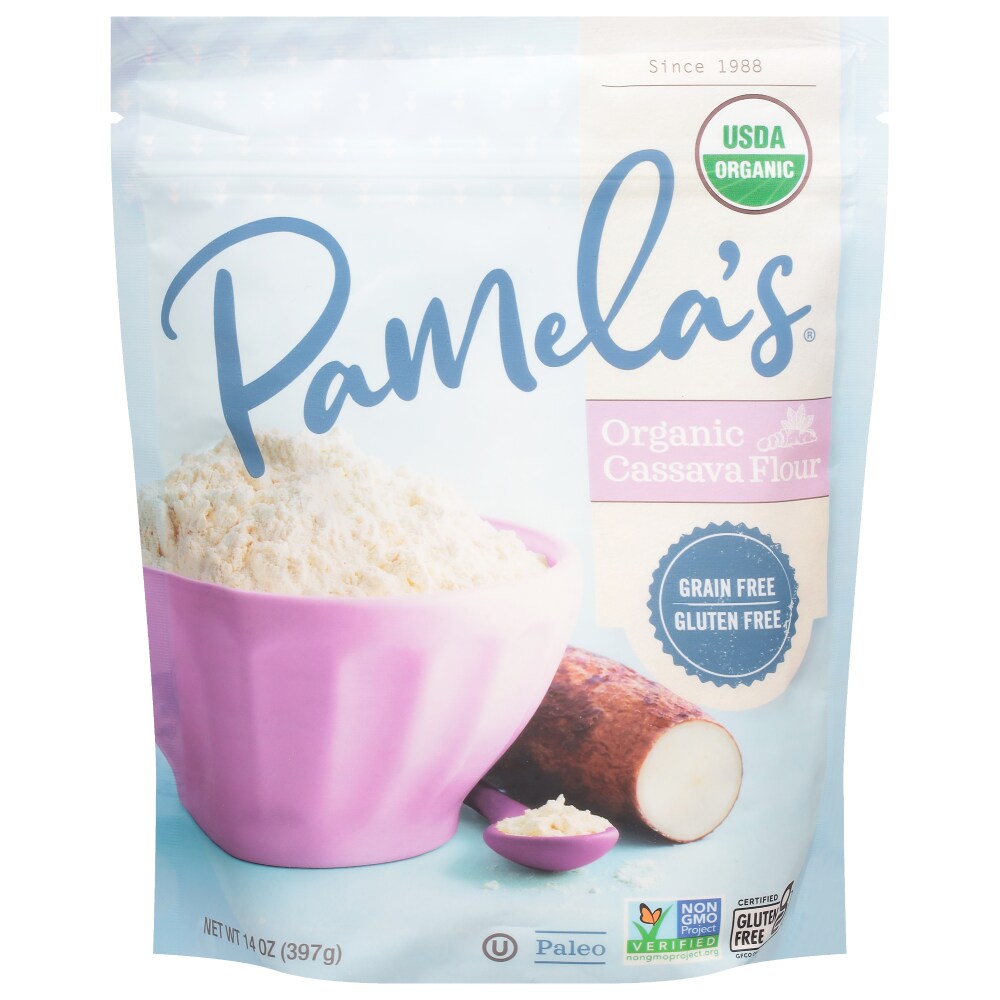
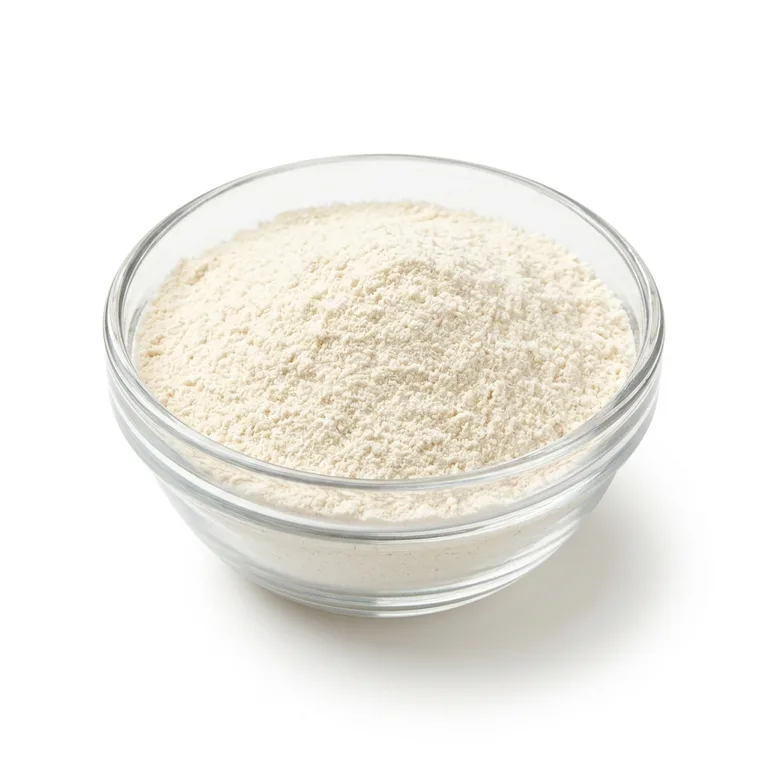
In a large mixing bowl, whisk together the cassava flour, tapioca starch, and fine sea salt. Add 1 tablespoon of the olive oil and the warm water, then mix with a fork until a shaggy dough forms. Turn out onto a lightly cassava-floured surface and knead for 2–3 minutes until the dough is smooth and pliable — it should feel like soft Play-Doh and not crack at the edges when pressed. If it crumbles, add warm water 1 teaspoon at a time; if it sticks, dust lightly with cassava flour. Wrap the dough in plastic wrap or cover with an inverted bowl and rest for 15 minutes.
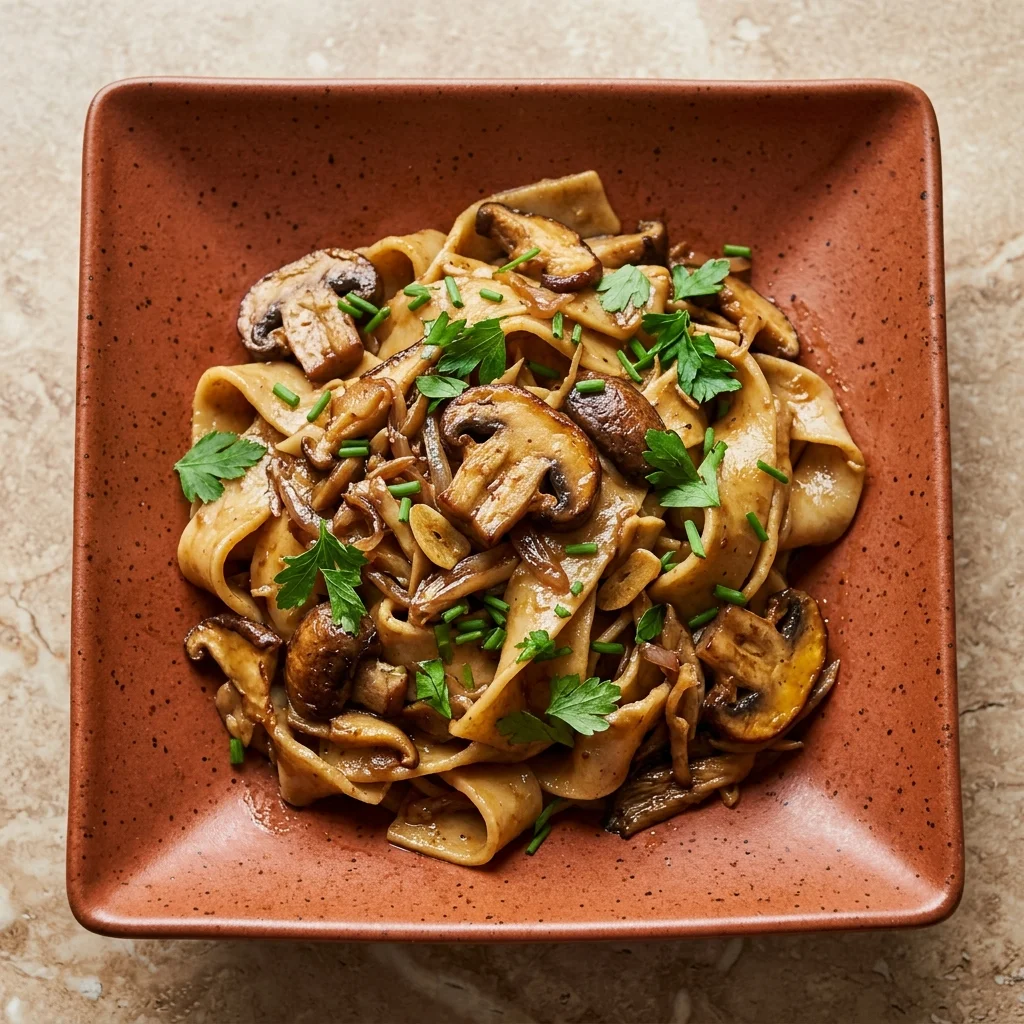
Divide the rested dough into 2 equal portions. Working with one portion at a time (keep the other covered), roll out on a lightly floured surface to about 1/16-inch thickness — roughly the thickness of a playing card. Dust the sheet lightly with cassava flour, then loosely fold it over itself two or three times. Using a sharp knife or pizza cutter, cut across the folds into strips about 3/4-inch wide. Unfurl the strips and lay them flat on a floured surface, separating any that stick together. Repeat with the second portion.
Create a Fig account for step-by-step instructions, access to our full recipe library, and more!


 (16k)
(16k)