
Interstitial Cystitis Friendly Cassava & Herb Fish Cakes

 About Fig
Fig is a food discovery app that helps you find foods and recipes that fit your dietary needs. Whether you have food allergies, intolerances, or follow a specific diet, Fig makes it easy to eat with confidence.
Learn more →Ingredients
4 servings
For the fish cakes
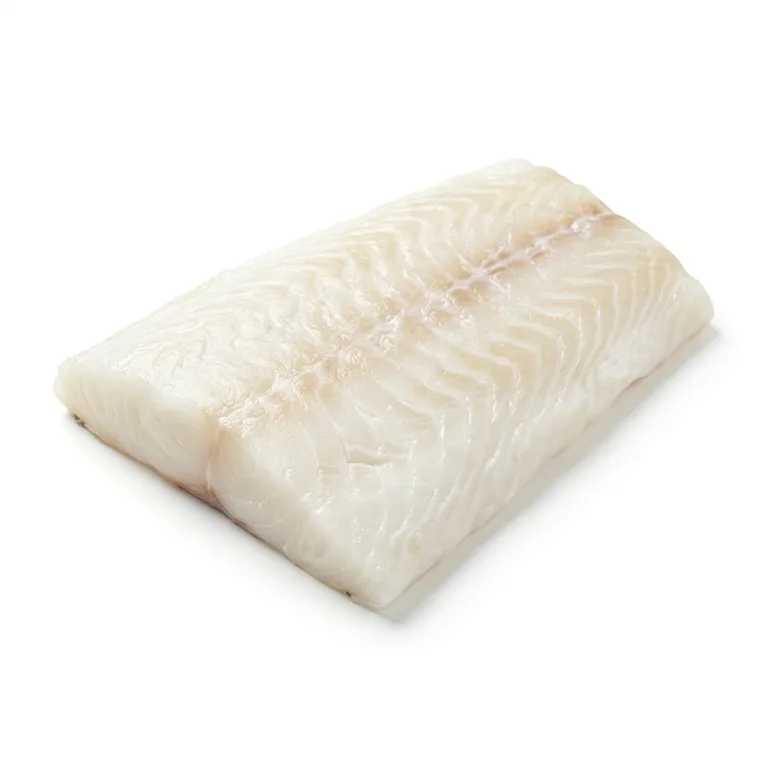
- 1 lb cod or halibut fillets, skin removed
- ⅓ cup cassava flour, plus more for dusting
- 1 tsp unflavored powdered gelatin
- 2 tbsp cold water
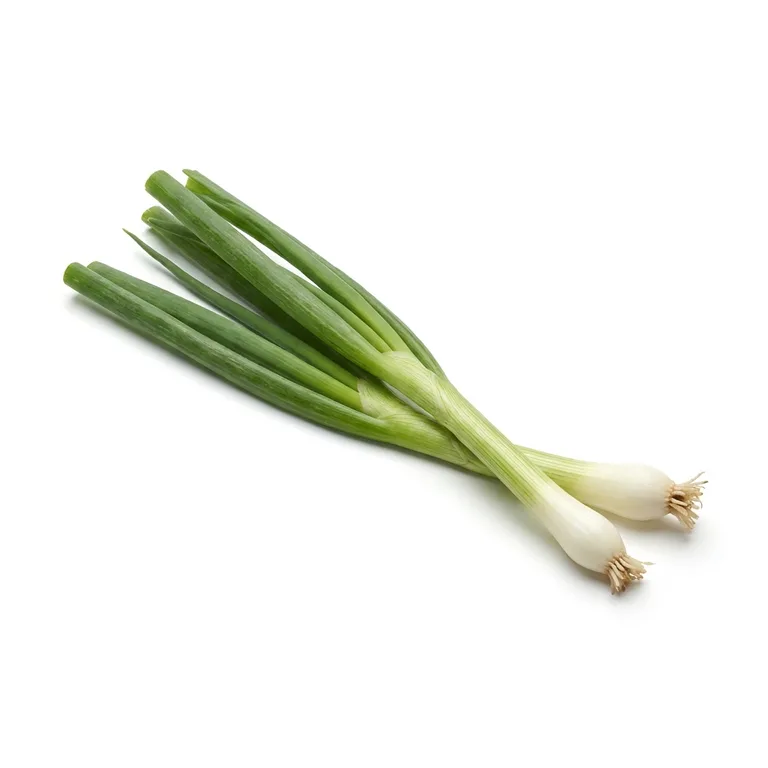
- 3 scallions (green tops only), thinly sliced
 Ingredient note
Interstitial cystitis flags onions because alliums can irritate a sensitive bladder, but this recipe uses only the milder scallion green tops, which is likely fine for most. If you prefer to always avoid scallions, please tap it and change its rating to Red.
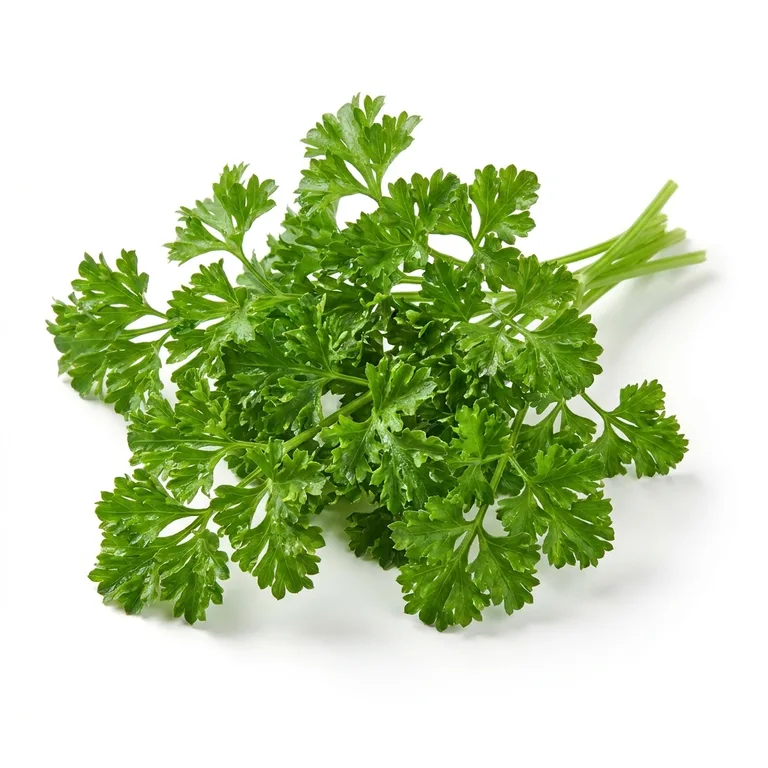
- 2 tbsp fresh parsley, finely chopped
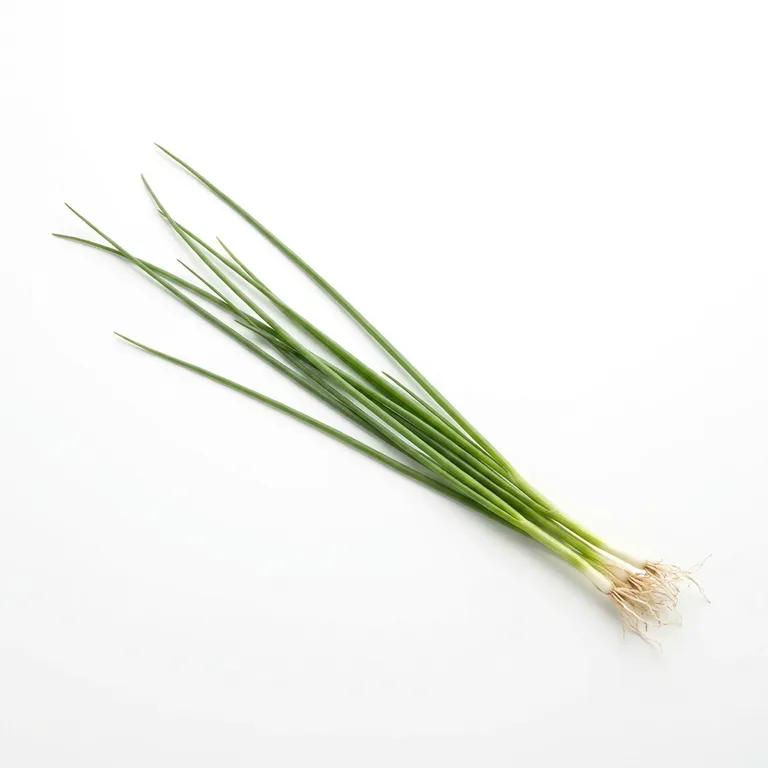
- 1 tbsp fresh chives, finely chopped
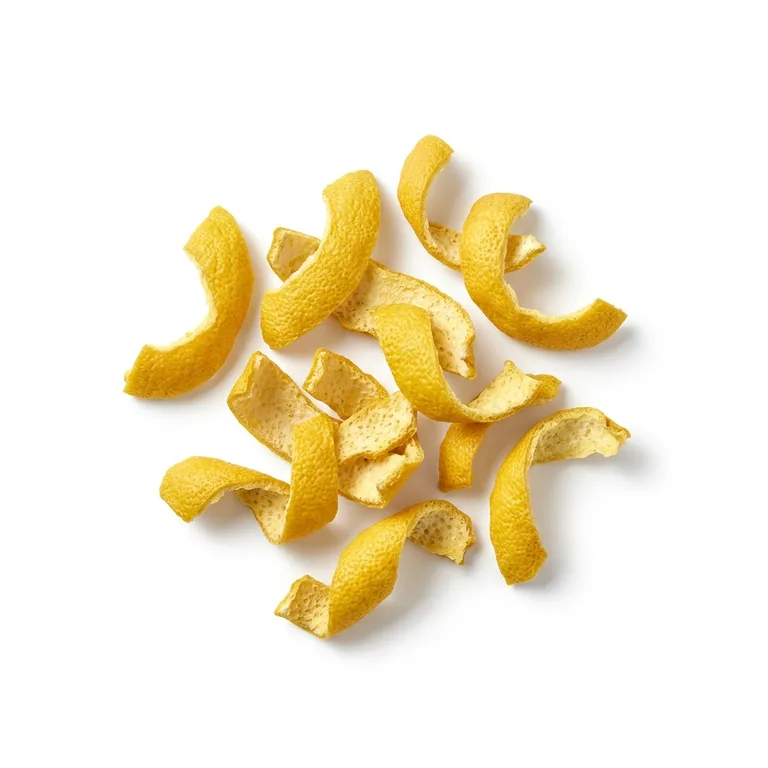
- 1 tsp lemon zest
 Ingredient note
Interstitial cystitis limits citrus because of the acid in the juice, but zest carries very little of it, and this recipe uses only about 1/4 tsp per serving, which is likely fine for many. If you prefer to always avoid lemon peel, please tap it and change its rating to Red.
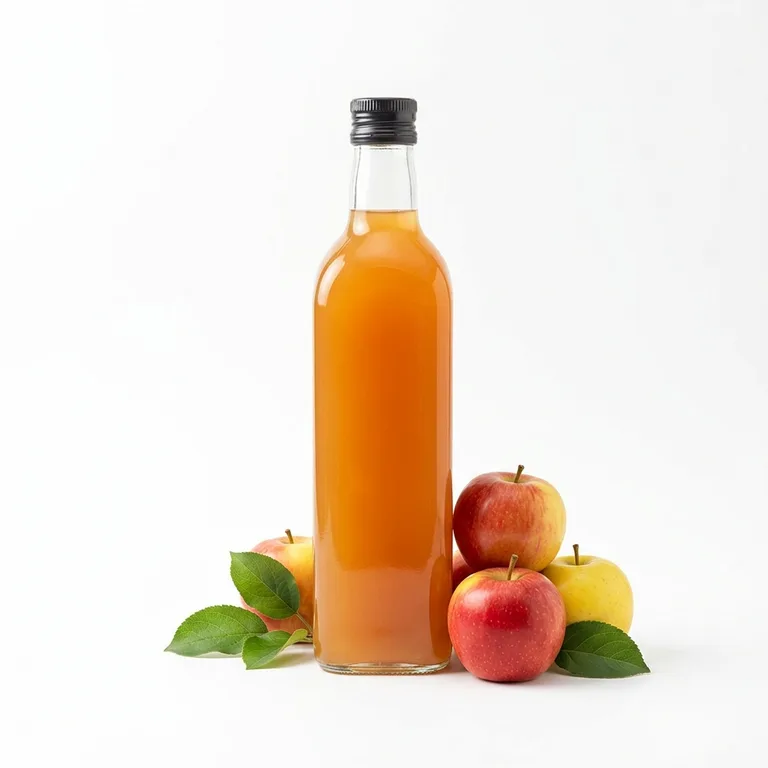
- 1 tsp apple cider vinegar
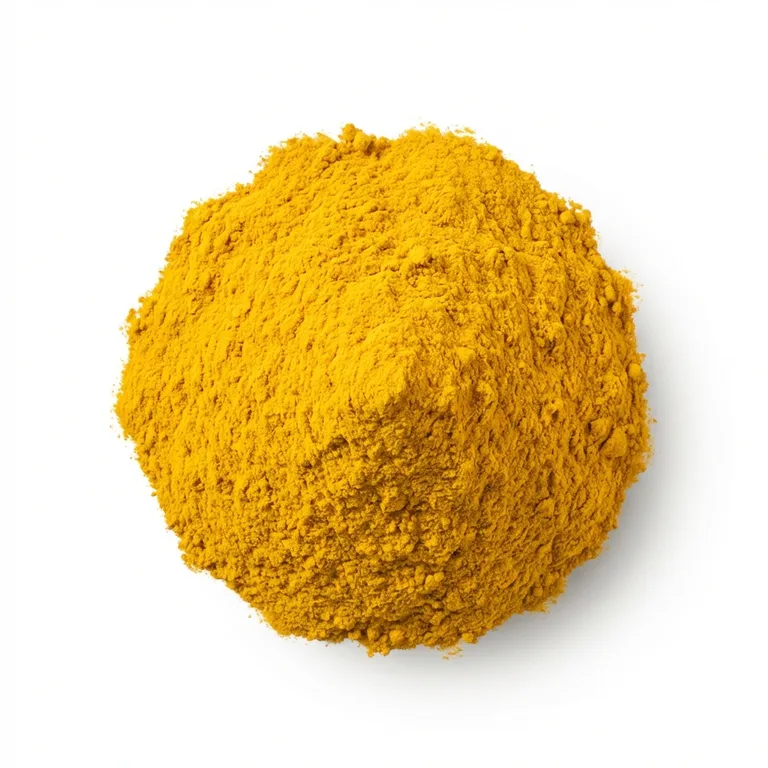
- ½ tsp ground turmeric
 Ingredient note
Turmeric can trigger interstitial cystitis symptoms in some people, but the small amount in this recipe (~1/8 tsp per serving) is likely tolerated by many. If you prefer to always avoid turmeric, please tap it and change its rating to Red.
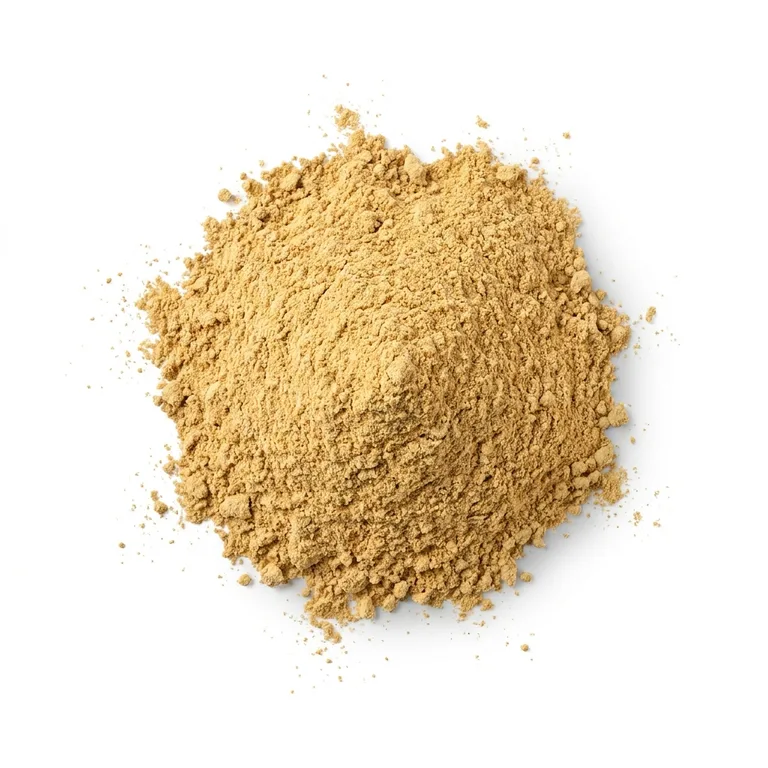
- ¼ tsp ground ginger
 Ingredient note
Ground ginger can trigger interstitial cystitis symptoms in some people, but the small amount in this recipe (~1/16 tsp per serving) is likely tolerated by many. If you prefer to always avoid ground ginger, please tap it and change its rating to Red.
- ¾ tsp fine sea salt
For cooking
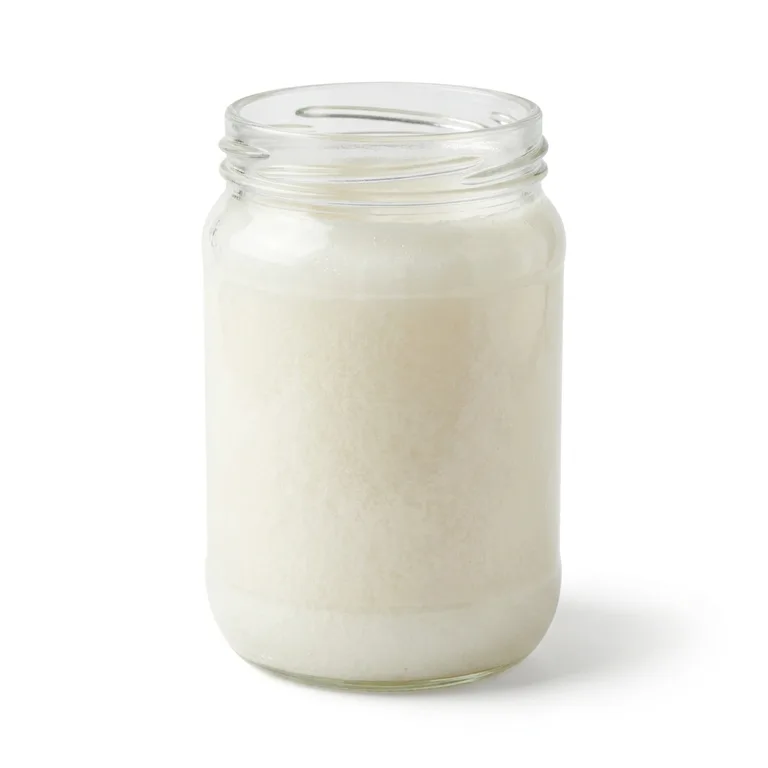
- 2 tbsp coconut oil, divided
For serving
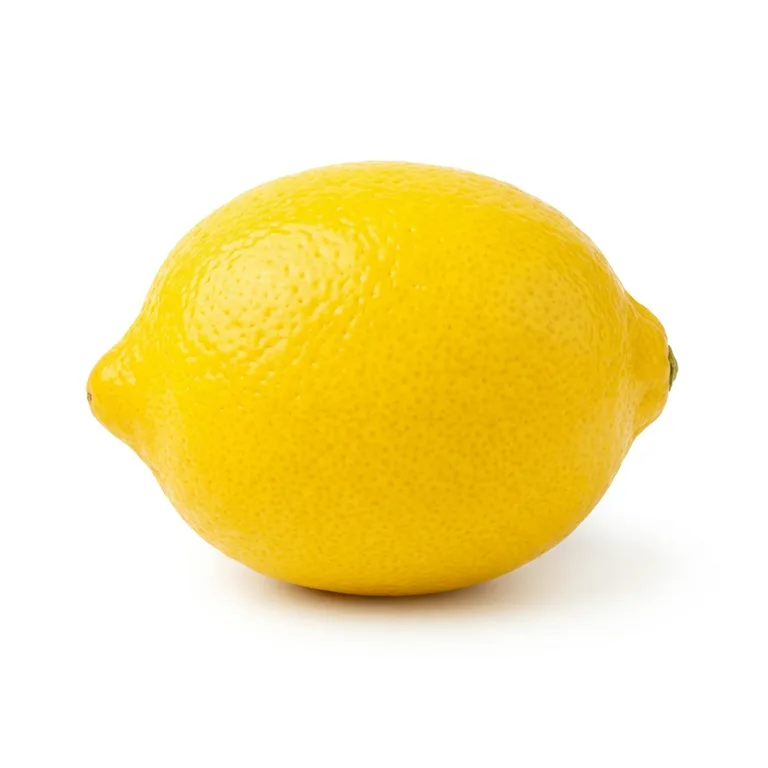
- lemon wedges, for serving (optional)
- fresh parsley sprigs, for serving (optional)
Instructions
- 1
Make the gelatin egg: sprinkle the gelatin over 2 tbsp cold water in a small bowl and let it bloom for 5 minutes, until the mixture is fully absorbed and gel-like. Set aside.
- 2
Poach the fish: place the cod fillets in a large skillet, cover with cold water by about 1 inch, and bring to a gentle simmer over medium heat. Cook for 5–7 minutes, until the fish is opaque throughout and flakes easily when pressed with a fork and reaches an internal temperature of 145°F (63°C). Transfer to a plate and let cool for 5 minutes, then flake into small pieces with a fork, discarding any liquid.
Want the full recipe?
Create a Fig account for step-by-step instructions, access to our full recipe library, and more!