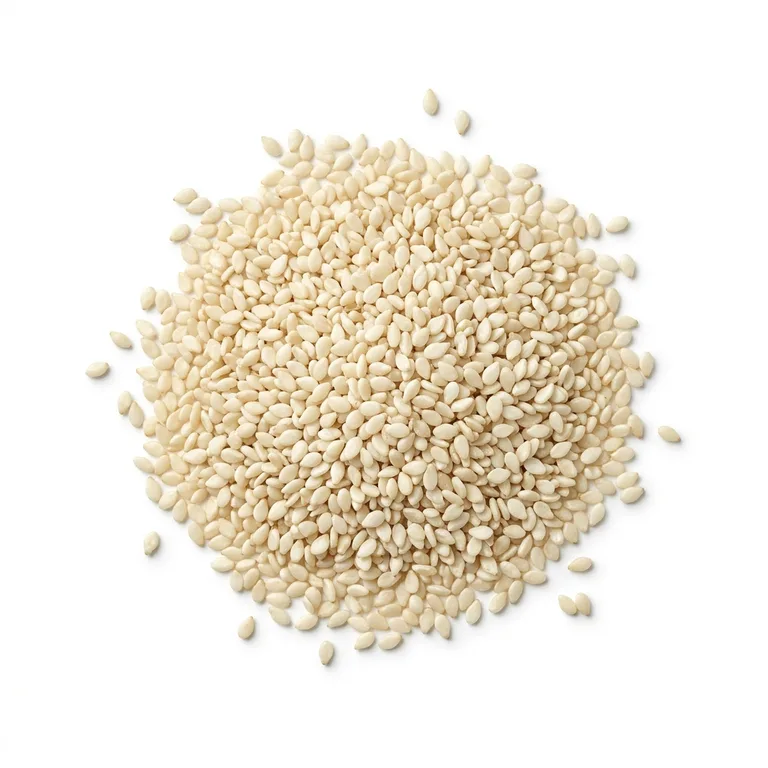
Homemade bagels are one of those kitchen projects that feel ambitious but deliver an almost unfair reward — a chewy, glossy, golden ring that puts any grocery store version to shame. The classic boil-then-bake method is what gives these their signature dense crumb and crackly crust, and barley malt syrup in both the dough and the boiling water adds that subtle, slightly sweet depth you'd expect from a proper bagel shop. For anyone navigating a black pepper sensitivity, store-bought bagels and especially pre-mixed everything seasonings can be a minefield, since pepper sneaks into blends and bakery recipes constantly. Here, you're fully in control — the optional toppings are sesame seeds, poppy seeds, or a seasoning blend of your choosing, so you can keep things completely pepper-free without sacrificing flavor or texture. The dough itself is intentionally stiff, which is exactly what you want; that firmness is what produces the tight, chewy bite that makes a bagel a bagel rather than just a round roll. Brushing with egg white before baking gives each one that beautiful sheen and helps the toppings stick through the high-heat bake. Slice them warm, pile on your favorite toppings, and try not to eat two in a row — though honestly, no promises.
 About Fig
Fig is a food discovery app that helps you find foods and recipes that fit your dietary needs. Whether you have food allergies, intolerances, or follow a specific diet, Fig makes it easy to eat with confidence.
Learn more →8 servings
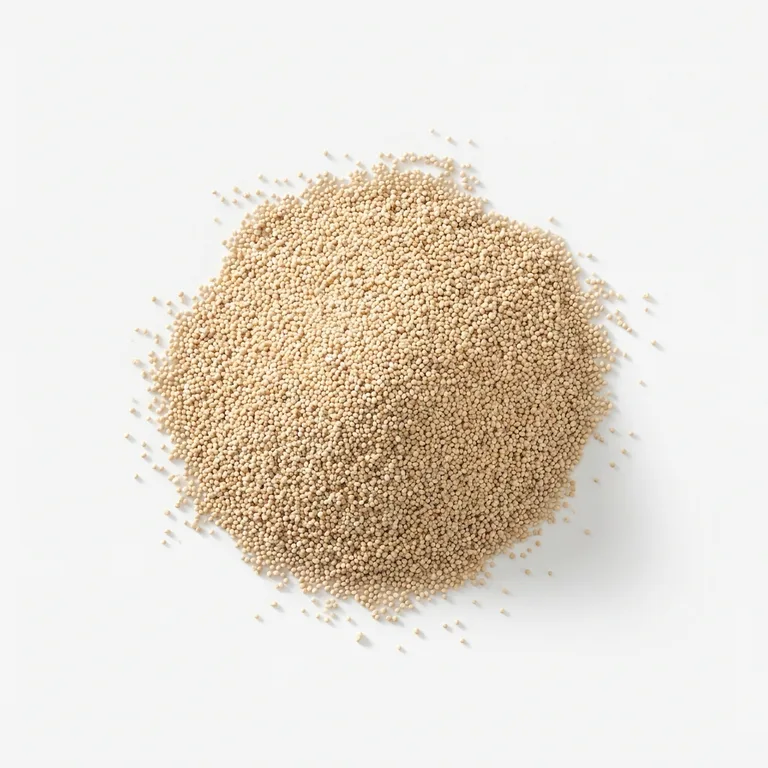
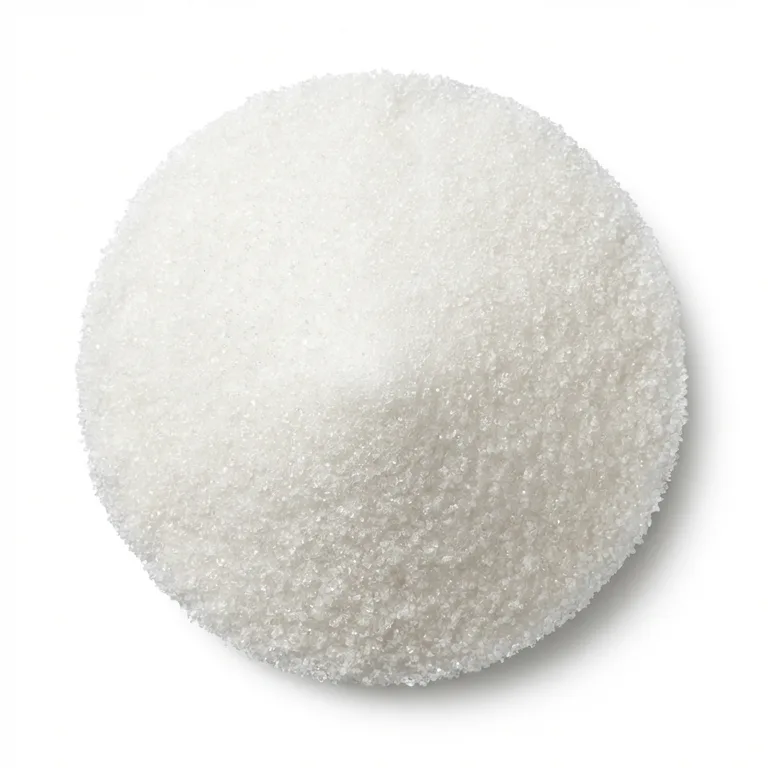

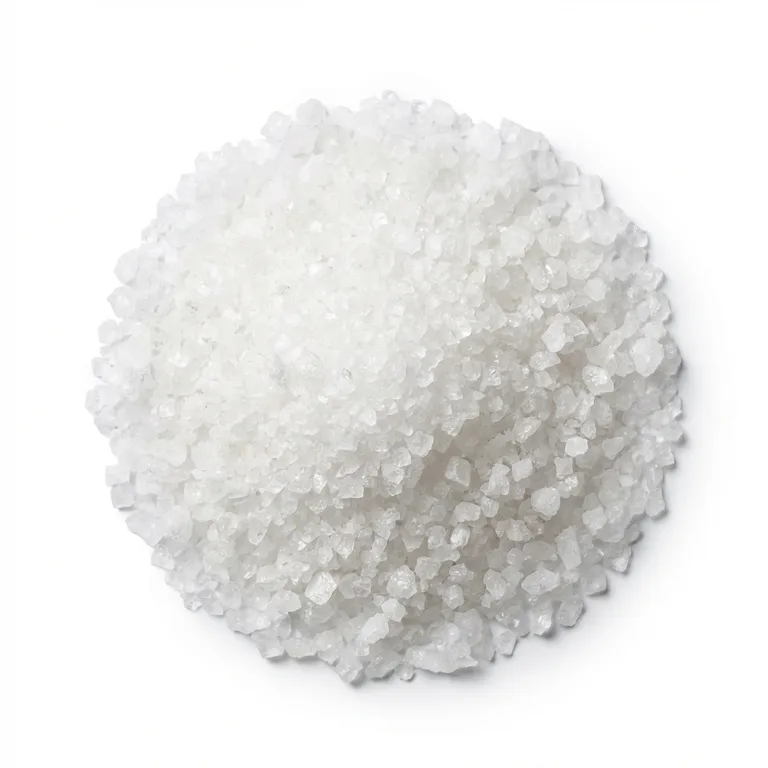
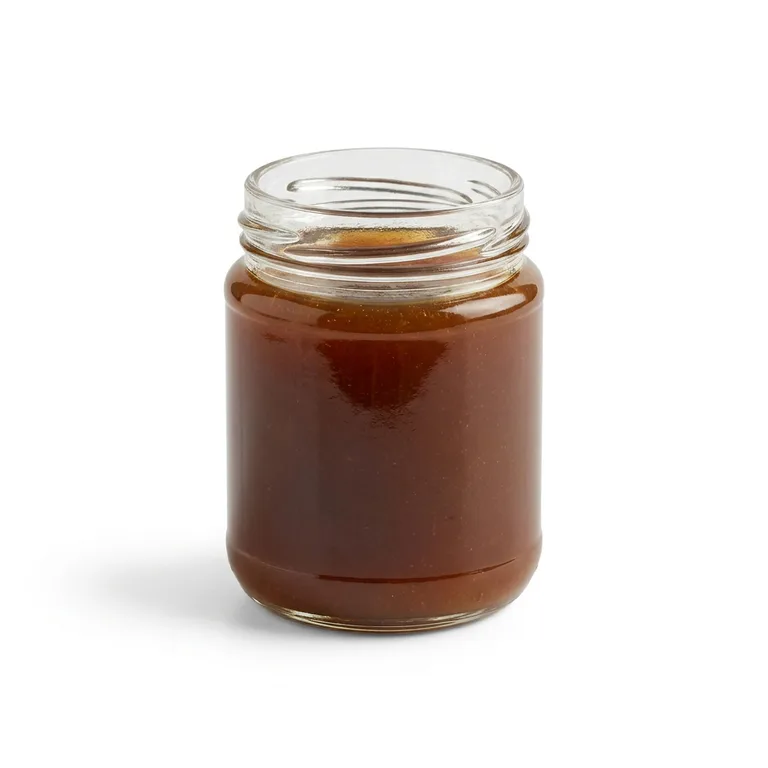

In the bowl of a stand mixer, combine the warm water, sugar, and yeast. Stir briefly and let stand for 5–8 minutes, until the surface is foamy and the mixture smells yeasty.
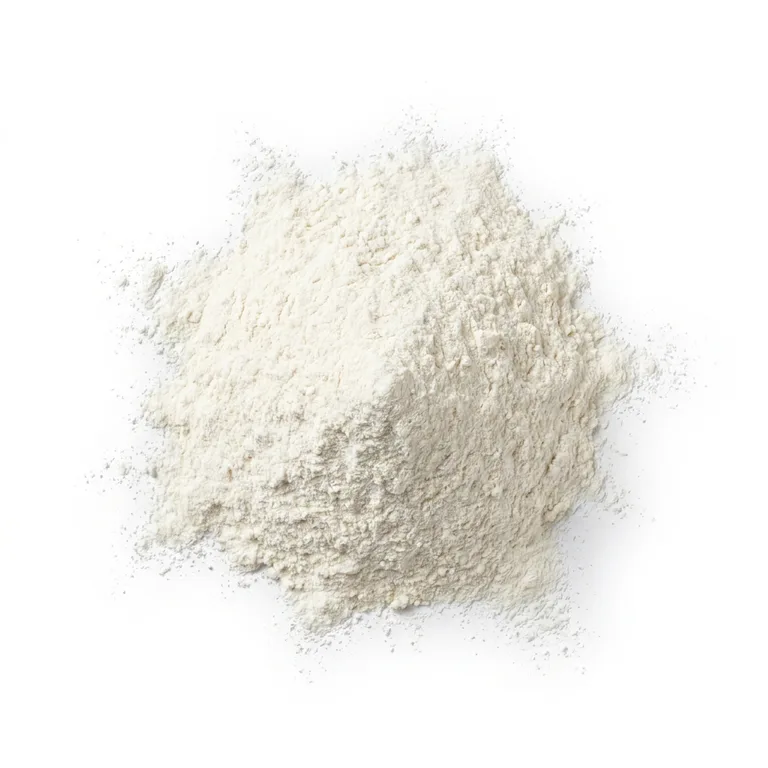
Add the bread flour, salt, and 1 tbsp barley malt syrup to the yeast mixture. Mix on low speed with the dough hook until the flour is incorporated, about 2 minutes, then increase to medium speed and knead for 8–10 minutes, until the dough is smooth, stiff, and pulls cleanly away from the sides of the bowl. The dough should feel firm and only slightly tacky — stiffer than a typical bread dough.
Create a Fig account for step-by-step instructions, access to our full recipe library, and more!


 (16k)
(16k)